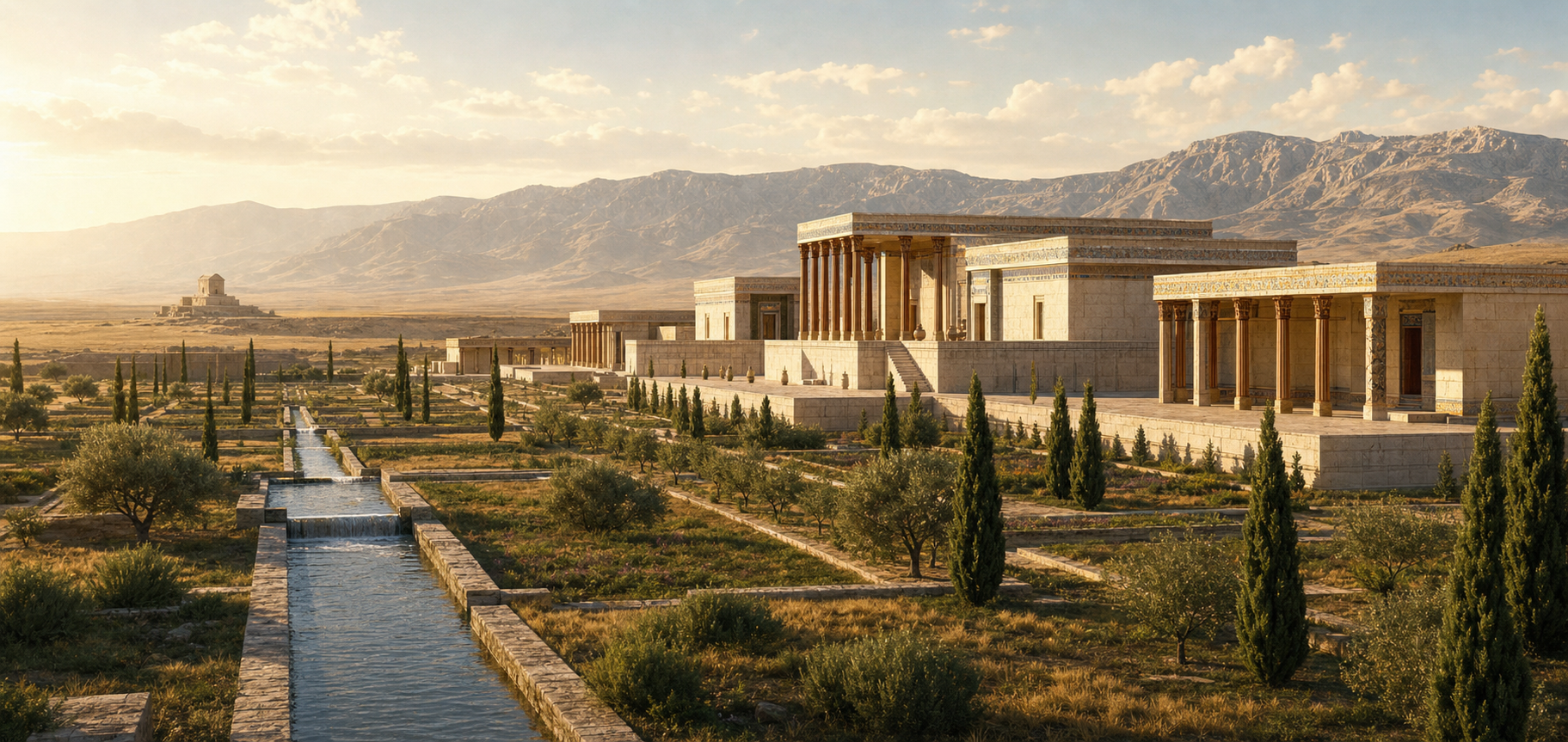
The Last King of the Trojan Royal House
King Priam is one of the most tragic and dignified rulers in ancient Greek mythology. He was the final king of Troy, the husband of Queen Hecuba and the father of many children, including Hector, Paris, Cassandra, Helenus, Deiphobus, Troilus and Polyxena.
Priam ruled during the Trojan War, the legendary ten-year conflict between Troy and an alliance of Greek kingdoms. The war began after his son Paris left Sparta with Helen, the wife of King Menelaus.
Although Paris caused the crisis, Priam and the Trojan royal family refused to return Helen. Troy was therefore placed under siege by a Greek army led by Agamemnon.
Priam was too old to lead his soldiers personally during most of the war. Instead, he watched his sons and subjects fight to defend the city.
His eldest son Hector became Troy’s greatest warrior and carried much of the burden created by Paris’ actions.
Priam’s most famous moment occurs after Hector is killed by Achilles. The elderly king secretly enters the Greek camp, kneels before the man who killed his son and begs for Hector’s body.
This meeting transforms Priam from a distant royal figure into one of the most moving characters in ancient literature.
His story explores kingship, fatherhood, grief, courage, fate and the destruction of a family unable to escape prophecy.
The Royal City of Troy
Troy was imagined as a wealthy and powerful city located in north-western Anatolia near the entrance to the Dardanelles.
Its position allowed it to benefit from trade moving between the Aegean Sea and the Black Sea.
The city was protected by enormous defensive walls said to have been built with divine assistance.
According to mythology, the gods Apollo and Poseidon helped construct the walls during the reign of Priam’s father, Laomedon.
Troy was also known as Ilios or Ilion, which gave Homer’s Iliad its name.
Priam’s kingdom included the city and surrounding territories, as well as alliances with rulers from neighbouring regions.
The wealth and strength of Troy made it capable of resisting the Greek army for approximately ten years.
The House of Dardanus
Priam belonged to an ancient royal dynasty whose ancestry was traced to Dardanus.
Dardanus was described as a son of Zeus and the founder of the people known as the Dardanians.
His descendants included Erichthonius, Tros, Ilus, Laomedon and Priam.
Tros gave his name to the Trojans and the wider region known as the Troad.
Ilus was associated with the foundation of Ilios.
The dynasty’s divine ancestry gave the Trojan kings prestige and a sacred connection with the land they ruled.
Priam therefore inherited more than a throne. He inherited responsibility for an ancient royal tradition and a city believed to enjoy divine protection.
Laomedon
Priam’s father was King Laomedon.
Laomedon became known for dishonesty and his refusal to honour agreements.
According to one myth, Apollo and Poseidon built the walls of Troy after being required to serve a mortal ruler.
Laomedon promised to reward them but refused to pay when the work was finished.
Poseidon responded by sending a sea monster to attack Troy, while Apollo brought disease or destruction upon the land.
An oracle declared that the monster could be satisfied only if Laomedon sacrificed his daughter Hesione.
Hesione was chained beside the sea and left for the creature.
Heracles Comes to Troy
The hero Heracles arrived at Troy and offered to rescue Hesione.
Laomedon promised him a group of extraordinary horses originally given by Zeus.
Heracles killed the sea monster and saved the princess.
Laomedon again refused to provide the promised reward.
Heracles later returned with an army and attacked Troy.
The city was captured, and Laomedon and most of his sons were killed.
Only one son survived because Hesione paid a symbolic ransom for him.
That son was Podarces, who later became known as Priam.
The Meaning of Priam’s Name
Ancient tradition connected the name Priam with the idea of being purchased or redeemed.
Hesione saved her brother by offering a veil or other object as payment.
Podarces then took the name Priam to mark the fact that his life had been bought.
The story creates an important pattern within his mythology.
Priam begins his royal life as a person rescued through ransom.
Many years later, he enters the Greek camp carrying treasure to ransom the body of Hector.
His life therefore begins and reaches its emotional climax through acts of payment, rescue and family devotion.
Priam Becomes King
After the destruction caused by Heracles, Priam eventually became king of Troy.
He rebuilt the royal house and restored the city’s strength.
Under his rule, Troy became wealthy, influential and well defended.
Priam formed alliances with rulers throughout Anatolia and the surrounding regions.
These allies later sent warriors to help defend the city against the Greeks.
Priam’s long reign appears to have been prosperous before the arrival of Helen.
He raised a large family and established Troy as one of the leading kingdoms of the heroic age.
Queen Hecuba
Priam’s principal wife was Queen Hecuba.
Ancient sources disagree about her exact ancestry, but she was often described as the daughter of a ruler from Phrygia or Thrace.
Hecuba became the mother of many of Priam’s most famous children.
She shared the king’s suffering during the Trojan War and witnessed the deaths of several sons.
Her story eventually became one of captivity, grief and revenge.
Priam and Hecuba represent a royal couple whose enormous family and powerful kingdom are gradually destroyed by war.
The Children of Priam
Priam was famous for having a very large number of children.
Ancient sources sometimes claim that he had fifty sons and fifty daughters, although the exact number varies.
Some children were born to Hecuba, while others had different mothers within the royal household.
Hector was the greatest Trojan warrior and heir to the throne.
Paris became the cause of the war through his relationship with Helen.
Cassandra possessed prophetic knowledge but was cursed so that no one believed her.
Helenus was also a prophet.
Deiphobus became an important defender of Troy and later married Helen after Paris’ death.
Troilus and Polyxena became central figures in later tragic traditions.
Hector
Hector was Priam’s eldest and most respected son.
He was married to Andromache and had a young son named Astyanax.
Hector represented duty, courage and loyalty to Troy.
Unlike Paris, he did not cause the war, but he accepted responsibility for defending the city.
He led the Trojan army, encouraged frightened soldiers and repeatedly confronted the greatest Greek warriors.
Priam depended upon Hector not only as a son but also as the military foundation of the kingdom.
When Hector died, Priam lost both his beloved child and Troy’s strongest protection.
Paris
Paris was one of Priam and Hecuba’s younger sons.
Before his birth, Hecuba dreamed that she gave birth to a burning object that destroyed Troy.
Prophets warned that the child would cause the city’s ruin.
Priam and Hecuba therefore ordered the infant to be abandoned upon Mount Ida.
Paris survived and was raised by shepherds.
He later returned to Troy and was recognised as a royal prince.
Despite the prophecy, Priam accepted him back into the family.
The king’s love for his lost son helped place the city upon the path towards destruction.
The Judgement of Paris
Paris was chosen to judge a contest between Hera, Athena and Aphrodite.
Each goddess offered him a reward in exchange for being selected as the most beautiful.
Hera offered political power.
Athena offered wisdom and military victory.
Aphrodite offered the love of Helen, the most beautiful woman in the world.
Paris chose Aphrodite.
Helen was already married to Menelaus, king of Sparta.
Paris’ decision made Hera and Athena enemies of Troy and led him towards the relationship that would begin the war.
Cassandra
Cassandra was one of Priam’s most tragic daughters.
The god Apollo gave her the power to see the future.
When she rejected him, he cursed her so that no one would believe her prophecies.
Cassandra warned the Trojans about Paris and the danger associated with Helen.
She later warned them not to bring the wooden horse inside the city.
Priam and the Trojan people repeatedly failed to act upon her words.
The king had a prophet within his own household but could not benefit from her knowledge.
Cassandra represents truth without authority, while Priam represents authority unable to recognise truth in time.
Helenus
Helenus was another child of Priam who possessed prophetic abilities.
He fought as a Trojan warrior and understood many of the divine conditions surrounding the war.
Later traditions describe him being captured or leaving Troy after a dispute.
He revealed information that helped the Greeks understand how the city could be defeated.
The presence of both Cassandra and Helenus within the royal family shows how closely Priam’s household was connected with prophecy.
Yet knowledge of fate did not give the family the power to escape it.
Troilus
Troilus was a young son of Priam associated with beauty and promise.
Some traditions claimed that Troy could not be captured if Troilus reached adulthood.
Achilles ambushed and killed him while he was still young.
Later medieval literature transformed Troilus into a romantic hero, especially through his relationship with Cressida.
Within the ancient tradition, his death was another sign that Troy’s future was being destroyed before the city itself fell.
Polyxena
Polyxena was one of Priam’s daughters.
Later traditions connected her with Achilles.
Some stories claimed that Achilles fell in love with her and was killed after being drawn into a meeting connected with marriage negotiations.
After the fall of Troy, Polyxena was sacrificed at Achilles’ tomb.
Her death added another layer of suffering to the destroyed royal family.
Priam did not live to witness every version of her fate, but her story reflects the destruction awaiting his children after the city fell.
Hecuba’s Dream and Priam’s Decision
The prophecy concerning Paris created one of the most important moral questions in Priam’s story.
As king, he had a duty to protect Troy.
As a father, he felt love for his child.
He initially allowed Paris to be abandoned because he feared the prophecy.
When Paris returned alive, Priam welcomed him.
The king could not reject the son he believed had been lost.
This decision was compassionate as a father but dangerous as a ruler.
Greek tragedy frequently places characters in situations where family love and public responsibility cannot be easily reconciled.
Paris Travels to Sparta
After returning to the royal family, Paris travelled to Greece.
He entered the palace of Menelaus as a guest.
Menelaus welcomed him according to the sacred customs of hospitality.
While the Spartan king was away, Paris left with Helen and royal treasure.
Whether Helen went willingly or was abducted differs between ancient versions.
Paris returned to Troy with her despite the prophecy, the danger and the violation of hospitality.
Priam then faced another decision that would determine the fate of his kingdom.
Helen Enters Troy
Helen entered Troy as the companion of Paris and a new member of the royal household.
Priam treated her with notable kindness.
He did not openly condemn her for the war.
In Homer’s Iliad, Priam tells Helen that he does not blame her completely and believes the gods are responsible for the conflict.
His compassion offers Helen protection within a city where many people may have resented her presence.
However, kindness towards Helen did not solve the political crisis.
By allowing her to remain, Priam accepted the risk of war with Greece.
The Demand for Helen’s Return
Menelaus appealed to his brother Agamemnon and the former suitors of Helen.
The Greek rulers gathered an enormous fleet and prepared to sail against Troy.
Before the fighting became permanent, Menelaus and Odysseus travelled to Troy as ambassadors.
They demanded the return of Helen and the treasure taken from Sparta.
The Trojan elder Antenor supported the demand and treated the Greek ambassadors honourably.
Paris and his allies refused.
Priam did not force his son to surrender Helen.
The failure of diplomacy turned a family crisis into a war involving entire kingdoms.
Why Priam Refused
Ancient sources do not provide one simple explanation for Priam’s refusal to return Helen.
He may have been protecting his son and defending the honour of the royal family.
Returning Helen under threat might have appeared as submission to foreign power.
The Trojans may also have believed that their walls, allies and divine protection would defeat the Greeks.
Priam may have hoped that the conflict could be settled without sacrificing Paris.
Whatever his motives, the decision made him politically responsible for continuing the crisis.
Paris began the offence, but Priam’s royal authority allowed it to become the policy of Troy.
The Greek Landing
The Greek fleet eventually reached the coast near Troy.
Agamemnon led a coalition containing many of the greatest warriors of Greece.
Achilles, Ajax, Odysseus, Diomedes, Menelaus and other heroes established a camp beside the sea.
The Trojans and their allies defended the city and surrounding territory.
The war lasted approximately ten years.
Priam watched the conflict from within Troy while his sons fought outside the walls.
The elderly king experienced war mainly through reports, funerals and the gradual loss of his family.
Priam as an Elderly King
Priam was already an old man during the Trojan War.
He could no longer fight as Hector and the younger princes did.
His age gave him dignity and experience but limited his physical role.
He presided over councils, received ambassadors and represented the continuity of the city.
His position was painful because he possessed authority but could not personally shield his sons from death.
Priam’s age also creates a contrast with the young warriors whose desire for honour drives the conflict.
He understands loss in a way that men seeking glory often do not.
Priam and the Trojan Elders
In the Iliad, Priam sits with elderly Trojan leaders near the Scaean Gates.
These men are no longer able to fight but remain respected for their judgement and speech.
They watch the Greek and Trojan armies from the walls.
When Helen approaches, they are struck by her beauty.
They understand why men might fight over such a woman, yet they also wish that she would leave before bringing further suffering.
The scene presents Priam among men who recognise both the power of beauty and the terrible cost attached to it.
Helen on the Walls
Priam invites Helen to sit beside him and identify the Greek leaders.
She names Agamemnon, Odysseus, Ajax and others.
Priam listens with interest rather than hostility.
He treats Helen as a daughter within the royal family.
He tells her that he does not blame her and places responsibility upon the gods.
The exchange reveals Priam’s gentleness and ability to show compassion even during war.
It also shows his distance from the battlefield. He knows the enemy commanders through Helen’s descriptions rather than personal combat.
The Duel Between Paris and Menelaus
Paris agreed to fight Menelaus in single combat.
The duel offered a possible end to the war.
If Paris won, he would keep Helen. If Menelaus won, Helen and her property would be returned.
Priam travelled onto the battlefield to confirm the oaths and sacrifices supporting the agreement.
However, he did not remain to watch the duel.
He returned to Troy because he could not bear to see whether his son would live or die.
This moment reveals the conflict between Priam the king and Priam the father.
As king, he participates in the treaty. As father, he cannot watch the consequences.
The Duel Fails to End the War
Menelaus defeated Paris in the duel.
He seized Paris by the helmet and began dragging him towards the Greek lines.
Aphrodite intervened, broke the helmet strap and carried Paris back into Troy.
The Greeks demanded that the agreement be honoured.
Before Helen could be returned, Athena encouraged the Trojan archer Pandarus to shoot Menelaus.
The truce collapsed, and fighting resumed.
Priam’s opportunity to end the war disappeared through divine interference and human action.
Priam and Hector
Hector was the son upon whom Priam relied most heavily.
He commanded the Trojan army, defended the walls and inspired the city.
Priam admired Hector’s courage and understood his importance.
Yet he could not prevent him from repeatedly entering danger.
Hector fought because he believed that honour and duty required him to defend Troy.
Priam benefited from his courage while also fearing the death such courage might bring.
The Trojan Advance
During the period when Achilles refused to fight, Hector led the Trojans towards the Greek ships.
The Trojans crossed the Greek defensive wall and nearly burned the fleet.
For a time, it appeared that Troy might win the war.
Priam’s kingdom seemed close to survival, and Hector’s reputation reached its height.
However, the advance also brought Hector into direct conflict with Patroclus, the closest companion of Achilles.
The Death of Patroclus
Patroclus entered battle wearing the armour of Achilles.
The Trojans initially believed that Achilles had returned.
Patroclus drove them away from the ships and pursued them towards Troy.
Hector eventually killed him with the assistance of Apollo and another Trojan warrior.
Hector took the armour of Achilles from the body.
The death of Patroclus caused Achilles to return to battle.
What appeared to be a great Trojan victory therefore prepared the destruction of Priam’s greatest son.
Achilles Returns
Achilles ended his quarrel with Agamemnon after learning of Patroclus’ death.
He received new armour made by Hephaestus and returned to the battlefield.
His anger was directed entirely against Hector and the Trojans.
Achilles killed large numbers of defenders and drove the surviving army back towards the city.
Priam watched from the walls as the danger approached.
Priam Warns Hector
Hector remained outside the Scaean Gates while the other Trojans entered the city.
Priam saw Achilles approaching and begged his son to come inside.
He reminded Hector that Achilles had already killed many of his children.
Priam described the terrible future awaiting an old king if Troy fell.
His sons would be killed, his daughters taken captive and his household destroyed.
He feared that enemy dogs might feed upon his body.
Priam exposed his grey hair and appealed to Hector’s love for his parents.
Hector heard the plea but remained outside.
Hecuba’s Plea
Hecuba also begged Hector to return within the walls.
She reminded him that she had nursed and raised him.
She feared that Achilles would kill him far from the safety of his family.
Hector remained because he felt ashamed to face the Trojans after leading them into danger.
He also considered attempting to negotiate with Achilles.
In the end, heroic honour prevented him from accepting the safety offered by his parents.
The Death of Hector
Hector initially ran from Achilles around the walls of Troy.
Athena eventually deceived him by appearing in the form of his brother Deiphobus.
Believing that he had support, Hector stopped and fought.
Achilles killed him with a spear thrust to the neck.
Before dying, Hector asked that his body be returned to Priam and Hecuba.
Achilles refused.
He tied Hector’s body behind his chariot and dragged it towards the Greek camp.
Priam and Hecuba watched from the walls as their son’s body was dishonoured.
Priam’s Grief
The death of Hector brought overwhelming grief to Troy.
Priam wished to rush from the city and beg Achilles for the body.
The people restrained him because approaching the Greek army appeared suicidal.
The king had lost many children during the war, but Hector’s death was especially devastating.
Hector had been the strongest defender of Troy, the heir to the throne and the son most closely associated with duty.
Without him, Priam understood that the city’s destruction was approaching.
Achilles and Hector’s Body
Achilles continued dishonouring Hector’s corpse.
He dragged it around the tomb of Patroclus and refused to accept ransom.
The gods protected the body from decay and severe damage.
Apollo condemned Achilles’ cruelty and defended the dignity of the dead warrior.
Eventually, Zeus ordered that Hector’s body should be returned.
The gods prepared both Achilles and Priam for the meeting that would follow.
Iris Visits Priam
Zeus sent the messenger goddess Iris to Priam.
She told him to gather treasure and travel to the Greek camp.
Priam was instructed to ransom Hector’s body from Achilles.
He was warned not to take a large group of Trojan warriors.
An elderly herald would accompany him, while Hermes would provide divine protection.
The command required Priam to enter the camp of the enemy who had killed many of his sons.
Hecuba Opposes the Journey
Hecuba feared that Achilles would kill Priam.
She urged her husband not to trust the man who had killed Hector and dishonoured his body.
Priam insisted that he must go.
His need to recover Hector overcame fear for his own life.
Before departing, he performed religious rites and asked Zeus for a favourable sign.
An eagle appeared, confirming that the journey had divine approval.
The Ransom
Priam selected valuable objects from the Trojan treasury.
These included clothing, gold, bronze and other precious items.
The treasure represented the wealth of his royal house.
Priam was willing to surrender it to recover the body of his son.
The act reverses the usual meaning of royal wealth.
Treasure cannot restore Hector’s life, protect Troy or purchase victory.
It can only secure the right to mourn and bury the dead.
Hermes Guides Priam
Hermes met Priam during the journey and disguised himself as a young Greek warrior.
He reassured the frightened king and guided the wagon through the Greek camp.
Hermes used divine power to place the guards into sleep and open the entrance to Achilles’ shelter.
Priam arrived without being recognised by the Greek soldiers.
The gods had brought the Trojan king into the most dangerous place in the world for him.
Priam Before Achilles
Priam entered the shelter of Achilles and approached him without warning.
He knelt before the Greek warrior and kissed the hands that had killed Hector and many of his other sons.
The act astonished everyone present.
Priam then asked Achilles to remember his own father, Peleus.
Peleus was also an elderly king separated from his warrior son.
Unlike Peleus, however, Priam had watched his greatest son die and had seen his body dragged through the dust.
He begged Achilles to show mercy and accept the ransom.
Remember Your Father
Priam’s appeal does not begin with political argument or accusation.
He speaks to Achilles as one son and father might understand another.
He reminds Achilles that Peleus waits at home and hopes for his return.
Priam explains that he once had many sons, but most have been killed.
Hector was the greatest among them and had defended Troy.
By invoking Peleus, Priam forces Achilles to see beyond the division between Greek and Trojan.
Both men belong to families threatened by war and death.
The Kiss on the Killer’s Hands
Priam’s decision to kiss Achilles’ hands is one of the most shocking images in the Iliad.
Those hands killed Hector and dragged his body behind a chariot.
Priam suppresses anger and pride because recovering his son matters more than royal dignity.
The gesture represents a courage different from battlefield heroism.
Priam has no armour, army or physical strength capable of defeating Achilles.
His power lies in humility, grief and the ability to appeal to shared humanity.
Achilles Weeps
Achilles is moved by Priam’s words.
He thinks of Peleus and Patroclus.
Priam weeps for Hector, while Achilles weeps for his father and lost companion.
The enemies cry together within the same shelter.
For a brief period, the war stops defining them.
They become two human beings united by grief.
The scene offers one of the strongest expressions of compassion in ancient literature.
The Two Jars of Zeus
Achilles speaks to Priam about the suffering of human life.
He describes two jars standing in the house of Zeus.
One contains blessings, while the other contains misfortunes.
Some people receive a mixture of both.
Others receive mainly suffering.
Achilles uses the image to explain that no mortal life is free from sorrow.
Priam once possessed wealth, power and many children, but war has brought him terrible loss.
Peleus also received honour and a divine wife, yet he has only one son destined to die far from home.
Achilles Accepts the Ransom
Achilles agrees to return Hector’s body.
He orders attendants to wash and prepare the corpse away from Priam’s sight.
He fears that seeing Hector’s wounds might cause Priam to react in anger and provoke violence.
The body is placed upon the wagon.
Achilles also offers Priam food and rest.
For the first time since Patroclus died, Achilles temporarily steps away from destructive rage.
Priam’s grief helps restore his capacity for mercy.
Priam and Achilles Share a Meal
Priam and Achilles eat within the same shelter.
The shared meal re-establishes a form of human and social order.
Hospitality briefly replaces warfare.
Priam admires Achilles’ strength and appearance.
Achilles admires Priam’s noble bearing and courage.
Each recognises greatness in the other.
The meeting does not end the war or create permanent peace.
It creates a temporary space in which enemies can treat one another with dignity.
The Funeral Truce
Priam asks Achilles how much time Troy will receive to mourn Hector.
Achilles grants a truce long enough for the Trojans to gather wood, prepare the body and perform the funeral.
He promises to restrain the Greek army during this period.
The agreement demonstrates that even within war, sacred obligations towards the dead can create limits upon violence.
Priam succeeds in recovering not only Hector’s body but also the time needed to honour him properly.
Priam Returns to Troy
Priam leaves the Greek camp during the night.
Hermes again guides him safely past the guards.
As the wagon approaches Troy, Cassandra sees it first and announces that Hector has returned.
The people rush from the city to meet the body.
Priam has completed a journey many believed impossible.
He returns without military victory but with something essential to the dignity of his family and city.
The Funeral of Hector
Hector’s body is brought into Troy and mourned by Andromache, Hecuba and Helen.
Andromache mourns the loss of her husband and fears the future of their son.
Hecuba mourns the son most beloved by the gods.
Helen remembers Hector’s kindness towards her during her years in Troy.
The Trojans prepare a great funeral pyre.
After burning the body, they gather the bones, place them within a container and bury them beneath a mound.
The Iliad ends with the funeral of Hector rather than the fall of Troy.
Priam’s successful appeal creates the final act of dignity within the poem.
Priam’s Greatest Act of Courage
Priam does not achieve his greatest act through warfare.
He achieves it by entering the enemy camp alone and making himself vulnerable.
He risks humiliation and death to fulfil his duty as a father.
His courage differs from the heroic courage of Achilles and Hector.
Warriors prove themselves by confronting armed enemies.
Priam proves himself by confronting grief, suppressing hatred and appealing to the humanity of his son’s killer.
This moral courage gives him a unique place among the heroes of the Trojan War.
Priam as a Father
Fatherhood is central to Priam’s character.
His many children give him joy, political strength and eventually overwhelming grief.
He protects Paris even though prophecy connects him with Troy’s destruction.
He depends upon Hector and mourns him more deeply than any other son.
He risks his life to recover Hector’s body.
Priam’s love for his children is both admirable and politically dangerous.
His refusal to sacrifice Paris for the city contributes to the war.
His devotion to Hector produces one of the noblest actions in Greek literature.
Priam as a King
Priam is a respected ruler, but his kingship contains serious weaknesses.
He presides over a wealthy city and maintains alliances capable of resisting Greece for ten years.
He is compassionate towards Helen and respected by the Trojan elders.
However, he fails to control Paris or resolve the crisis before war begins.
He listens to warnings without always acting upon them.
His age and family loyalties limit his ability to make harsh political decisions.
Priam’s tragedy lies partly in the conflict between being a good father and being an effective ruler.
Priam and Helen
Priam treats Helen with unusual kindness.
He calls her his child and invites her to sit beside him.
He refuses to place all blame for the war upon her.
This compassion protects Helen from complete isolation within Troy.
Yet Priam’s kindness also contributes to the city’s refusal to return her.
The relationship reveals how mercy can become politically complicated.
A humane response towards one person may expose an entire community to danger when it ignores the wider consequences.
Priam and Paris
Priam’s relationship with Paris is defined by love, disappointment and fate.
He first abandons the child because of prophecy.
He later accepts him back into the palace.
When Paris brings Helen to Troy, Priam does not force him to reverse the action.
The king may recognise his son’s weakness but remains unable to reject him.
Paris survives many years of war while stronger and more responsible sons die defending the city.
The imbalance increases the tragic quality of Priam’s household.
Priam and Hector Compared
Priam and Hector represent two generations of Trojan leadership.
Priam rules through age, ancestry and royal authority.
Hector leads through physical courage and military responsibility.
Priam wishes to preserve his family, while Hector believes he must risk his life to preserve the city’s honour.
The father begs the son to come inside the walls.
The son remains outside because he cannot accept the shame of retreat.
Their final separation shows how heroic values can conflict with family love.
Priam and Achilles Compared
Priam and Achilles appear completely different when the Iliad begins.
Priam is an elderly king surrounded by a large family.
Achilles is a young warrior destined to die without establishing a lasting household.
Priam represents age, fatherhood and the city under siege.
Achilles represents youth, rage and overwhelming military power.
During their meeting, however, their differences become sources of understanding.
Priam thinks of Hector, while Achilles thinks of Peleus and Patroclus.
Both men recognise that death will destroy the people they love.
Priam and Peleus
Peleus, father of Achilles, never appears directly in the Iliad, but his presence shapes the meeting between Priam and Achilles.
Priam asks Achilles to imagine his elderly father waiting at home.
Peleus may still hear news that Achilles lives and fights.
Priam has no such hope for Hector.
The comparison transforms the Trojan king into a possible image of Achilles’ own father.
By showing mercy to Priam, Achilles symbolically honours Peleus.
Priam and Laomedon
Priam’s character contrasts with that of his father Laomedon.
Laomedon repeatedly breaks promises and refuses to pay those who help Troy.
His dishonesty brings divine punishment and attack by Heracles.
Priam is generally presented as more honourable and compassionate.
He understands the value of ransom because his own life was once redeemed.
Yet he inherits the consequences of the older royal house.
The destruction of Troy during his reign follows an earlier destruction caused by Laomedon’s broken agreements.
The Fall of Troy
After Hector’s death, Troy’s destruction became increasingly difficult to prevent.
Other defenders continued fighting, including Paris, Deiphobus, Aeneas and foreign allies.
Paris killed Achilles with the assistance of Apollo but later died from an arrow fired by Philoctetes.
The Greeks learned that the city could not be taken through ordinary assault alone.
Odysseus devised or helped devise the plan of the Trojan Horse.
A group of warriors hid within the wooden structure while the rest of the army sailed out of sight.
The Wooden Horse
The Trojans discovered the horse outside their walls.
A Greek named Sinon remained behind and convinced them that the object was a sacred offering.
Cassandra warned that the horse contained danger.
The priest Laocoön also opposed bringing it into Troy.
He threw a spear into its side and declared that Greeks should not be trusted even when bearing gifts.
Sea serpents then killed Laocoön and his sons.
The Trojans interpreted the event as divine punishment for attacking the horse.
Priam and the people allowed the structure to be brought into the city.
Priam’s Final Failure of Judgement
The decision to admit the horse repeated the pattern surrounding Paris and Helen.
Warnings were given but ignored.
The city again chose hope, pride and religious interpretation over caution.
Priam’s exact role differs between sources, but as king he could not escape responsibility for the final decision.
The ruler who once ignored the prophecy attached to his son now failed to prevent the object of destruction from entering Troy.
The Greeks Enter the City
During the night, the warriors hidden inside the horse emerged and opened the gates.
The Greek army returned from its hiding place and entered Troy.
The city was attacked while many inhabitants slept or celebrated the apparent end of the war.
Buildings were burned, soldiers were killed and the royal household collapsed.
Priam had survived ten years of siege only to face destruction within his own palace.
Priam Takes Up Arms
Although Priam was elderly, he attempted to arm himself during the final attack.
Hecuba saw him preparing to fight and urged him to seek protection at an altar instead.
She understood that his age made resistance impossible.
Priam’s attempt to wear armour reflects royal dignity and desperation.
The king who had watched others defend Troy could no longer remain apart from the city’s final struggle.
The Death of Polites
Priam’s son Polites was pursued through the palace by Neoptolemus, the son of Achilles.
Polites reached the altar where Priam and Hecuba had taken refuge.
Neoptolemus killed him before his parents.
Priam witnessed another son’s death at the moment when his kingdom was collapsing.
The murder repeated the suffering he had experienced with Hector but without the possibility of ransom or funeral truce.
Priam Confronts Neoptolemus
Priam condemned Neoptolemus for killing a son before his father and beside a sacred altar.
He compared the young warrior unfavourably with Achilles.
Although Achilles had killed Hector, he had eventually shown respect, accepted ransom and returned the body.
Neoptolemus displayed no such mercy.
Priam threw a weak spear at him, but the weapon could not harm the young warrior.
The gesture was the final act of resistance by the king of Troy.
The Death of Priam
Neoptolemus seized Priam and killed him beside the altar.
Some versions describe Priam being dragged through the blood of Polites before receiving the fatal blow.
The death was deliberately dishonourable.
A king who had ruled a wealthy city and fathered a great dynasty died as a helpless old man amid the ruins of his palace.
His body was left without the dignity he had secured for Hector.
Priam’s death completed the destruction of the Trojan royal house.
The Son of Achilles
The fact that Neoptolemus kills Priam creates a grim connection with the earlier meeting between Priam and Achilles.
Achilles showed compassion to the Trojan king and allowed him to bury Hector.
Achilles’ son later kills that same king without mercy.
The contrast suggests that compassion is fragile and cannot easily survive across generations of war.
Priam’s appeal briefly reached Achilles, but it could not end the larger cycle of violence.
Hecuba After Priam’s Death
Hecuba survived the fall of Troy but lost her freedom.
She became a captive of the Greeks.
Later tragedies describe her discovering the deaths of additional children and turning towards revenge.
Some traditions claim that she was eventually transformed into a dog.
Her fate completes the reversal of the Trojan royal family.
The queen who once ruled a wealthy palace becomes an enslaved woman without husband, city or children.
The Fate of Priam’s Daughters
Priam’s daughters suffered greatly after the fall of Troy.
Cassandra was attacked at the temple of Athena and taken as a captive by Agamemnon.
She later died beside him in Mycenae.
Polyxena was sacrificed at the tomb of Achilles in many later traditions.
Other Trojan women were divided among the Greek victors.
The destruction of Priam’s household continued beyond his death through the enslavement and killing of his daughters.
The Fate of Astyanax
Astyanax was the young son of Hector and Andromache and therefore Priam’s grandson.
The Greeks feared that he might grow up and rebuild Troy.
They killed him by throwing him from the walls or through another violent method, depending upon the version.
His death ended the most direct future of Priam’s royal line.
The walls that Hector had defended became the instrument of his child’s death.
Aeneas and Trojan Survival
Not every member of the Trojan royal world died.
Aeneas, son of Anchises and the goddess Aphrodite, escaped from the city.
He carried his father and led survivors away from the destruction.
Roman tradition later presented Aeneas as an ancestor of the Roman people.
Through him, the memory of Troy continued beyond Priam’s fallen kingdom.
Priam’s political dynasty ended, but Trojan identity survived within later mythology.
Priam in Homer’s Iliad
Priam appears in several important scenes in the Iliad.
He watches the armies with Helen, confirms the oaths surrounding the duel and begs Hector to avoid Achilles.
His greatest scene is the ransom of Hector.
Homer presents him with deep sympathy.
He is not simply a failed king whose decisions caused disaster.
He is an elderly father carrying more grief than any person should be required to endure.
Through Priam, the poem reveals the human suffering hidden behind heroic glory.
Priam in the Aeneid
The Roman poet Virgil describes Priam’s death in the Aeneid.
Aeneas recounts the destruction of Troy and the murder of the king.
Priam attempts to arm himself but is guided towards the altar by Hecuba.
He witnesses the death of Polites and condemns Neoptolemus.
Virgil’s account emphasises the contrast between Priam’s former greatness and his helpless final condition.
The death symbolises the complete collapse of Troy’s political and sacred order.
Priam in Greek Tragedy
Priam appeared in several lost and surviving works connected with the Trojan cycle.
Greek tragedians explored the suffering of Hecuba, Cassandra, Polyxena, Andromache and other members of his family.
Even when Priam does not appear directly, his destroyed household remains central.
The fall of his kingdom provides the background for tragedies about captivity, mourning and revenge.
Priam as a Symbol of Grief
Priam became one of literature’s greatest symbols of parental grief.
He loses children one after another while remaining unable to end the war.
His suffering reaches its highest point with Hector.
The journey to Achilles shows grief becoming stronger than fear, pride or hatred.
Priam’s example reveals that mourning can produce courage rather than helplessness.
Priam as a Symbol of Humility
Priam is a king accustomed to obedience and honour.
To recover Hector, he abandons the protection of rank.
He kneels, kisses the killer’s hands and begs.
The act does not diminish him.
It reveals a deeper dignity than royal ceremony could provide.
Priam becomes greatest when he is willing to appear powerless for the sake of love.
Priam and the Ethics of Burial
Priam’s appeal also reflects the sacred importance of burial.
In Greek belief, the dead deserved funeral rites and respectful treatment.
Hector’s body belonged not only to Achilles as the victor but also to his family, city and the gods below.
Priam’s mission restores the moral order violated by Achilles’ rage.
The return of the body does not undo Hector’s death, but it allows mourning and religious duty to continue.
Priam and Hospitality
Hospitality contributes both to the beginning of Troy’s destruction and to Priam’s noblest moment.
Paris violates hospitality in Sparta by taking Helen.
Years later, Achilles receives Priam within his shelter, offers him food and allows him to rest.
The restored hospitality between enemies briefly repairs the sacred order broken by Paris.
However, the repair comes too late to save Troy.
Priam and Fate
Priam’s life is surrounded by prophecy.
Hecuba’s dream warns of Paris’ destructive role.
Cassandra repeatedly predicts disaster.
Other prophecies describe the conditions under which Troy will fall.
Priam receives knowledge but cannot turn it into escape.
Fate works through his love, hope and errors of judgement.
He does not choose the destruction of Troy, but his decisions help create the path leading towards it.
Could Priam Have Saved Troy?
Priam had several opportunities to change events.
He could have refused to accept Paris back into the royal family.
He could have returned Helen when Menelaus and Odysseus demanded her.
He could have trusted Cassandra’s warnings.
He could have prevented the wooden horse from entering Troy.
Yet every alternative required him to reject family loyalty, royal pride or the hope that the city could survive.
The tragedy lies in the fact that the correct political decision was often the most painful personal choice.
Priam’s Responsibility
Priam is not responsible for every event of the Trojan War.
Paris violates hospitality, the gods manipulate mortals and Greek kings choose invasion.
Hera and Athena seek revenge against Troy, while Aphrodite protects Paris.
Nevertheless, Priam is king.
His authority gives him responsibility for decisions affecting the city.
His compassion and family loyalty become weaknesses when they prevent him from correcting Paris’ actions.
Priam is therefore both a victim of war and a ruler whose choices contribute to its continuation.
Priam and the Limits of Kingship
Priam’s story demonstrates that kingship cannot control everything.
He possesses wealth, ancestry, walls, soldiers and allies.
He cannot control the gods, prophecy, the pride of his sons or the decisions of the Greek army.
He cannot save Hector from Achilles or protect Troy from deception.
At the end, royal power cannot even protect his body beside a sacred altar.
His authority is real but temporary.
Mortality and fate eventually reduce the king to the same vulnerability as every other human being.
The Contrast Between Palace and Ruin
Priam begins as ruler of a magnificent palace filled with family, wealth and ceremony.
He ends among fire, blood and collapsing walls.
The contrast demonstrates how quickly political greatness can disappear.
Troy survives for generations and resists Greece for ten years, yet falls within a single night.
Priam’s body lying among the ruins becomes the final image of a dynasty destroyed by choices, fate and war.
The Archaeological Troy
Troy was a real ancient settlement located at Hisarlik in modern Turkey.
Archaeologists have discovered several cities built one above another at the site.
Different layers suffered destruction from fire, earthquake or conflict.
The settlement occupied a strategically important location near routes connecting the Aegean and Black Seas.
Its real wealth and defensive position may have contributed to the later legends of a powerful Trojan kingdom.
Was Priam a Historical King?
There is no direct evidence proving that Priam existed as a historical individual.
His character may preserve distant memories of one or more Bronze Age rulers.
Hittite records mention western Anatolian places and rulers that may have connections with the world behind the Trojan legends.
However, no surviving document identifies a king whose life matches the Priam of Homer.
The mythological Priam was shaped through centuries of oral poetry and later literature.
Priam and the Name of Troy
Priam’s identity is inseparable from Troy.
He is not remembered for journeys or conquests beyond his kingdom.
He is remembered as the ruler who remained within the city as it moved towards destruction.
His personal fate and Troy’s fate become one story.
When Hector dies, the city’s future weakens.
When Priam dies, the old royal Troy effectively ends.
The Humanity of the Enemy
The meeting between Priam and Achilles challenges the division between heroes and enemies.
To Achilles, Hector had been the killer of Patroclus.
To Priam, Hector was a beloved son.
Priam’s presence forces Achilles to understand the person behind the enemy warrior.
The scene suggests that compassion begins when people recognise the relationships and suffering hidden behind opposing armies.
It does not end the war, but it temporarily interrupts hatred.
The Limits of Revenge
Achilles attempts to satisfy grief through revenge against Hector.
He kills him, dishonours his body and continues dragging it after death.
None of these actions restore Patroclus.
Priam’s appeal helps Achilles recognise the emptiness of endless vengeance.
Returning Hector’s body becomes the first step away from destructive rage.
Priam therefore changes Achilles not through force but through grief and compassion.
The Meaning of Priam’s Victory
Priam cannot defeat the Greeks or save Troy.
He cannot restore Hector to life.
Yet he achieves a meaningful victory by recovering the body.
He secures a funeral, protects his son’s dignity and brings temporary peace to the city.
This victory is limited but deeply human.
It suggests that even when larger events cannot be changed, individuals can still preserve honour, love and compassion.
Priam’s Legacy
Priam remains one of the most memorable kings in ancient literature.
He is remembered less for military success than for his humanity.
His courage before Achilles has inspired poets, artists, dramatists and readers for centuries.
He represents the suffering of parents who lose children to war.
He also represents the fall of kingdoms and the fragility of political power.
Priam in Art
Ancient and later artists frequently represented Priam before Achilles.
The scene allowed them to contrast the elderly king with the young warrior.
Priam might be shown kneeling, touching Achilles or extending his hands in supplication.
Hector’s body and the ransom treasure often appear nearby.
Other artworks represent the death of Priam during the fall of Troy.
These two scenes define his legacy.
In one, humility restores dignity. In the other, violence destroys the final dignity of kingship.
Priam in Modern Interpretation
Modern writers often focus upon Priam as a father rather than simply a king.
His journey to Achilles can be understood as an act of resistance against the dehumanising effects of war.
He insists that Hector is not merely a defeated enemy or military prize.
He is a son whose body belongs with his family.
Modern retellings also examine Priam’s political failures, especially his inability to control Paris or trust Cassandra.
This balance prevents him from becoming either a perfect ruler or a helpless victim.
Priam as a Tragic King
Priam is tragic because his admirable qualities contribute to his destruction.
His love for Paris prevents him from rejecting the son associated with prophecy.
His kindness towards Helen prevents a harsh solution to the political crisis.
His hope in Troy’s strength encourages resistance.
His devotion to Hector sends him into the enemy camp, but in this case love produces dignity rather than disaster.
Priam’s character shows that virtues cannot be judged without considering circumstances.
The Final Image of Priam
Priam’s death beside the altar is the opposite of his meeting with Achilles.
Before Achilles, he is powerless but treated with mercy.
Before Neoptolemus, he is powerless and killed without mercy.
The contrast marks the collapse of the moral pause created by Hector’s ransom.
War resumes its destructive course and consumes the man whose grief had briefly humanised it.
Conclusion
King Priam was the final ruler of Troy and one of the most moving figures in Greek mythology.
He was the son of Laomedon, the husband of Hecuba and the father of a vast royal family.
His children included Hector, Paris, Cassandra, Helenus, Deiphobus, Troilus and Polyxena.
Priam inherited a wealthy city protected by powerful walls and an ancient royal tradition.
His reign was destroyed after Paris brought Helen from Sparta to Troy.
Priam refused to surrender Helen and allowed the conflict to become a ten-year war.
His greatest son Hector defended the city and was eventually killed by Achilles.
Priam then performed the bravest act of his life.
He entered the Greek camp, knelt before Achilles and kissed the hands that had killed his son.
By asking Achilles to remember his own father, Priam reached beyond hatred and awakened compassion.
He recovered Hector’s body and gave Troy the time required for a proper funeral.
This moment did not save the city, but it restored dignity to the dead and briefly interrupted the violence of war.
Priam later died during the fall of Troy at the hands of Neoptolemus, the son of Achilles.
His palace was destroyed, his family scattered and his kingdom erased.
Priam’s story is therefore both political and deeply personal.
As a king, he fails to prevent the destruction of Troy.
As a father, he demonstrates extraordinary love, humility and courage.
He reminds readers that power cannot protect human beings from grief and that the greatest act of a ruler may occur after armies, walls and authority have failed.
Priam cannot conquer Achilles, but he persuades him to show mercy.
He cannot restore Hector’s life, but he restores his honour.
He cannot save Troy, but he preserves a moment of humanity within its destruction.
For that reason, Priam remains one of the most dignified and unforgettable kings of the ancient world.