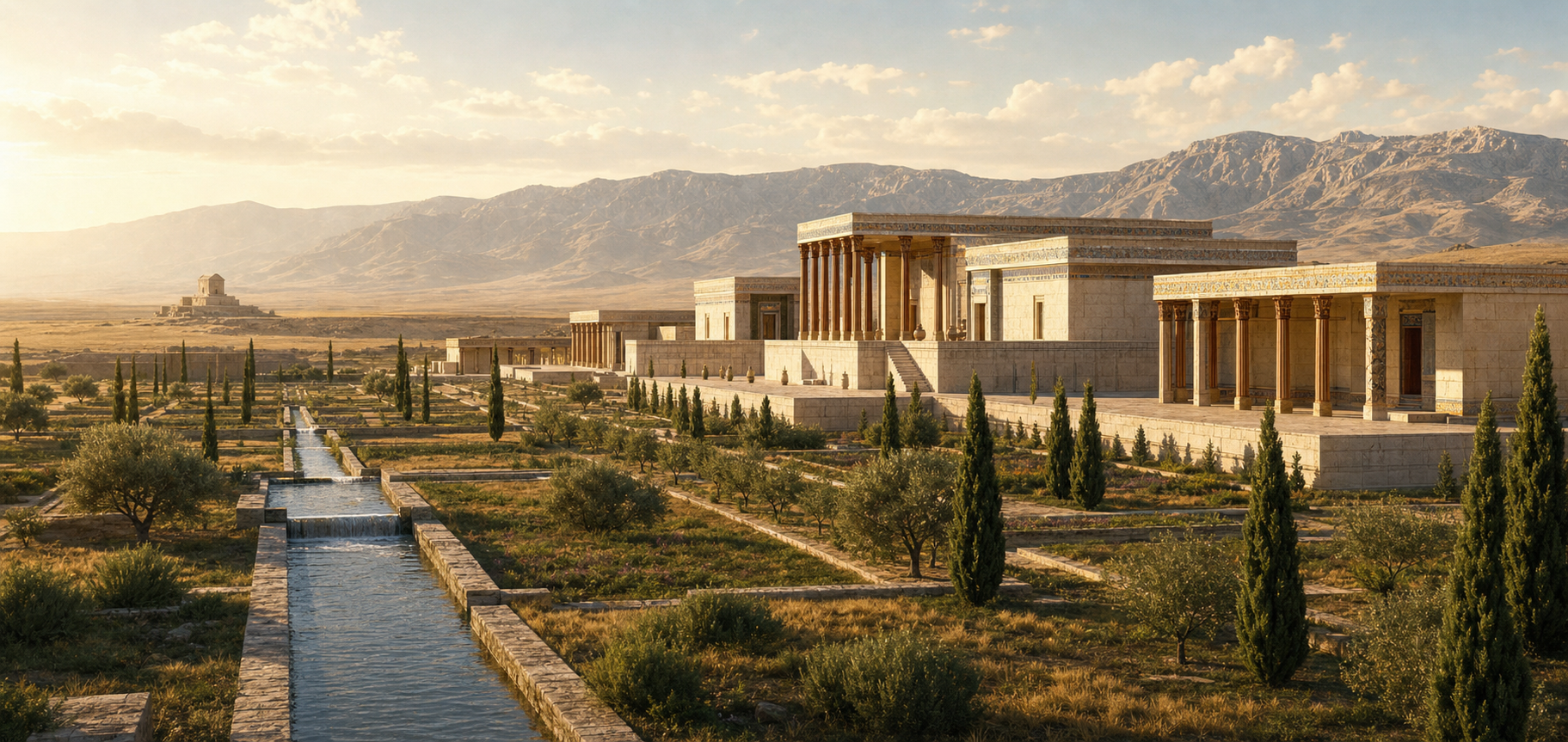
Akanthos was an ancient Greek city located on the eastern coast of the Chalcidice peninsula in northern Greece. Founded as a colony during the great period of Greek expansion, it became a prosperous and strategically important settlement due to its access to maritime trade routes and nearby natural resources. Although not as widely known as larger centres such as Athens or Sparta, Akanthos played a significant role in the political and economic history of northern Greece.
Geographic Setting and Foundation
Akanthos was situated near the base of Mount Athos, overlooking the Aegean Sea. Its coastal position allowed the city to engage actively in maritime trade, while its proximity to fertile land supported agriculture. The surrounding region also provided access to timber and mineral resources, which were highly valued in the ancient world.
The city was founded in the seventh century BCE by colonists, traditionally said to have come from Andros, an island in the Cyclades. The settlement quickly developed into an organised polis with its own institutions and civic identity.
Economic Activity
Akanthos prospered through agriculture, trade, and craftsmanship. The fertile plains surrounding the city supported grain cultivation, vineyards, and olive groves. Maritime trade connected the city with other Greek settlements across the Aegean.
Timber from the forests of northern Greece was especially important, as it was essential for shipbuilding and construction. The city’s economic strength was reflected in its coinage, which circulated widely and demonstrated a stable and organised economy.
Political Structure and Civic Life
As a Greek polis, Akanthos developed institutions typical of the city-state model. Citizens participated in public assemblies and local governance, while magistrates oversaw administration and law.
The city maintained fortifications and public buildings that reflected both civic pride and the need for defence. Religious festivals and communal rituals reinforced social cohesion and collective identity.
Akanthos in Regional Politics
Akanthos occupied a strategic position in northern Greece, which often brought it into the sphere of influence of larger powers. During the fifth century BCE, it became involved in the struggles between Athens and Sparta in the Peloponnesian War.
At one stage, Akanthos welcomed the Spartan general Brasidas and supported resistance against Athenian control. This decision highlights the shifting alliances characteristic of the period.
In the fourth century BCE, the city eventually came under the expanding authority of Philip II of Macedon. Like many other northern Greek cities, Akanthos was incorporated into the Macedonian kingdom, which brought both stability and reduced autonomy.
Hellenistic and Roman Periods
Under Macedonian rule and later during the Hellenistic period, Akanthos continued to function as a regional centre. Although it no longer played a leading political role, its economic activities persisted.
Following the Roman conquest of Macedonia in the second century BCE, Akanthos became part of the Roman provincial system. Roman administration maintained local structures while integrating the region into broader imperial networks.
Religion and Cultural Identity
Religious life in Akanthos followed traditional Greek polytheism. Temples and sanctuaries dedicated to Olympian gods formed part of the city’s sacred landscape. Festivals honoured the gods and strengthened civic unity.
The city’s cultural identity was shaped by both its Ionian origins and its position within the northern Greek world. Interaction with neighbouring Thracian and Macedonian communities contributed to its regional character.
Archaeological Evidence
Excavations at the site of Akanthos have uncovered remains of fortifications, houses, cemeteries, and public buildings. The extensive burial grounds provide insight into social structure, trade connections, and artistic styles.
Coinage and pottery discovered at the site testify to the city’s economic vitality and its participation in wider Aegean networks.
Legacy
Akanthos stands as an example of a prosperous and strategically located northern Greek polis. Though often overshadowed by more famous cities, it contributed to the political and economic fabric of the region.
Its involvement in major conflicts of the Classical period and its later integration into Macedonian and Roman systems illustrate the interconnected nature of ancient Greek history.
Conclusion
Akanthos was a dynamic and resourceful city that thrived through trade, agriculture, and strategic positioning. From its foundation by Andrian colonists to its incorporation into Macedon and Rome, it adapted to changing political circumstances while maintaining civic identity.
Though modest in scale compared with the great metropolises of Greece, Akanthos played a meaningful role in the development of northern Greek history and remains an important site for understanding the diversity of the ancient Greek world.