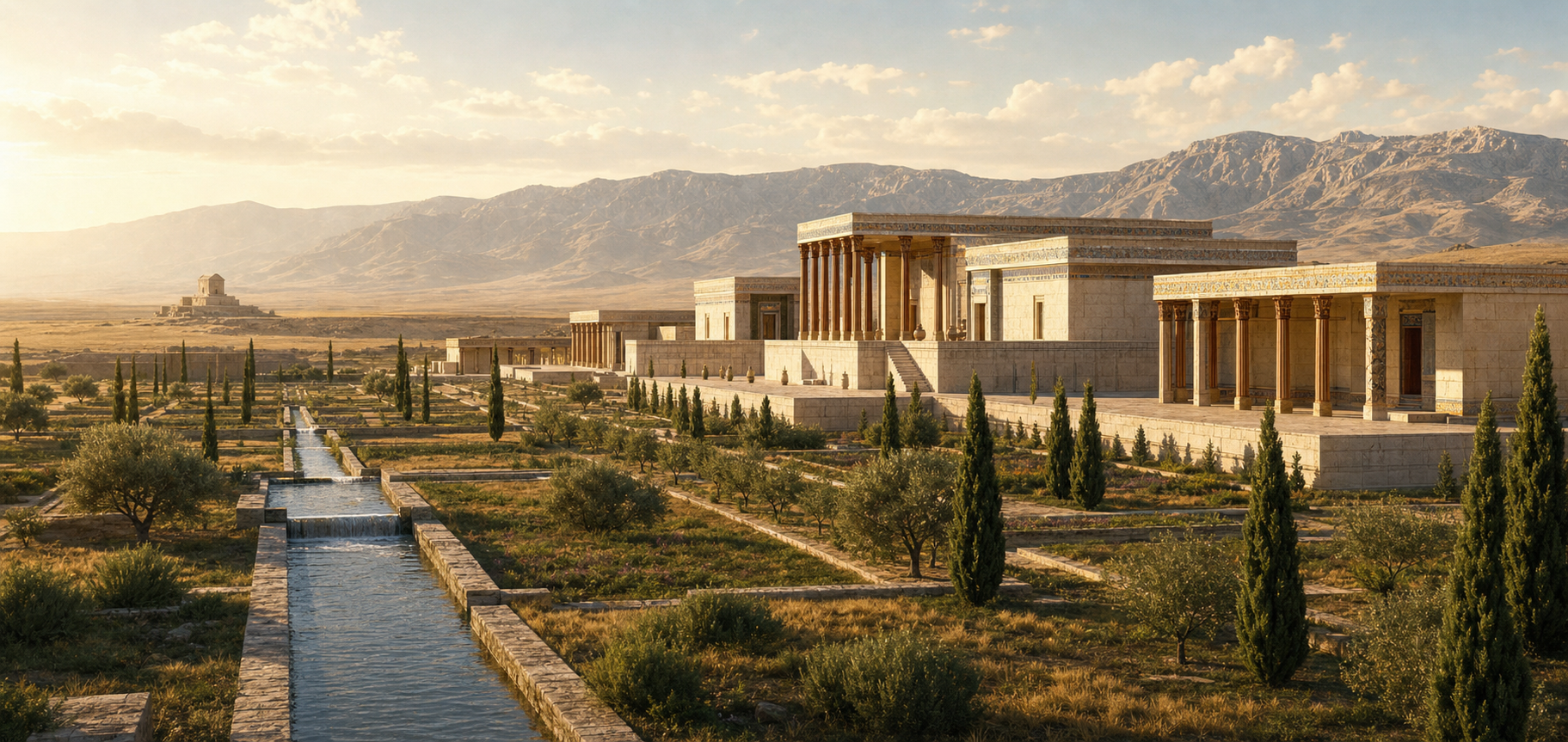
Abdera was an ancient Greek city located on the northern coast of the Aegean Sea, in the region of Thrace. Though not among the largest or most militarily dominant Greek poleis, Abdera achieved lasting distinction as a centre of intellectual life and philosophical inquiry. Its strategic position along important maritime and overland trade routes allowed it to develop into a prosperous and culturally vibrant community. Over time, Abdera became particularly associated with prominent thinkers such as Democritus and Protagoras.
Geographic Setting and Early Foundation
Abdera was situated near the mouth of the Nestos River, facing the Thracian Sea. Its coastal location enabled maritime trade, while nearby fertile plains supported agriculture. The region also offered access to inland routes connecting the Aegean world with Thracian territories.
The city was first founded in the seventh century BCE by colonists from Clazomenae in Asia Minor, though this early attempt did not endure. A more successful refoundation occurred in the sixth century BCE, led by settlers from Teos who were fleeing Persian expansion. This second foundation established Abdera as a stable and prosperous polis.
Economic Life and Trade
Abdera benefited from its location on major commercial routes linking Greece with Thrace and the Black Sea region. The surrounding countryside produced grain, livestock, and other agricultural goods, while maritime trade brought additional wealth.
The city minted its own coinage, reflecting economic vitality and integration into regional markets. Its harbour facilitated exchange with other Greek settlements, as well as with Thracian communities inland.
The prosperity of Abdera provided the material basis for its cultural and intellectual achievements.
Political Structure and Civic Organisation
Like other Greek city-states, Abdera developed civic institutions that allowed for citizen participation in governance. Assemblies, magistrates, and councils oversaw public affairs and maintained order.
The city’s position in Thrace required diplomatic engagement with local tribes and neighbouring Greek settlements. Political alliances shifted in response to broader conflicts within the Greek world.
During the fifth century BCE, Abdera became a member of the Delian League under Athenian leadership. Its contributions to the league demonstrate both its economic strength and its integration into Athenian maritime networks.
Intellectual and Philosophical Significance
Abdera’s greatest renown stems from its association with major philosophers. Democritus, born in Abdera in the fifth century BCE, developed an atomic theory of the universe, proposing that all matter consists of indivisible particles moving through empty space. His ideas laid important foundations for later scientific thought.
Protagoras, another native of Abdera, was a leading Sophist known for his influential statement that ‘man is the measure of all things’. His teachings on rhetoric and relativism shaped intellectual debates in Classical Greece.
These thinkers established Abdera as a centre of philosophical innovation, despite its relatively modest size compared with Athens or Corinth.
Military and Political Challenges
Abdera’s position in Thrace exposed it to shifting regional powers. In the fourth century BCE, the city came under the influence of Macedon during the expansion of Philip II. Although it retained local structures, its independence was curtailed.
Later, during the Hellenistic and Roman periods, Abdera became integrated into larger political frameworks. Its strategic location ensured continued occupation, though it gradually declined in prominence.
Religion and Cultural Life
Religious life in Abdera reflected the broader traditions of Greek polytheism. Temples dedicated to Olympian deities structured communal worship and reinforced civic identity. Public festivals and rituals strengthened social cohesion.
The blending of Greek and Thracian influences contributed to the city’s distinctive cultural character. Artistic production, including pottery and coinage, demonstrates engagement with wider Greek artistic traditions.
Decline and Archaeological Legacy
Over time, silting of the harbour and shifting trade routes reduced Abdera’s economic significance. By the Roman period, it had diminished in importance, though it continued to exist as a provincial town.
Modern archaeological excavations have revealed remains of fortifications, public buildings, and cemeteries. These discoveries provide valuable insight into daily life and civic organisation in a northern Greek polis.
Legacy
Abdera’s legacy lies primarily in its intellectual contributions. The philosophical innovations of Democritus and Protagoras ensured the city’s enduring place in the history of Western thought. Despite its relative obscurity in political and military narratives, Abdera’s cultural achievements had profound influence.
The city also exemplifies the expansion of Greek civilisation into Thrace and the integration of local and Hellenic traditions.
Conclusion
Abdera was a prosperous and culturally significant Greek polis situated on the northern Aegean coast. From its refoundation by Teian settlers to its flourishing intellectual life in the Classical period, it played an important role in the development of Greek philosophy and regional trade.
Though later overshadowed by larger powers and gradually diminished in prominence, Abdera’s contributions to philosophical thought and its position within the network of Greek colonies ensure its lasting historical importance.