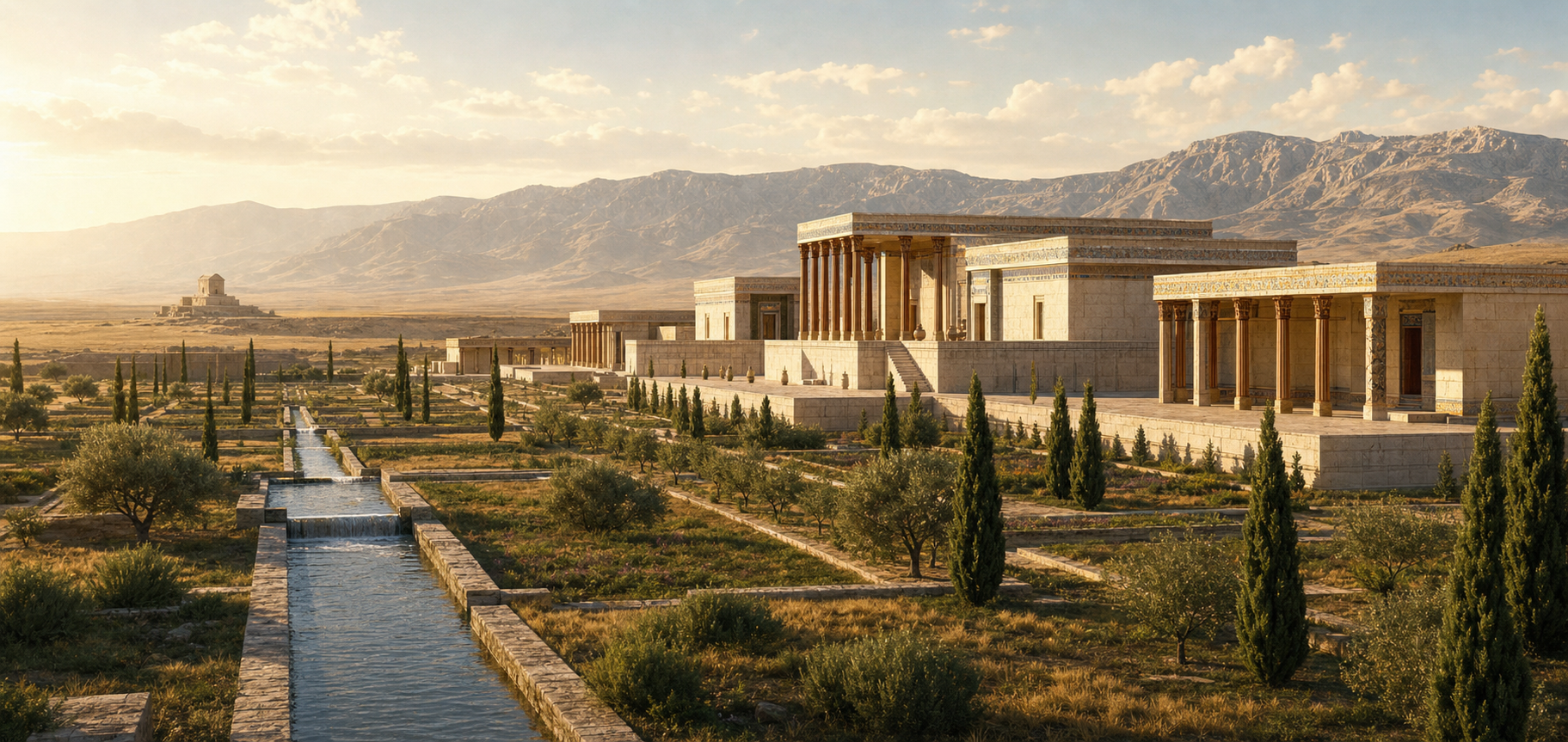
Phlius was an ancient Greek city located in the north-eastern Peloponnese, in a fertile valley between Sicyon and Corinth. Though never as powerful as its larger neighbours, Phlius maintained a stable civic identity and played a modest but notable role in the political and military affairs of the Classical Greek world. Its history reflects the experiences of smaller poleis that navigated the shifting alliances and rivalries of more dominant states.
Geographic Setting
Phlius was situated inland in a well-watered plain surrounded by low hills and mountains. The region’s fertile soil supported agriculture, particularly the cultivation of grain, vines, and olives. Its location provided a degree of natural protection while still allowing communication with nearby cities and trade routes.
Although it lacked direct access to the sea, Phlius benefited from proximity to major centres such as Corinth, which connected it indirectly to maritime commerce.
Early History and Political Organisation
Phlius was inhabited from early times and developed into an organised polis by the Archaic period. Like many Greek city-states, it experienced shifts between aristocratic and more participatory forms of government.
The city maintained its own civic institutions, including assemblies and magistrates. While often influenced by more powerful neighbours, Phlius retained a distinct local identity and strong communal cohesion.
Phlius in the Classical Period
During the Classical period, Phlius became involved in the wider struggles between Sparta, Athens, and other regional powers. The city was frequently aligned with Sparta and supported Spartan-led coalitions.
In the fourth century BCE, Phlius demonstrated loyalty to Sparta during periods of instability and warfare. It endured sieges and economic hardship yet maintained its independence. Ancient writers sometimes praised the city for its steadfastness and civic unity.
Its experiences illustrate the pressures faced by smaller states in an era dominated by large military alliances.
Social and Economic Life
The economy of Phlius was based primarily on agriculture. The fertile valley produced grain and wine, which sustained the population and supported local trade. Craftsmanship and small-scale commerce supplemented agricultural production.
Society was structured around citizen households, with enslaved labour contributing to farming and domestic work. Religious festivals and communal gatherings reinforced civic bonds and shared identity.
Religion and Cultural Activity
Phlius honoured the traditional Greek pantheon, with local sanctuaries and temples forming part of its religious landscape. Festivals celebrated the gods and strengthened ties among citizens.
Though not a major cultural centre, Phlius contributed to regional religious life and maintained connections with neighbouring communities through shared rituals and traditions.
Hellenistic and Roman Periods
Following the rise of Macedon under Philip II and Alexander the Great, Phlius, like many Greek poleis, became part of broader political structures. While it no longer exercised independent foreign policy, it continued to function as a local community.
Under Roman rule, Phlius was integrated into the provincial system. Its political significance diminished, but its agricultural economy persisted. The city gradually declined in prominence as larger centres drew regional influence.
Legacy
Phlius stands as an example of a smaller Greek polis that maintained resilience amid the shifting powers of Classical Greece. Its loyalty to alliances and its ability to preserve civic unity under pressure earned it recognition in historical accounts.
Though overshadowed by more powerful cities, Phlius represents the broader network of communities that formed the foundation of Greek civilisation. Its history demonstrates that the ancient Greek world was not shaped solely by great metropolises, but also by modest cities whose endurance contributed to regional stability.
Conclusion
Phlius was a modest yet enduring city-state in the north-eastern Peloponnese. Through agriculture, local governance, and steadfast political alliances, it sustained itself across centuries of upheaval.
While it did not achieve the fame of Athens or Sparta, Phlius exemplifies the resilience and civic spirit characteristic of many smaller Greek poleis. Its story enriches our understanding of the diversity and complexity of ancient Greek political life.