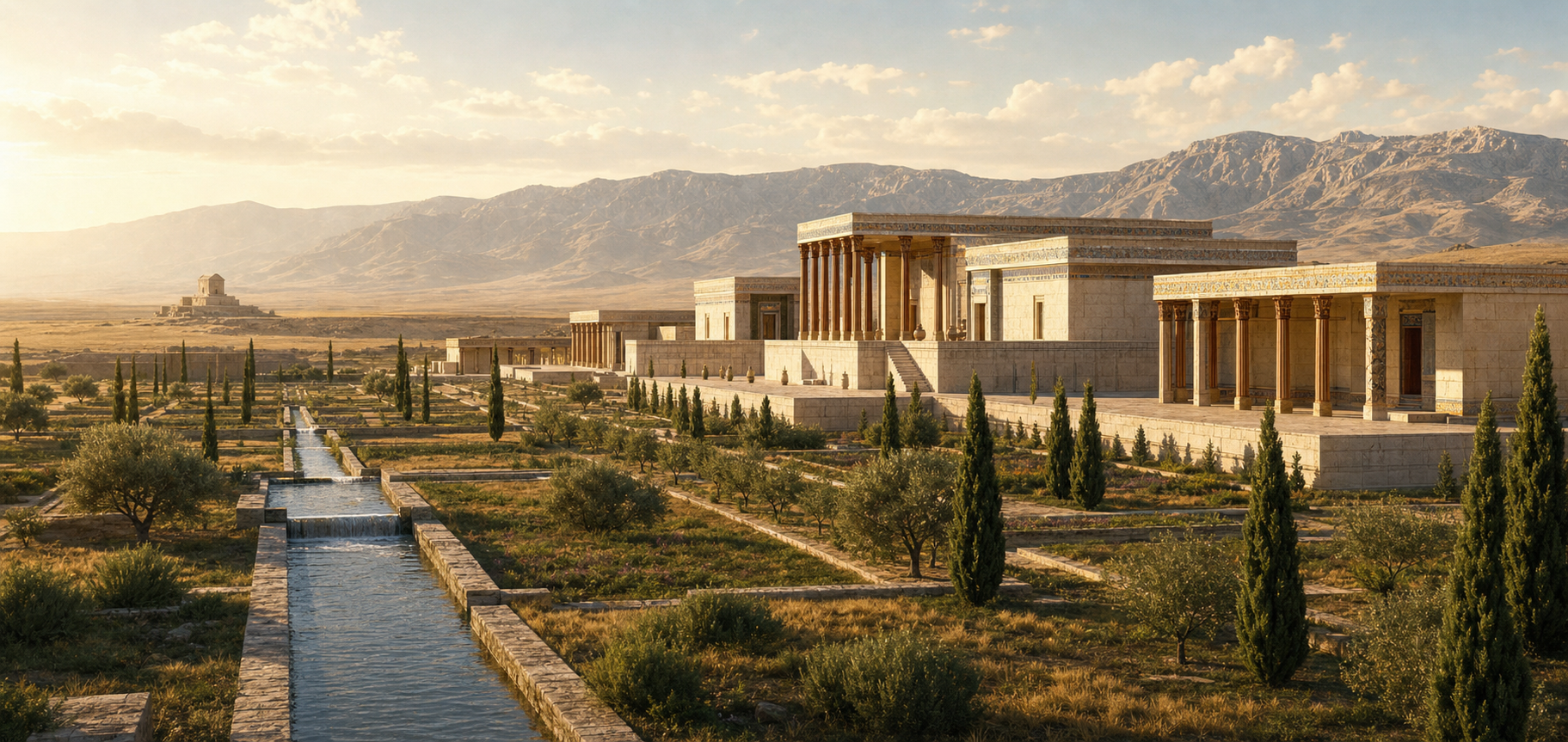
Tarentum, known in Greek as Taras, was one of the most powerful and prosperous Greek colonies in southern Italy. Situated on the coast of the Ionian Sea, it became the leading city of Magna Graecia, the region of southern Italy settled by Greek colonists. Founded by settlers from Sparta in the eighth century BCE, Tarentum developed into a major naval power, an important commercial hub, and a centre of culture and philosophy in the western Mediterranean.
Throughout its history, Tarentum combined military ambition with economic vitality. Its strategic harbour, fertile hinterland, and strong civic institutions allowed it to flourish for centuries before ultimately coming into conflict with the expanding Roman Republic.
Geographic Setting and Strategic Importance
Tarentum was located on a natural harbour formed by a sheltered bay, providing excellent protection for ships. Its position allowed control over maritime routes in the Ionian Sea and facilitated trade between the Greek mainland, Sicily, and the Italian peninsula.
The surrounding land was fertile and well suited to agriculture. Olive groves, vineyards, and grain cultivation supported the population and contributed to economic prosperity. The combination of maritime and agricultural resources made Tarentum one of the wealthiest cities in Magna Graecia.
Foundation and Spartan Origins
Tarentum was founded by colonists from Sparta, traditionally said to be Partheniae, a group marginalised within Spartan society. Unlike most Spartan communities, Tarentum developed as a maritime and commercial state rather than a strictly militarised land power.
Although it retained elements of Spartan heritage, including certain religious and cultural traditions, Tarentum evolved into a distinct polis with its own political institutions and ambitions. Its early growth was marked by territorial expansion and the establishment of control over neighbouring communities.
Political Structure and Civic Life
Over time, Tarentum developed a political system that included elements of democracy. Citizen participation in governance distinguished it from its Spartan origins. Public assemblies and elected officials played roles in civic decision-making.
Tarentum’s society was composed of citizens, resident foreigners, artisans, merchants, farmers, and slaves. Its wealth from trade and agriculture supported a vibrant urban culture, including theatres, temples, and public spaces.
Religious life centred on traditional Greek deities, with particular reverence for Poseidon, reflecting the city’s maritime character.
Military Power and Regional Influence
Tarentum maintained a strong navy and exercised considerable influence across southern Italy. It frequently engaged in conflicts with indigenous Italian peoples and rival Greek colonies. Through both diplomacy and warfare, the city sought to protect its interests and expand its territory.
During the Classical period, Tarentum emerged as the leading Greek city in Magna Graecia. Its military strength and economic resources allowed it to dominate regional politics.
Cultural and Intellectual Life
Tarentum was also known for its cultural achievements. It became associated with Pythagorean philosophy, and the philosopher Archytas, a prominent Pythagorean thinker and statesman, was active in the city. Archytas combined mathematical inquiry with political leadership, reflecting the intellectual vibrancy of Tarentum.
The city’s prosperity enabled patronage of the arts, including drama and sculpture. Its urban landscape reflected the wealth and ambition of its citizens.
Conflict with Rome
In the late fourth and early third centuries BCE, Tarentum’s independence came under threat from the expanding Roman Republic. Tensions escalated when Roman ships entered Tarentine waters, prompting hostility and eventual conflict.
Seeking assistance, Tarentum invited King Pyrrhus of Epirus to aid in its defence. Pyrrhus achieved several costly victories against Roman forces, giving rise to the expression ‘Pyrrhic victory’, referring to a triumph gained at excessive cost.
Despite initial successes, Pyrrhus was unable to secure lasting victory. Tarentum ultimately fell to Rome in the early third century BCE. This marked the end of its independence and the beginning of Roman dominance in southern Italy.
Roman Period and Later History
Under Roman rule, Tarentum remained an important city but lost its political autonomy. Its harbour and fertile lands continued to support economic activity, and it retained elements of Greek culture within the Roman framework.
The city’s Greek heritage persisted in language, architecture, and religious practice for generations. However, its role as a dominant regional power had ended.
Economy and Trade
Tarentum’s economy was based on agriculture, fishing, craftsmanship, and maritime trade. Its harbour facilitated commercial exchange across the Mediterranean. The city was known for the production of wool and purple dye, as well as fine ceramics.
Trade connections linked Tarentum to mainland Greece, Sicily, and other parts of Italy. Its wealth supported urban development and military capability.
Legacy
Tarentum’s legacy lies in its role as the foremost Greek city in Magna Graecia and in its resistance to Roman expansion. The involvement of Pyrrhus and the resulting wars had lasting consequences for Mediterranean history.
The city’s association with Pythagorean philosophy and figures such as Archytas highlights its intellectual significance. Tarentum exemplifies the extension of Greek civilisation into Italy and the blending of cultures that followed.
Conclusion
Tarentum was a dynamic and ambitious Greek polis that rose to prominence through maritime strength, agricultural wealth, and political adaptability. From its Spartan origins to its leadership in Magna Graecia, the city demonstrated both resilience and ambition.
Although eventually absorbed into the Roman Republic, Tarentum left a lasting imprint on the history of southern Italy. Its military struggles, cultural achievements, and economic vitality ensure its place among the most important Greek colonies of the ancient world.