Mythology · Ancient Greece
Ancient Greek Mythology
Ancient Greek mythology stands as one of the most influential and enduring bodies of stories in human culture, providing not only entertainment and moral instruction to the ancient Greeks themselves, but continuing to shape art, l…
Ancient Greek mythology stands as one of the most influential and enduring bodies of stories in human culture, providing not only entertainment and moral instruction to the ancient Greeks themselves, but continuing to shape art, literature, psychology, and popular culture throughout the Western world and beyond. These intricate tales of gods and goddesses, heroes and monsters, love and betrayal, triumph and tragedy, emerged from the collective imagination of the Greek people over many centuries, evolving from oral traditions into the sophisticated literary works that have come down to us today.
Introduction
Greek mythology served multiple functions within ancient Greek society. It provided explanations for natural phenomena that science had not yet explained, offered moral and ethical guidance through stories of divine justice and human consequence, preserved cultural memory and values across generations, and created a shared framework of meaning that bound together the diverse communities of the Greek world. These stories were not simply entertainment but formed the intellectual and spiritual foundation upon which Greek civilization was built.
What makes Greek mythology particularly remarkable is its psychological sophistication and narrative complexity. Unlike the myths of many ancient cultures, which often present gods as remote and incomprehensible forces, Greek mythology portrays its divine and heroic characters with recognizably human emotions, motivations, and flaws. This anthropomorphic approach made the stories accessible and relevant while allowing them to explore fundamental questions about human nature, morality, and the meaning of existence that remain compelling today.
Origins and Sources of Greek Mythology
The origins of Greek mythology stretch back into the prehistoric past, emerging from the oral traditions of Bronze Age Greece and incorporating influences from the earlier Minoan and Mycenaean civilizations, as well as from contact with Near Eastern cultures. These early stories were transmitted orally by bards and storytellers for centuries before being recorded in written form, undergoing continuous evolution and refinement that shaped their final literary versions.
The earliest written sources of Greek mythology include the epic poems attributed to Homer - the Iliad and Odyssey - which were composed in the 8th century BCE and provide our most complete picture of the mythological world that the Greeks inherited from their ancestors. These works, while focusing on specific heroic episodes, contain references to the broader mythological framework that was familiar to their audiences, including genealogies of gods and heroes, explanations of divine relationships, and allusions to earlier mythological events.
Hesiod's Theogony, composed around the same time as Homer's epics, provides the most systematic account of the origins of the gods and the structure of the divine cosmos. This work traces the genealogy of the gods from the primordial forces of Chaos and Earth through the successive generations of Titans and Olympians, establishing the framework within which later mythological stories would unfold. Hesiod's Works and Days also contains important mythological material, including the story of Pandora and the myth of the Ages of Man.
Later literary sources expanded and refined the mythological tradition through the works of tragic and comic dramatists, lyric poets, and prose writers. Aeschylus, Sophocles, and Euripides created powerful dramatic interpretations of mythological themes that influenced how these stories were understood and remembered, while poets like Pindar and Bacchylides preserved and transmitted heroic myths through their victory odes. Hellenistic poets like Apollonius of Rhodes and Callimachus created new versions of traditional stories while preserving older mythological material.
Archaeological evidence from Bronze Age Greece, particularly the Linear B tablets from Pylos and Knossos, provides glimpses of the religious and mythological beliefs that preceded the classical tradition. These tablets mention many of the gods who would later become central figures in Greek mythology, including Zeus, Hera, Poseidon, and Dionysus, suggesting that many elements of classical mythology had very ancient roots. The material culture revealed by archaeology also helps us understand how mythological stories functioned within their original religious and social contexts.
The Creation Myth and Cosmogony
The Greek creation myth, as presented most systematically in Hesiod's Theogony, describes the emergence of order from primordial chaos through a series of divine generations, each of which establishes new aspects of cosmic organization while engaging in conflicts that drive the narrative forward. This cosmogony provides the foundation for understanding all subsequent mythological developments while offering insights into Greek concepts of justice, power, and natural order.
The beginning of all things, according to Hesiod, was Chaos - not mere disorder, but rather the yawning void or gap that existed before the creation of distinct entities. From Chaos emerged the first primordial beings: Gaia (Earth), Tartarus (the deep underworld), and Eros (the force of attraction that drives cosmic processes). These primal forces represent the fundamental principles from which all later developments would emerge, establishing the basic structure of reality itself.
Gaia, as the personification of Earth, becomes the mother of subsequent divine generations, first producing Uranus (Sky) through parthenogenesis, then mating with him to produce the Titans, Cyclopes, and Hundred-Handed Giants. This first divine marriage establishes the pattern of cosmic couples whose unions generate new aspects of reality, while the conflict between Gaia and Uranus over the fate of their children introduces themes of generational struggle and the evolution of divine justice that will characterize the entire mythological tradition.
The castration of Uranus by his son Cronus, orchestrated by Gaia to free her imprisoned children, represents the first great transition in cosmic history and establishes the pattern of sons overthrowing fathers that will continue through subsequent generations. From Uranus's severed genitals, cast into the sea, arise Aphrodite and the Furies, symbolizing respectively the creative and destructive powers that emerge from violence and establishing the complex relationship between love and strife that permeates Greek thought.
Cronus's rule over the Titans represents a second stage of cosmic development, but his paranoid consumption of his children to prevent being overthrown in turn demonstrates that the principles of justice and order have not yet been fully established. The rescue of Zeus by Rhea and his eventual defeat of Cronus and the Titans in the Titanomachy represents the final establishment of the divine order that will govern the classical mythological world, with Zeus's victory ensuring that justice and intelligence rather than mere force will guide cosmic affairs.
The Olympian Pantheon
The twelve Olympian gods represent the pinnacle of divine evolution in Greek mythology, embodying various aspects of natural phenomena, human experience, and social organization while maintaining complex relationships with one another that mirror and illuminate the complexities of human society. These deities, while possessing immortality and supernatural powers, display recognizably human emotions and motivations that make their stories accessible and psychologically compelling.
Zeus, as king of the gods and ruler of the sky, represents divine authority and justice, though his character combines noble leadership with personal flaws that create ongoing mythological conflicts. His numerous affairs with goddesses, nymphs, and mortal women generate many of the heroic bloodlines that populate Greek mythology, while his attempts to maintain cosmic order often bring him into conflict with other gods and with fate itself. Zeus's role as upholder of oaths and divine law provides stability to the mythological world while his passionate nature ensures continuing dramatic tension.
Hera, as Zeus's wife and queen of the gods, embodies the institution of marriage and the protection of family bonds, though her relationship with Zeus is characterized by conflict arising from his infidelities and her jealous responses. Her persecution of Zeus's lovers and illegitimate children creates many mythological episodes while exploring themes of marital fidelity, female power, and the tensions between personal desire and social obligation that characterized ancient Greek society.
Poseidon, ruler of the seas and earthquakes, represents both the life-giving and destructive powers of water and geological forces. His conflicts with other gods, particularly his rivalry with Athena for patronage of Athens, reflect the importance of maritime power in Greek civilization while his volatile temperament embodies the unpredictable nature of the natural forces he controls. Poseidon's role as creator of horses and patron of horsemanship connects him to aristocratic culture and warfare.
Athena, goddess of wisdom and strategic warfare, represents the intellectual and civilizing aspects of human achievement. Born from Zeus's head fully grown and armed, she embodies rational thought and skilful action while serving as patron of crafts, particularly weaving, that represent the transformation of raw materials through intelligence and skill. Her protection of heroes and cities reflects Greek values of courage guided by wisdom and the importance of divine favour in human success.
Apollo, god of music, poetry, prophecy, and healing, represents the cultural and intellectual achievements that the Greeks valued most highly. His oracle at Delphi served as the most important religious institution in the ancient world, while his patronage of the arts established the divine origins of cultural excellence. Apollo's emphasis on moderation and self-knowledge, expressed in the Delphic maxims "Know thyself" and "Nothing in excess," encapsulated central Greek values and philosophical insights.
Artemis, goddess of the hunt and protector of wild animals and young women, represents the untamed aspects of nature and the fierce independence that characterized some ideals of female virtue. Her eternal virginity and violent punishment of those who threaten her chastity or that of her followers reflect complex Greek attitudes toward female sexuality and autonomy. As Apollo's twin sister, she provides a feminine counterpart to his civilizing influence while maintaining connections to more primitive religious traditions.
Love, War, and Craft: The Younger Olympians
The younger generation of Olympian deities represents various aspects of human culture and society that emerged after the establishment of basic cosmic order, embodying the drives and activities that characterize civilized life while maintaining connections to more primitive natural forces. Their stories explore the tensions between different aspects of human experience and the complex relationships between divine influence and human achievement.
Aphrodite, goddess of love and beauty, embodies the power of sexual attraction that drives both creation and destruction throughout Greek mythology. Whether born from the sea foam generated by Uranus's severed genitals or as the daughter of Zeus and Dione, she represents forces that transcend rational control and social convention. Her affairs with both gods and mortals, including her marriage to Hephaestus and her liaison with Ares, explore the tensions between passion and social order while her influence over human affairs demonstrates the power of desire to shape individual and collective destiny.
Ares, god of war, represents the violent and chaotic aspects of military conflict that the Greeks viewed with ambivalence. Unlike Athena's strategic warfare, Ares embodies the blind fury and bloodlust of battle, making him generally unpopular among both gods and mortals despite the military culture of ancient Greece. His relationship with Aphrodite symbolizes the connection between love and strife that Empedocles identified as the fundamental forces driving cosmic change, while his role in mythological conflicts often represents the destructive consequences of uncontrolled aggression.
Hephaestus, god of fire and metalworking, represents the technological skills that distinguish human civilization from animal existence. Despite his physical deformity and social awkwardness, which reflect Greek prejudices about craftsmen and physical labour, Hephaestus creates objects of extraordinary beauty and power that demonstrate the divine origins of human technological achievement. His workshop and the automatons he creates anticipate modern concerns about artificial intelligence while his marriage to Aphrodite explores the relationship between beauty and craftsmanship.
Demeter, goddess of agriculture and the harvest, represents the civilizing power of farming that enabled the development of settled society. Her grief over the abduction of her daughter Persephone by Hades creates the mythological explanation for seasonal change while exploring themes of maternal love, loss, and renewal that resonate across cultures. The Eleusinian Mysteries, centred on Demeter and Persephone, provided one of the most important religious experiences in the ancient world, promising initiates a blessed afterlife through participation in the goddess's suffering and joy.
Dionysus, god of wine, ecstasy, and theatrical performance, represents the irrational and liberating aspects of human experience that complement Apollo's emphasis on rational order. His late arrival on Olympus and his association with foreign influences reflect the complex processes through which Greek religion incorporated external elements while his festivals provided sanctioned opportunities for the temporary suspension of social norms. The tragic and comic dramas performed at Dionysiac festivals created the theatrical traditions that continue to influence Western culture.
Heroes and Heroic Adventures
Greek heroic mythology represents perhaps the most psychologically sophisticated and narratively complex aspect of the entire mythological tradition, creating stories that explore fundamental questions about human nature, moral responsibility, and the relationship between individual achievement and social obligation. These tales of extraordinary individuals who transcend normal human limitations while remaining subject to human weaknesses provided both entertainment and moral instruction while preserving cultural memories of Bronze Age civilization.
The concept of the hero in Greek mythology is unique and complex, referring neither to ordinary mortals nor to gods, but to individuals who possess exceptional abilities and often divine parentage while remaining subject to mortality and human limitations. These figures serve as intermediaries between the divine and human worlds, demonstrating both the heights of human potential and the tragic consequences of exceeding appropriate bounds. The heroic ideal combined physical prowess with moral courage while acknowledging the inevitable conflicts between personal glory and social responsibility.
Perseus, the first great hero in Greek tradition, establishes many of the patterns that characterize later heroic adventures through his quest to slay the Gorgon Medusa and rescue Andromeda from a sea monster. His story combines fantastic adventures with themes of divine assistance, magical objects, and the hero's role in protecting civilization from monstrous threats. The intervention of gods like Athena and Hermes in his quest demonstrates the collaborative relationship between divine and human agency that characterizes Greek heroic narrative.
The Twelve Laborus of Heracles represent the most systematically developed heroic cycle in Greek mythology, transforming the strongman of early tradition into a complex figure whose great strength is accompanied by tragic flaws that create ongoing conflicts and moral challenges. Each labour tests different aspects of heroic virtue while contributing to the hero's purification from the crime of murdering his family in a fit of divine madness. The geographical scope of Heracles' adventures, from the Nemean Lion to the Cattle of Geryon, reflects the pan-Hellenic character of his cult while demonstrating the hero's role in civilizing the known world.
Theseus, the great hero of Athens, embodies the specifically Athenian contributions to heroic tradition while incorporating many traditional heroic themes into a narrative that celebrates democratic values and institutional innovation. His journey to Athens and recognition by his father Aegeus follows the standard pattern of heroic development, while his voluntary service in the tribute to Crete and his defeat of the Minotaur demonstrate the hero's willingness to sacrifice personal safety for the common good. His role in founding democratic institutions and protecting the oppressed reflects fifth-century Athenian political ideals.
The story of Jason and the Argonauts represents the most complex and collaborative heroic enterprise in Greek mythology, bringing together heroes from throughout the Greek world in a quest that combines traditional heroic themes with innovations in narrative technique and psychological characterization. The relationship between Jason and Medea explores the tragic consequences of cultural conflict and personal betrayal while the voyage itself provides a framework for incorporating diverse mythological traditions from throughout the Mediterranean world.
The Trojan War Cycle
The Trojan War represents the culmination of Greek heroic mythology, bringing together the major heroic bloodlines in a conflict that tests the limits of human courage, loyalty, and wisdom while exploring fundamental questions about honour, justice, and the costs of warfare. This cycle of stories, spanning from the judgment of Paris to the returns of the surviving heroes, provided the Greeks with their most important cultural reference point while creating narrative patterns that continue to influence Western literature.
The origins of the conflict in the judgment of Paris introduce themes of beauty, desire, and the manipulation of mortal affairs by divine powers that run throughout the entire cycle. Paris's choice of Aphrodite over Hera and Athena in exchange for Helen's love sets in motion a chain of events that will destroy Troy while demonstrating the tragic consequences of decisions made without adequate consideration of their broader implications. The involvement of all the major gods on different sides of the conflict reflects the cosmic significance of the war while creating opportunities for exploring divine intervention in human affairs.
The gathering of the Greek heroes at Aulis and their voyage to Troy establishes the collaborative nature of the enterprise while introducing the major heroic figures whose exploits will define the war. The sacrifice of Iphigenia to ensure favourable winds demonstrates the moral ambiguity that characterizes many heroic decisions while establishing Agamemnon's tragic guilt that will eventually lead to his own death. The catalogue of ships in the Iliad preserves Bronze Age geographical and political information while creating a sense of the massive scope of the enterprise.
The events of the war itself, as presented in the Iliad, focus on a brief period in the tenth year of the siege to explore themes of honour, friendship, mortality, and divine intervention through the conflict between Achilles and Agamemnon and its tragic consequences. Achilles' withdrawal from battle and eventual return to avenge Patroclus creates a narrative framework for examining different concepts of heroic virtue while the death of Hector demonstrates the human costs of warfare even for the most noble participants.
The fall of Troy, as described in later epic poems and dramatic works, brings the conflict to its tragic conclusion through the device of the Wooden Horse while exploring themes of deception, divine justice, and the destruction of civilization. The deaths of Priam and Astyanax, the enslavement of the Trojan women, and the sacrilege committed by the victorious Greeks demonstrate that victory in war brings moral contamination as well as glory, while the intervention of the gods ensures that the destruction of Troy will bring punishment to its destroyers.
The returns of the Greek heroes, including Odysseus's ten-year journey home and Agamemnon's murder by Clytemnestra, explore the difficult transition from war to peace while demonstrating that heroic achievements in battle cannot guarantee happiness or security in civilian life. These stories examine the psychological and social costs of prolonged warfare while creating frameworks for understanding the relationship between individual heroic achievement and communal welfare that influenced Greek political and moral thought.
Tragic Dynasties and Curse Narratives
Greek mythology contains several major narratives focused on cursed royal families whose crimes and punishments extend across multiple generations, creating complex explorations of hereditary guilt, divine justice, and the relationship between individual moral responsibility and family destiny. These stories provided raw material for the greatest works of Greek tragedy while offering insights into Greek concepts of justice, pollution, and purification that influenced both religious practice and legal development.
The House of Atreus represents the most fully developed example of a cursed dynasty, with crimes and punishments extending from Tantalus's offence against the gods through the murder of Agamemnon and the eventual resolution achieved by Orestes' trial in Athens. Tantalus's punishment - eternal hunger and thirst in the underworld - establishes the pattern of excessive punishment for crimes against divine hospitality, while his son Pelops's victory in the chariot race with Oenomaus through bribery and murder creates the foundation for future family disasters.
The conflict between Atreus and Thyestes over the throne of Mycenae escalates the family curse through the horrific feast at which Atreus serves Thyestes the flesh of his own children, a crime that ensures continuing vengeance across subsequent generations. This story explores the dehumanizing effects of political competition while demonstrating how the pursuit of power can destroy both familial bonds and basic human morality, themes that resonated strongly with Greek audiences familiar with similar political conflicts in their own cities.
Agamemnon's sacrifice of Iphigenia to secure favourable winds for the expedition to Troy represents a new form of family crime, as the demands of military leadership conflict with paternal obligations, creating moral dilemmas that admit no clear resolution. Clytemnestra's murder of Agamemnon upon his return from Troy continues the cycle of vengeance while raising questions about the justice of her action and the rights of women to seek redress for wrongs committed against their children.
The story of Orestes, commanded by Apollo to avenge his father while being pursued by the Furies for matricide, brings the curse to a crisis that can only be resolved through divine intervention and the establishment of new legal institutions. His trial in Athens, presided over by Athena and decided by a jury of Athenian citizens, represents the transformation of primitive blood vengeance into civilized justice while demonstrating the role of democratic institutions in resolving conflicts that threaten social order.
The House of Thebes provides an alternative model of dynastic curse focused on the consequences of Oedipus's unknowing crimes and their effects on his children and city. Oedipus's murder of his father and marriage to his mother, despite his efforts to avoid the prophesied fate, explores themes of destiny, self-knowledge, and the limits of human wisdom that made his story a favourite subject for tragic dramatists. The subsequent conflict between his sons Eteocles and Polynices over the throne of Thebes extends the family curse while creating the context for examining loyalty, justice, and religious obligation in the face of conflicting moral demands.
Monsters, Titans, and Divine Opposition
The monsters and supernatural antagonists of Greek mythology serve crucial narrative and symbolic functions, representing chaos, primitive forces, and the challenges that heroes and gods must overcome to establish and maintain civilized order. These creatures embody various forms of physical, moral, and psychological threats while providing opportunities for heroic achievement and divine intervention that define the boundaries between order and chaos, civilization and wildness.
The Titans, as the previous generation of divine rulers overthrown by Zeus and the Olympians, represent the persistence of older cosmic forces that continue to threaten the established order despite their apparent defeat. Their imprisonment in Tartarus creates an ongoing source of potential conflict while their occasional release or escape provides dramatic tension and opportunities for exploring themes of generational change and the evolution of divine justice. Prometheus's theft of fire and his subsequent punishment by Zeus exemplifies the complex relationship between Titanic wisdom and Olympian authority.
The Giants, born from Gaia's anger over the Titans' defeat, represent a more direct physical threat to Olympian rule while embodying themes of rebellion and the dangers of challenging established authority. The Gigantomachy, or battle between gods and giants, became a popular subject in Greek art and literature as a symbol of the ongoing struggle between civilization and barbarism, order and chaos, that characterized Greek understanding of cosmic and social dynamics.
The various monsters encountered by heroes serve as tests of heroic virtue while symbolizing specific forms of threat to civilized life. The Hydra's multiple heads that regrow when severed represents the difficulty of overcoming certain forms of evil or corruption, while the Sphinx's riddles embody the intellectual challenges that complement physical trials in defining heroic achievement. The Minotaur's confinement in the labyrinth symbolizes the hidden threats that exist within seemingly civilized societies.
Medusa and her Gorgon sisters represent the terrifying aspects of female power while embodying themes of beauty and horror, sight and blindness, that explore fundamental anxieties about sexuality and death. Perseus's use of reflection to avoid Medusa's deadly gaze while beheading her demonstrates the importance of intelligence and divine assistance in overcoming seemingly impossible challenges, while the protective power of Medusa's severed head shows how conquered threats can be transformed into sources of strength.
The various composite creatures - centaurs, satyrs, harpies, and others - that populate Greek mythology represent the boundaries between human and animal nature while embodying different aspects of civilized and primitive behaviour. Centaurs' reputation for violence and sexual excess contrasts with the wisdom of Chiron, demonstrating the complexity of these symbolic figures, while satyrs' association with Dionysus connects them to the beneficial aspects of controlled release from social constraints.
Mystery Religions and Afterlife Beliefs
Greek mythology encompassed sophisticated beliefs about death, the afterlife, and the possibility of achieving blessed immortality through participation in mystery religions that offered initiates secret knowledge and ritual experiences unavailable through public religious practice. These traditions provided personal spiritual fulfilment while addressing individual concerns about mortality and meaning that civic religion did not fully satisfy.
The Eleusinian Mysteries, centred on the story of Demeter and Persephone, represented the most important and widely respected of the Greek mystery religions, promising initiates a blessed afterlife in exchange for participation in secret rituals that re-enacted the goddess's grief and joy over her daughter's annual death and resurrection. The agricultural symbolism of the mysteries connected personal immortality with natural cycles of death and renewal while providing psychological comfort through identification with divine suffering and triumph.
The descent of various heroes to the underworld - including Heracles, Theseus, Orpheus, and Odysseus - provided mythological frameworks for understanding the geography and governance of the realm of the dead while exploring themes of love, loss, and the possibility of overcoming mortality through exceptional virtue or divine favour. These katabasis narratives influenced both religious belief and philosophical speculation about the nature of the soul and its fate after death.
Orpheus and the religious movement associated with his name developed distinctive teachings about the soul's divine nature and its imprisonment in the physical body, leading to practices aimed at achieving purification and eventual release from the cycle of reincarnation. Orphic mythology portrayed the human soul as containing a divine spark that could be liberated through proper knowledge and ritual practice, creating a more individualistic and salvation-oriented approach to religion than traditional Greek practice provided.
The Dionysiac mysteries offered ecstatic experiences that temporarily dissolved the boundaries between human and divine consciousness while providing models for transcending ordinary social and psychological limitations. The dismemberment and resurrection of Dionysus served as a paradigm for the death and rebirth that initiates experienced through ritual participation, while the god's association with wine created accessible means for achieving altered states of consciousness.
Pythagorean religious philosophy developed mathematical and musical approaches to understanding divine harmony while incorporating mythological elements into systematic teachings about cosmic order and personal purification. The Pythagorean emphasis on numerical relationships and geometric patterns provided intellectual frameworks for understanding mythological narratives while their practices of dietary restriction and ritual purification offered practical methods for achieving spiritual development.
Women in Greek Mythology
The portrayal of women in Greek mythology reflects the complex and often contradictory attitudes toward female power, sexuality, and social roles that characterized ancient Greek culture, creating female characters who range from powerful goddesses and wise heroines to dangerous monsters and tragic victims. These figures embody various aspects of the feminine that both fascinated and troubled Greek society while providing insights into ancient concepts of gender, family, and social organization.
The major goddesses of the Greek pantheon demonstrate different models of female power and authority that both reflect and challenge conventional social expectations. Athena's virginity and wisdom represent the acceptable integration of female intelligence into male-dominated society, while her birth from Zeus's head symbolizes the subordination of feminine creativity to masculine authority. Artemis's fierce independence and violent protection of her chastity embody ideals of female autonomy that remained largely unavailable to mortal women in Greek society.
Hera's role as queen of the gods and protector of marriage provides a model of legitimate female authority within traditional social structures, yet her conflicts with Zeus and persecution of his lovers reveal the tensions and frustrations inherent in these conventional roles. Aphrodite's power over love and sexuality demonstrates the recognition of female erotic power while her affairs and the conflicts they generate suggest anxiety about uncontrolled female desire and its social consequences.
Mortal heroines like Penelope, Antigone, and Medea represent different responses to the constraints and opportunities available to women within patriarchal society. Penelope's loyalty and cunning in awaiting Odysseus's return embody idealized feminine virtues while demonstrating how women could exercise agency within conventional social roles. Antigone's defiance of Creon's decree to honour her dead brother represents the tragic consequences that could result when feminine moral insights conflicted with masculine political authority.
Medea's transformation from helpful princess to vengeful sorceress illustrates both the potential for female power and the dangers that Greeks associated with women who operated outside conventional social boundaries. Her murder of her own children to punish Jason's betrayal represents an extreme form of female revenge that challenges assumptions about maternal instinct while exploring the psychological effects of cultural displacement and personal betrayal.
The various female monsters of Greek mythology - from the Gorgons and Harpies to the Sphinx and Scylla - embody masculine anxieties about female power while serving as obstacles that heroes must overcome to achieve their goals. These figures often combine beautiful or seductive appearances with deadly capabilities, reflecting concerns about the deceptive nature of female sexuality and its potential to distract or destroy unwary men. Their defeat by male heroes reinforces patriarchal values while acknowledging the real power that women possessed to influence male behaviour.
Philosophical and Allegorical Interpretations
From the earliest periods of Greek intellectual development, philosophers and other thinkers sought to interpret mythological narratives as allegories containing deeper truths about natural phenomena, moral principles, and cosmic order, creating traditions of symbolic interpretation that influenced both ancient and modern understanding of mythological meaning and significance. These interpretative approaches demonstrated the continued vitality of mythological thinking even as rational and scientific explanations began to challenge traditional religious beliefs.
The Presocratic philosophers, beginning with figures like Thales and Anaximander, developed naturalistic interpretations of mythological narratives that saw traditional stories about gods as symbolic representations of physical processes and natural phenomena. Heraclitus's famous interpretation of Homer as containing hidden wisdom about the unity of opposites exemplified this allegorical approach, while his own philosophical fragments often employed mythological language to express abstract philosophical concepts about cosmic order and change.
The Stoic philosophers developed systematic allegorical interpretations of mythology that saw traditional stories as encoding moral and physical truths that could be extracted through proper philosophical analysis. They interpreted the gods as personifications of natural forces or cosmic principles, while heroic narratives were understood as moral allegories that illustrated the struggle between reason and passion, virtue and vice, that characterized human ethical development. This approach allowed them to maintain respect for traditional religion while advancing naturalistic explanations of natural phenomena.
Neoplatonic philosophers like Plotinus and Proclus created highly sophisticated allegorical systems that interpreted mythological narratives as symbolic representations of metaphysical truths about the structure of reality and the soul's relationship to the divine. Their interpretations often involved multiple levels of meaning - literal, moral, and metaphysical - that revealed different truths to readers with different levels of philosophical understanding, creating hermetic traditions that influenced medieval and Renaissance thought.
Modern psychological interpretations, beginning with Freud and Jung, have found in Greek mythology rich material for understanding unconscious mental processes and archetypal patterns that characterize human psychological development. The Oedipus complex, the Electra complex, and various Jungian archetypes demonstrate how mythological narratives continue to provide frameworks for understanding human behaviour and emotional development, while feminist interpretations have revealed new dimensions of meaning in stories about female characters and their relationships to patriarchal authority.
Anthropological and sociological approaches have interpreted Greek mythology as encoding information about social structures, cultural values, and historical developments that can be decoded through careful analysis of mythological patterns and transformations. These approaches have revealed how mythological narratives reflect and influence social attitudes toward gender, family, political authority, and cultural identity while demonstrating the ongoing relevance of mythological thinking for understanding contemporary social and political issues.
Influence on Art and Literature
Greek mythology has provided inspiration for artists and writers throughout Western civilization, creating a shared vocabulary of images, themes, and narratives that has enriched cultural expression while preserving and transmitting mythological knowledge across centuries and cultures. The influence of Greek mythological themes extends from ancient art and literature through medieval and Renaissance works to contemporary popular culture, demonstrating the enduring power of these stories to illuminate human experience.
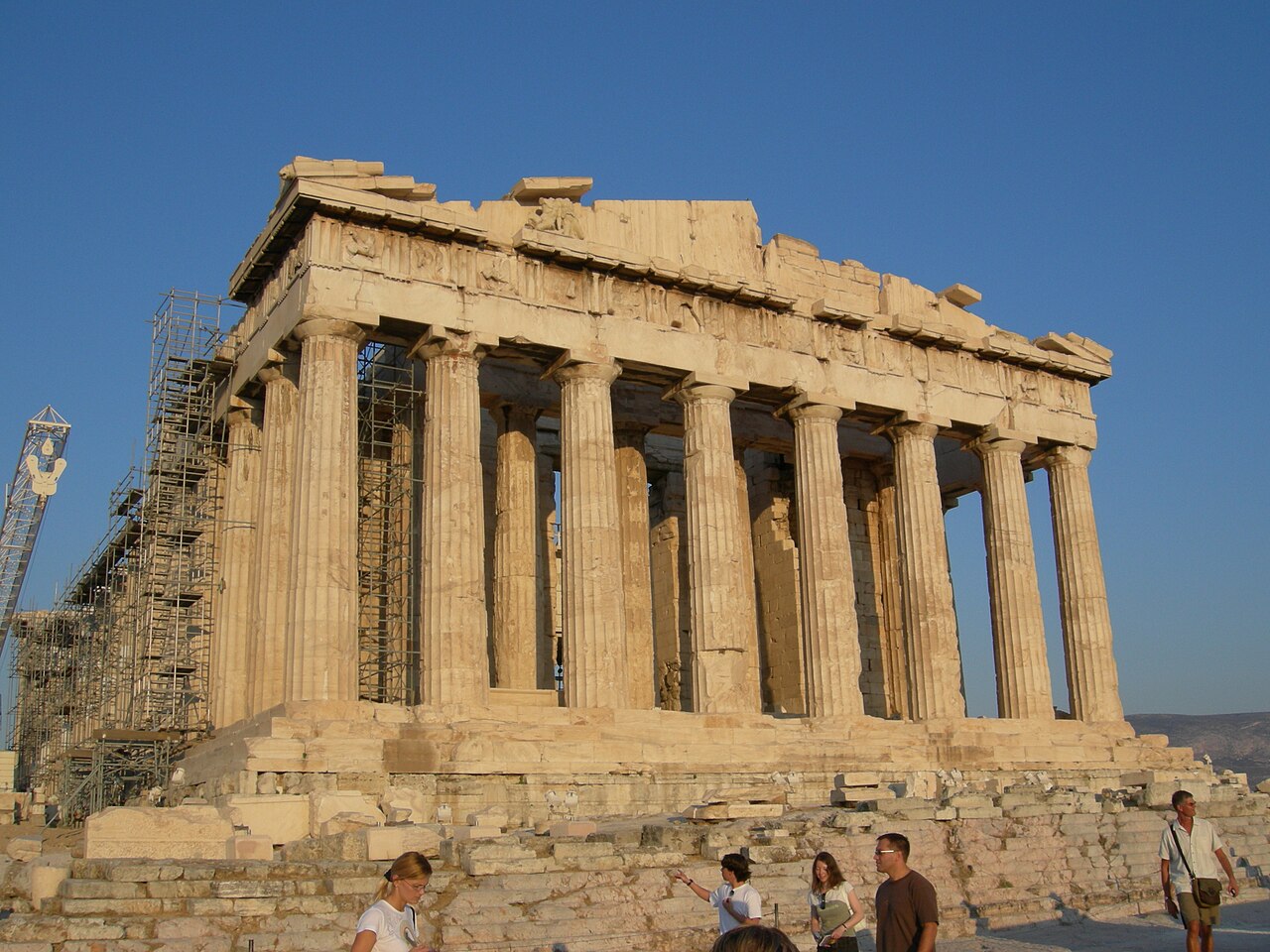
Ancient Greek art, from geometric pottery to classical sculpture and painting, drew extensively on mythological themes to create works that combined religious significance with aesthetic achievement. The mythological scenes depicted on painted pottery provide some of our most important visual evidence for understanding how ancient Greeks visualized their gods and heroes, while the sculptural programs of temples like the Parthenon used mythological narratives to communicate political and religious messages to both divine and human audiences.
Roman adaptations of Greek mythology, while often changing names and emphasizing different themes, transmitted mythological knowledge to later European culture while demonstrating the adaptability of these stories to different cultural contexts. Ovid's Metamorphoses provided medieval and Renaissance writers with accessible versions of mythological stories that emphasized psychological transformation and the power of love, while Virgil's Aeneid created new mythological narratives that connected Roman imperial ideology with traditional Greek heroic themes.
Medieval European literature incorporated mythological themes and characters into Christian allegorical frameworks that reinterpreted pagan stories as prefigurations of Christian truths or as examples of the limitations of human reason without divine revelation. The preservation of mythological knowledge in medieval manuscripts and educational curricula ensured that these stories remained available to later generations while their integration into Christian culture demonstrated their continued relevance for understanding human nature and moral development.
Renaissance art and literature experienced a revival of interest in classical mythology that led to new creative interpretations of traditional stories and the development of new artistic techniques for representing mythological themes. Artists like Botticelli, Titian, and Rubens created masterpieces based on mythological subjects that combined classical themes with contemporary artistic innovations, while writers like Shakespeare and Marlowe incorporated mythological references and structures into works that remain central to the Western literary canon.
Modern literature and popular culture continue to draw on Greek mythological themes and characters, adapting traditional stories to contemporary concerns while creating new versions that speak to current audiences. Writers like Joyce, Eliot, and O'Neill have used mythological structures to organize complex modern narratives, while contemporary films, television shows, and novels regularly employ mythological characters and themes to explore contemporary issues about power, identity, and moral responsibility.
Psychology and Mythology
The development of modern psychology has revealed new dimensions of meaning in Greek mythology, as scholars have recognized that these ancient stories contain sophisticated insights into human psychological development, emotional patterns, and unconscious mental processes that remain relevant for understanding contemporary human behaviour. This psychological approach to mythology has enriched both psychological theory and mythological interpretation while demonstrating the enduring relevance of ancient wisdom for modern life.
Sigmund Freud's identification of the Oedipus complex as a fundamental pattern in human psychological development demonstrated how mythological narratives could illuminate unconscious mental processes that influence individual behaviour throughout life. His interpretation of the Oedipus story as representing the child's unconscious desire to eliminate the same-sex parent and possess the opposite-sex parent provided a framework for understanding neurosis and psychological development that influenced both therapeutic practice and cultural analysis.
Carl Jung's concept of archetypes found rich material in Greek mythology for understanding the universal patterns that characterize human psychological experience across cultures and historical periods. Jungian interpretations of mythological figures like the Great Mother, the Wise Old Man, the Hero, and the Shadow have provided frameworks for understanding personality development and individuation while demonstrating the cross-cultural relevance of mythological themes and characters.
Contemporary psychological approaches to mythology have expanded beyond individual psychology to examine how mythological narratives reflect and influence collective psychological processes, including cultural identity formation, social bonding, and the transmission of values across generations. These approaches have revealed how mythological stories serve psychological functions that complement their religious, educational, and entertainment purposes while demonstrating the importance of narrative thinking for human cognitive and emotional development.
Therapeutic applications of mythological themes have developed various approaches to using mythological narratives in counselling and therapy, helping individuals understand their own experiences through identification with mythological characters and situations. Bibliotherapy, drama therapy, and narrative therapy all employ mythological materials to help clients explore their own psychological patterns and develop new perspectives on their challenges and opportunities.
Research in cognitive psychology has examined how mythological thinking relates to fundamental patterns of human cognition, including pattern recognition, causal attribution, and social understanding. These studies have revealed that mythological narratives employ cognitive structures that remain central to human information processing, suggesting that the appeal and effectiveness of mythological stories derive from their compatibility with basic mental operations rather than simply from cultural tradition or artistic skill.
Modern Adaptations and Popular Culture
Greek mythology continues to exert a powerful influence on contemporary popular culture, with mythological themes, characters, and narratives appearing in literature, film, television, video games, and other media that reach global audiences. These modern adaptations demonstrate both the enduring appeal of ancient stories and their remarkable adaptability to new cultural contexts and technological possibilities.
Contemporary literature has produced numerous retellings and re-imaginings of classical myths that update traditional stories for modern audiences while exploring contemporary themes and concerns. Authors like Rick Riordan have created series that introduce mythological characters to young readers through modern adventure narratives, while writers like Madeline Miller and Jennifer Saint have retold classical stories from female perspectives that highlight previously marginalized voices and experiences.
Film and television have found rich material in Greek mythology for creating visual spectacles that combine action, romance, and moral drama while exploring timeless themes about heroism, love, power, and justice. Movies like "Troy," "300," and the "Wonder Woman" franchise have brought mythological stories to global audiences while adapting them to contemporary sensibilities and production values, demonstrating both the cinematic potential of mythological narratives and their continued relevance for contemporary audiences.
Video games have emerged as a particularly dynamic medium for mythological adaptation, allowing players to inhabit mythological worlds and take on the roles of gods and heroes while making choices that affect narrative outcomes. Games like "God of War," "Assassin's Creed Odyssey," and "Hades" have created immersive mythological experiences that combine traditional stories with interactive gameplay, demonstrating how digital technology can create new forms of mythological engagement.
Comic books and graphic novels have used mythological themes and characters to create ongoing narrative universes that blend classical elements with contemporary storytelling techniques and visual styles. Marvel and DC Comics have incorporated mythological characters like Thor and Wonder Woman into their superhero universes, while independent creators have developed more faithful adaptations that preserve the complexity and moral ambiguity of original mythological narratives.
The globalization of popular culture has led to interesting cross-cultural adaptations of Greek mythology that combine classical Greek elements with other mythological traditions and contemporary cultural contexts. These hybrid creations demonstrate both the universal appeal of mythological themes and the creative possibilities that emerge when different cultural traditions interact and influence each other in contemporary global culture.
Educational and Cultural Significance
Greek mythology continues to play an important role in education and cultural transmission, providing shared reference points for understanding Western literature and art while offering rich material for exploring fundamental questions about human nature, morality, and the meaning of existence. The educational value of mythological studies extends beyond academic knowledge to include personal development and cultural literacy that enhance individual and social understanding.
Classical education has traditionally used mythological texts as vehicles for language learning, cultural literacy, and moral instruction while providing students with the background knowledge necessary for understanding Western literature and art. The study of mythology in its original languages develops linguistic skills while exposure to mythological themes and narratives provides cultural knowledge that enhances appreciation of subsequent literary and artistic works.
Contemporary educational approaches have found new ways to use mythological materials for teaching critical thinking, comparative analysis, and cross-cultural understanding while exploring themes that remain relevant to contemporary life. Mythological narratives provide accessible frameworks for discussing complex philosophical and ethical questions while their multicultural adaptations demonstrate how different societies have interpreted and transformed shared human experiences.
The therapeutic and personal development applications of mythological study have demonstrated how engagement with these ancient stories can promote self-understanding, emotional growth, and moral reflection in contemporary individuals. The psychological sophistication of mythological narratives makes them valuable tools for exploring personal challenges and life transitions while their moral complexity provides frameworks for developing ethical reasoning and moral imagination.
Cultural literacy programs have recognized the importance of mythological knowledge for understanding contemporary culture and communication, as mythological references and allusions continue to appear throughout literature, media, and public discourse. Knowledge of mythological stories and characters enhances comprehension of contemporary cultural products while providing shared vocabulary for discussing universal human experiences and concerns.
The study of mythology also provides valuable preparation for understanding other cultures and their mythological traditions, as comparative mythological analysis reveals both universal patterns and cultural specificities that characterize human meaning-making across different societies and historical periods. This cross-cultural perspective enhances appreciation for human diversity while revealing common themes and concerns that transcend particular cultural boundaries.
Conclusion
Ancient Greek mythology represents one of humanity's greatest achievements in imaginative storytelling and meaning-making, creating narratives that have entertained, instructed, and inspired people for over three millennia while continuing to provide insights into fundamental aspects of human experience that remain as relevant today as they were in ancient Greece. These stories demonstrate the power of mythological thinking to address questions about cosmic order, moral responsibility, and personal development that transcend particular cultural and historical contexts.
The enduring influence of Greek mythology on Western civilization reflects not only the artistic and intellectual sophistication of these ancient stories, but also their remarkable psychological insight and moral complexity, which enable them to speak to contemporary concerns while preserving wisdom from the ancient world. The ongoing adaptation and reinterpretation of mythological themes in contemporary culture demonstrates both the flexibility and the fundamental relevance of these narratives for understanding human nature and social organization.
The study of Greek mythology continues to offer valuable insights for contemporary life, providing frameworks for understanding psychological development, moral reasoning, and cultural transmission while offering rich material for artistic and literary creation. The integration of mythological themes into education, therapy, and popular culture demonstrates the ongoing vitality of these ancient stories and their continued capacity to illuminate human experience across different contexts and applications.
Perhaps most importantly, Greek mythology demonstrates the fundamental human need for stories that provide meaning, moral guidance, and emotional resonance while connecting individuals to larger cosmic and social orders. In an age characterized by rapid change and cultural fragmentation, the stability and wisdom of these ancient narratives continue to provide anchors for understanding human experience while offering models for creating new stories that address contemporary challenges and opportunities.
The legacy of Greek mythology thus extends far beyond its historical significance to encompass its ongoing contribution to human culture and understanding. These stories remind us that the power of imagination, the importance of moral reflection, and the need for meaningful narratives remain central to human flourishing, while their continued adaptation and reinterpretation demonstrate the remarkable capacity of great stories to evolve while preserving their essential insights and appeal. In studying and preserving these ancient treasures, we honour not only the creativity and wisdom of the ancient Greeks, but also the fundamental human capacity for creating meaning through narrative that continues to enrich our lives today.