Philosophy · Ancient Greece
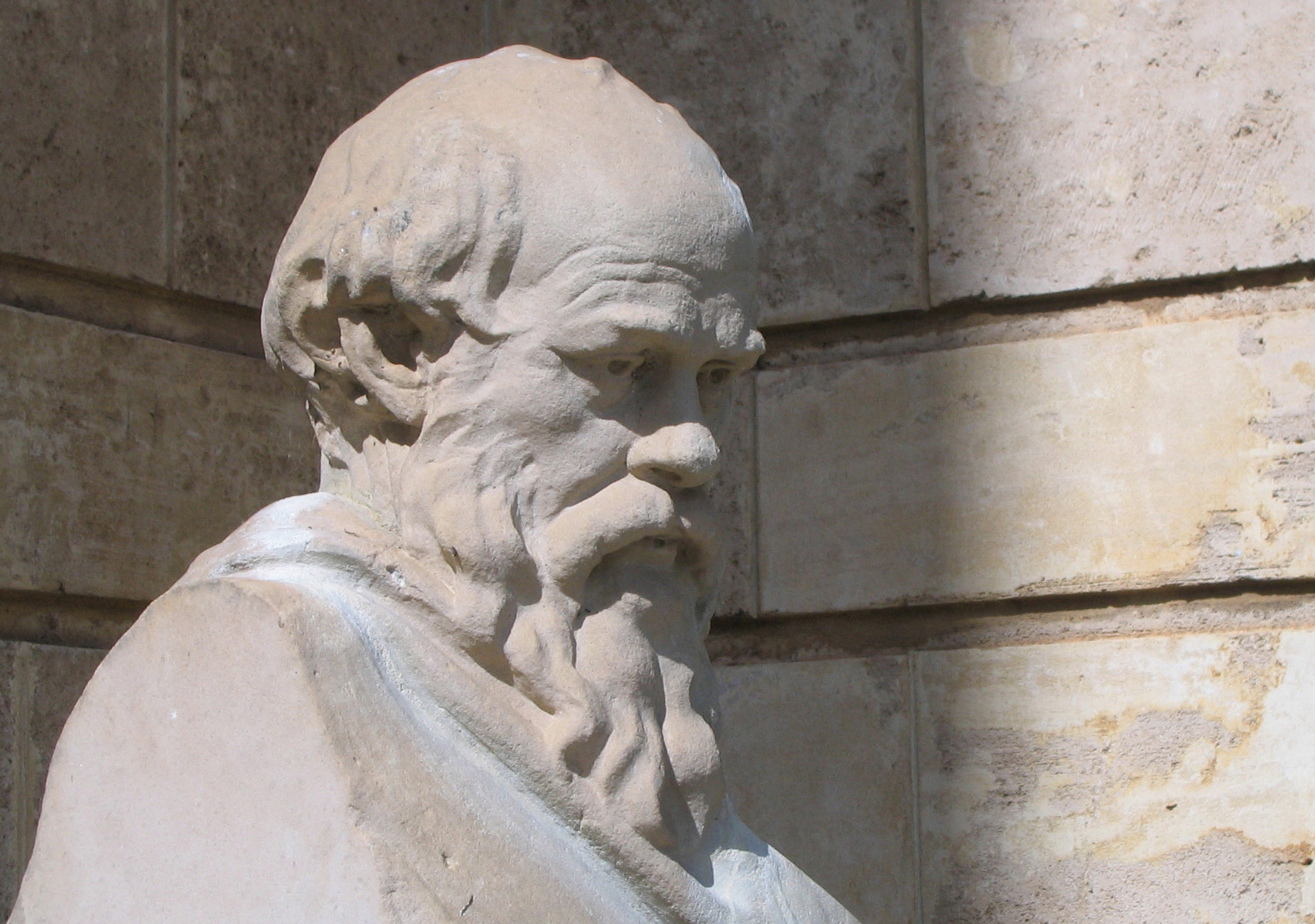
Thales of Miletus, Thales, thales
Thales of Miletus stands as one of history's most revolutionary thinkers, earning recognition as the first philosopher in the Western tradition and the foundational figure who transformed human understanding from mythological expl…
Thales of Miletus stands as one of history's most revolutionary thinkers, earning recognition as the first philosopher in the Western tradition and the foundational figure who transformed human understanding from mythological explanation to rational inquiry. Born in the prosperous Ionian city of Miletus around 624 BCE, Thales initiated a intellectual revolution that would fundamentally alter humanity's approach to understanding the natural world through systematic observation, logical reasoning, and mathematical analysis rather than supernatural explanation and religious tradition.
Introduction
His significance extends far beyond mere chronological priority, encompassing profound contributions to philosophy, mathematics, astronomy, and early scientific methodology that established frameworks for rational investigation and theoretical understanding that continue to influence contemporary scholarship and scientific research. As the first of the Seven Sages of Greece and founder of the Milesian School of philosophy, Thales pioneered approaches to knowledge acquisition that emphasised empirical observation and logical deduction over mythological interpretation and religious authority.
The breadth of Thales's intellectual interests and achievements demonstrates the unified nature of early Greek intellectual inquiry, where philosophy, mathematics, astronomy, and practical engineering formed integrated approaches to understanding reality through systematic investigation and rational analysis that addressed both theoretical questions about the nature of existence and practical problems requiring innovative solutions and technological advancement.
His legacy resonates throughout subsequent Western intellectual development, influencing major philosophical traditions whilst providing foundational concepts for scientific methodology that continue to inform contemporary approaches to research, education, and technological innovation through principles of systematic observation, logical analysis, and evidence-based reasoning that characterise modern academic and scientific culture.
Thales's Life and Historical Context
- c. 624 BCE: Born in Miletus, Ionia (modern-day Turkey)
- c. 585 BCE: Predicted solar eclipse, demonstrating astronomical expertise
- c. 580 BCE: Travelled to Egypt, studying geometry and astronomy
- c. 575 BCE: Established Milesian School of natural philosophy
- c. 560 BCE: Applied mathematics to practical engineering problems
- c. 546 BCE: Died in Miletus, leaving profound intellectual legacy
Historical Background and Cultural Context
Archaic Greece and Ionian Innovation
Thales lived during the Archaic period of Greek history, a time of remarkable cultural and intellectual ferment when Greek civilisation was emerging from the Dark Ages whilst developing distinctive approaches to politics, art, literature, and intellectual inquiry that would profoundly influence subsequent Western culture. The Ionian cities, particularly Miletus, enjoyed unprecedented prosperity through maritime trade and colonial expansion that created cosmopolitan environments conducive to intellectual exchange and cultural innovation through contact with diverse civilisations and knowledge traditions.
Miletus itself represented the pinnacle of Archaic Greek achievement, serving as a major commercial hub that connected the Greek world with Egypt, Mesopotamia, and other advanced civilisations whose mathematical, astronomical, and technological knowledge provided essential resources for Greek intellectual development. This cultural crossroads enabled Thales and his contemporaries to synthesise diverse intellectual traditions whilst developing original approaches that transcended conventional boundaries between practical knowledge and theoretical understanding.
The political environment of Archaic Ionia, characterised by relative freedom from traditional religious and social constraints, created optimal conditions for intellectual innovation and systematic inquiry that might have been suppressed in more conservative cultural contexts. The absence of powerful priestly classes and rigid social hierarchies enabled individual thinkers to pursue independent investigation whilst challenging conventional explanations and developing revolutionary approaches to understanding natural phenomena.
These historical circumstances provided essential foundations for Thales's revolutionary contributions whilst demonstrating how intellectual innovation requires supportive cultural and political environments that encourage systematic inquiry and protect intellectual freedom from social and religious pressure that might constrain creative thinking and innovative research through fear of challenging established authority and conventional wisdom.
The Transition from Mythos to Logos
Thales's historical significance lies primarily in his role as the pivotal figure who initiated the transition from mythological to rational explanation, representing a fundamental shift in human consciousness that abandoned supernatural causation in favour of natural processes and logical reasoning that could be verified through observation and systematic investigation. This intellectual revolution established precedents for all subsequent scientific and philosophical inquiry whilst creating conceptual frameworks that continue to influence contemporary approaches to knowledge and understanding.
Prior to Thales, Greek culture relied primarily on mythological narratives to explain natural phenomena, attributing events to divine intervention and supernatural forces that operated beyond human understanding and rational analysis. His revolutionary approach sought natural causes and underlying principles that could be understood through human reasoning and empirical observation, establishing the foundation for scientific methodology and philosophical investigation that characterises Western intellectual tradition.
This transformation from mythos to logos represented more than mere intellectual curiosity, encompassing fundamental changes in human self-understanding and confidence in rational capability that enabled systematic investigation of natural phenomena and development of theoretical frameworks that enhanced both practical capability and spiritual understanding through integration of empirical observation with logical analysis and mathematical reasoning.
The implications of this intellectual revolution extended far beyond immediate philosophical concerns, influencing subsequent development of democratic political thought, scientific methodology, and educational approaches that emphasised critical thinking and systematic investigation rather than passive acceptance of traditional authority and conventional wisdom that might inhibit intellectual development and cultural advancement through unquestioning adherence to established doctrine.
The Milesian School and Intellectual Community
Thales founded the Milesian School of natural philosophy, creating the first systematic philosophical institution that provided frameworks for collaborative inquiry and intellectual exchange among like-minded investigators committed to rational understanding and empirical research. This pioneering educational institution established precedents for all subsequent academic communities whilst demonstrating how intellectual progress required institutional support and collaborative effort that enhanced individual capability through shared resources and mutual criticism.
The School attracted brilliant students including Anaximander and Anaximenes, who continued Thales's revolutionary approach whilst developing original contributions that advanced natural philosophy and scientific understanding through systematic investigation and theoretical innovation that built upon foundational insights whilst exploring new domains of inquiry and establishing additional frameworks for rational investigation and empirical research.
This intellectual community provided essential support for sustained philosophical and scientific development whilst creating cultural precedents for academic freedom and systematic inquiry that influenced subsequent educational institutions and research communities throughout Western civilisation. The collaborative approach pioneered at Miletus demonstrated how individual genius required supportive social environments and institutional frameworks for optimal development and cultural transmission.
The Milesian School's influence extended throughout the ancient world, inspiring similar institutions and intellectual communities that preserved and developed Greek philosophical traditions whilst adapting rational approaches to diverse cultural contexts and contemporary challenges that required innovative solutions and creative applications of systematic investigation and logical analysis to practical and theoretical problems.
Thales and the Seven Sages
- Wisdom Tradition: Recognised as first among the Seven Sages of Greece
- Practical Wisdom: Combined theoretical knowledge with practical application
- Moral Teaching: Emphasised self-knowledge and ethical conduct
- Social Responsibility: Applied wisdom to community welfare and governance
- Educational Innovation: Established systematic approaches to learning
- Cultural Legacy: Influenced subsequent philosophical and educational traditions
Philosophical Contributions and Revolutionary Insights
Water as the Primary Substance
Thales's most famous philosophical contribution was his revolutionary proposition that water serves as the fundamental substance from which all things are derived, representing the first systematic attempt to explain the diversity of natural phenomena through a single, underlying principle that could be understood through rational analysis rather than supernatural explanation. This groundbreaking insight established the foundation for all subsequent natural philosophy whilst demonstrating how systematic observation and logical reasoning could reveal hidden unities beneath apparent diversity in natural phenomena.
His choice of water as the primary substance reflected sophisticated empirical observation and logical deduction, recognising water's essential role in biological processes, geological formation, and atmospheric phenomena that suggested fundamental connections between diverse natural processes. This insight transcended mere speculation, representing systematic analysis of observable evidence that demonstrated water's unique properties and universal presence in natural transformation and life-sustaining processes.
The philosophical significance of this contribution extends far beyond its specific content, establishing conceptual frameworks for monistic explanation that seeks underlying unity beneath apparent diversity whilst demonstrating how rational investigation could reveal fundamental principles that govern natural phenomena through systematic observation and logical analysis rather than appeal to supernatural intervention and mythological explanation.
This approach influenced all subsequent natural philosophy and scientific investigation, providing methodological precedents for systematic inquiry that seeks natural causes and underlying principles whilst maintaining commitment to empirical observation and rational analysis that characterises modern scientific methodology and theoretical investigation in contemporary research and academic inquiry.
The Principle of Natural Causation
Thales pioneered the revolutionary concept that natural phenomena result from natural causes rather than divine intervention, establishing fundamental principles of scientific methodology that require systematic investigation of observable processes and empirical evidence rather than appeal to supernatural explanation and religious authority. This intellectual breakthrough created conceptual foundations for all subsequent scientific and philosophical inquiry whilst demonstrating human capability for understanding natural processes through rational investigation and systematic observation.
His approach rejected arbitrary divine intervention in favour of consistent natural laws and principles that operate uniformly throughout the natural world, creating frameworks for predictive understanding and practical application that enhanced both theoretical knowledge and technological capability through systematic investigation and empirical research that revealed underlying patterns and causal relationships in natural phenomena.
The emphasis on natural causation established essential foundations for scientific methodology whilst providing philosophical frameworks for understanding human capability and responsibility in investigating and manipulating natural processes for beneficial purposes. This approach influenced subsequent development of experimental methodology and theoretical science that continues to characterise contemporary research and technological innovation through systematic investigation and evidence-based reasoning.
These contributions to causal thinking influenced not only natural philosophy and scientific methodology but also ethical and political thought that emphasised human responsibility and rational choice in moral and social contexts rather than passive acceptance of traditional authority and conventional wisdom that might inhibit moral development and social progress through unquestioning adherence to established customs and religious doctrine.
The Soul and Animation
Thales developed innovative theories about the soul and animation that integrated philosophical and scientific approaches to understanding life and consciousness through systematic observation and rational analysis rather than purely mythological or religious interpretation. His famous assertion that "all things are full of gods" represented sophisticated understanding of natural animation and vital principles that govern biological processes and natural transformation whilst maintaining naturalistic rather than supernatural explanatory frameworks.
His observations of magnetic phenomena led to insights about natural forces and animation that suggested inherent principles of movement and change within natural substances rather than external divine intervention. This approach established foundations for understanding natural processes as self-regulating and inherently dynamic whilst maintaining rational frameworks for investigation and analysis that enhanced both theoretical understanding and practical application.
The integration of soul concepts with natural philosophy represented revolutionary synthesis that avoided both crude materialism and supernatural dualism, creating sophisticated frameworks for understanding life and consciousness as natural phenomena that could be investigated through empirical observation and rational analysis whilst maintaining recognition of their unique and remarkable characteristics that distinguished living from non-living substances.
These contributions influenced subsequent philosophical and scientific development whilst providing conceptual foundations for understanding mind-body relationships and consciousness that continue to inform contemporary neuroscience, psychology, and philosophy of mind through sophisticated approaches that integrate empirical investigation with theoretical analysis and systematic methodology that enhances understanding whilst maintaining appropriate recognition of complexity and mystery.
Thales's Philosophical Innovations
- Monism: Single fundamental substance underlying all reality
- Natural Causation: Natural rather than supernatural explanation
- Rational Inquiry: Systematic investigation and logical analysis
- Empirical Observation: Evidence-based understanding of natural phenomena
- Universal Principles: Consistent laws governing natural processes
- Systematic Methodology: Structured approaches to knowledge acquisition
Mathematical Achievements and Theoretical Innovation
Geometric Principles and Thales's Theorems
Thales's mathematical contributions established fundamental principles of geometry that continue to influence contemporary mathematical education and theoretical development through systematic investigation of spatial relationships and logical proof that demonstrated how abstract reasoning could reveal universal mathematical truths that transcend particular circumstances and cultural contexts. His geometric theorems represented the first systematic application of logical demonstration to mathematical propositions whilst creating frameworks for rigorous proof that enhanced both practical application and theoretical understanding.
The famous theorem bearing his name - that any triangle inscribed in a semicircle with the diameter as one side must be a right triangle - exemplifies his approach to mathematical discovery through systematic investigation and logical demonstration that revealed universal relationships independent of particular measurement or cultural interpretation. This achievement established precedents for mathematical proof and theoretical investigation that influenced all subsequent geometric development and mathematical methodology.
His geometric principles included fundamental insights about circle properties, angle relationships, and similar triangles that provided essential foundations for subsequent mathematical development whilst demonstrating how abstract reasoning could enhance practical application and technological innovation through systematic understanding of spatial relationships and proportional reasoning that served both theoretical and practical purposes.
These mathematical contributions influenced educational methodology and theoretical development whilst providing practical tools for engineering, navigation, and architectural design that enhanced both cultural achievement and technological capability through systematic application of geometric principles and mathematical reasoning that connected abstract understanding with practical utility and technological innovation through disciplined mathematical investigation.
Practical Mathematics and Engineering Applications
Thales demonstrated remarkable ability to apply mathematical principles to practical engineering and commercial problems, including famous episodes where he calculated the height of pyramids using shadow measurements and geometric principles whilst developing innovative approaches to navigation and surveying that enhanced both commercial and technological capability through systematic application of mathematical knowledge and empirical observation to real-world challenges and opportunities.
His engineering expertise enabled him to divert the course of rivers and solve complex practical problems through mathematical analysis and geometric understanding that demonstrated how abstract theoretical knowledge could serve practical purposes whilst enhancing both individual capability and community welfare through innovative technological solutions and systematic problem-solving approaches that integrated mathematical reasoning with empirical observation.
The commercial applications of his mathematical expertise included successful business ventures where he applied geometric principles and empirical observation to predict agricultural yields and make profitable investments, demonstrating how systematic knowledge and rational analysis could enhance economic success whilst providing practical validation for theoretical understanding and mathematical methodology through successful application to real-world challenges.
These practical applications influenced subsequent development of engineering and applied mathematics whilst providing models for integrating theoretical knowledge with practical utility that enhanced both individual achievement and cultural development through systematic application of mathematical principles and empirical observation to technological innovation and economic development that served both personal and community welfare.
Mathematical Methodology and Logical Proof
Thales pioneered systematic approaches to mathematical proof that established essential foundations for rigorous demonstration and logical reasoning in mathematical investigation whilst creating frameworks for theoretical development that enhanced both understanding and practical application through disciplined analytical methods and systematic investigation of mathematical relationships and proportional reasoning that revealed universal principles and consistent patterns.
His methodological innovations included systematic use of geometric construction and logical deduction to demonstrate mathematical propositions whilst developing approaches to proof that influenced all subsequent mathematical development through emphasis on rigorous demonstration and systematic investigation rather than mere empirical observation or traditional authority that might lack logical foundation and systematic verification through independent investigation and analytical reasoning.
The integration of empirical observation with logical demonstration created sophisticated approaches to mathematical knowledge that balanced practical utility with theoretical rigor whilst maintaining commitment to systematic investigation and rational analysis that enhanced both understanding and application through disciplined methodology and careful verification of mathematical propositions and geometric relationships.
These methodological contributions influenced educational approaches and theoretical development whilst providing frameworks for mathematical investigation that continue to characterise contemporary research and pedagogical practice through emphasis on logical proof, systematic investigation, and rigorous demonstration that enhances both individual understanding and collective mathematical knowledge through collaborative investigation and critical analysis of mathematical propositions and theoretical frameworks.
Thales's Mathematical Legacy
- Geometric Theorems: Fundamental principles of circle and triangle geometry
- Logical Proof: Systematic demonstration of mathematical propositions
- Practical Application: Engineering solutions and commercial success
- Measurement Techniques: Innovative approaches to surveying and calculation
- Proportional Reasoning: Similar triangles and geometric relationships
- Mathematical Education: Systematic approaches to learning and instruction
Astronomical Observations and Scientific Prediction
The Eclipse Prediction of 585 BCE
Thales's successful prediction of the solar eclipse on 28 May 585 BCE represents one of the most remarkable achievements in early scientific history, demonstrating how systematic observation and mathematical calculation could enable accurate prediction of natural phenomena that had previously been attributed to divine intervention and supernatural forces. This extraordinary accomplishment established his reputation throughout the ancient world whilst providing dramatic evidence for the power of rational investigation and empirical methodology in understanding and predicting natural processes.
The historical significance of this prediction extends far beyond mere technical achievement, representing a fundamental demonstration that natural phenomena follow consistent patterns and mathematical relationships that can be understood and predicted through human reasoning and systematic observation rather than divine revelation or supernatural insight. This achievement profoundly influenced ancient attitudes toward natural phenomena and human intellectual capability whilst establishing precedents for scientific prediction and theoretical understanding.
According to historical accounts, the eclipse occurred during a battle between the Lydians and Medes, who interpreted the sudden darkness as divine intervention and immediately ceased hostilities to negotiate peace terms. This dramatic event demonstrated how scientific knowledge could influence political and military affairs whilst providing compelling evidence for the practical utility and social significance of systematic natural investigation and accurate prediction of natural phenomena.
The technical aspects of this prediction required sophisticated understanding of lunar and solar cycles, mathematical calculation of orbital relationships, and systematic observation of celestial patterns that demonstrated Thales's remarkable intellectual capabilities whilst establishing frameworks for astronomical investigation and mathematical prediction that influenced subsequent development of scientific methodology and theoretical understanding throughout ancient and modern civilisation.
Astronomical Theory and Celestial Mechanics
Thales developed systematic approaches to astronomical observation and theoretical understanding that established fundamental principles for mathematical astronomy whilst demonstrating how empirical investigation and logical reasoning could reveal consistent patterns and mathematical relationships in celestial phenomena that enabled both practical navigation and theoretical understanding of cosmic organisation and natural processes that govern planetary movement and stellar behaviour.
His astronomical theories included insights about the relationship between earth, moon, and sun that enabled accurate prediction whilst providing frameworks for understanding seasonal changes, tidal phenomena, and navigational orientation that enhanced both practical capability and theoretical knowledge through systematic investigation of celestial patterns and mathematical relationships that revealed underlying order and consistency in natural phenomena.
The integration of mathematical calculation with empirical observation created sophisticated approaches to astronomical investigation that influenced subsequent development of scientific methodology whilst providing practical tools for navigation, agriculture, and calendar development that enhanced both individual capability and cultural achievement through systematic understanding and predictive knowledge of natural cycles and celestial phenomena.
These astronomical contributions established essential foundations for scientific astronomy whilst demonstrating how systematic investigation and mathematical reasoning could enhance human understanding and practical capability through disciplined observation and theoretical analysis that revealed natural patterns and mathematical relationships that continue to inform contemporary astronomical research and space exploration through sophisticated technological applications and theoretical development.
Navigation and Practical Astronomy
Thales's expertise in practical astronomy enabled significant improvements in navigation and maritime technology that enhanced Greek commercial and colonial expansion whilst demonstrating how theoretical knowledge could serve practical purposes through systematic application of astronomical observation and mathematical calculation to real-world challenges and commercial opportunities that required accurate orientation and timing for successful completion and economic advantage.
His navigational innovations included improved methods for determining direction and location using stellar observation and mathematical calculation whilst developing techniques for seasonal timing and weather prediction that enhanced both commercial success and safety for maritime ventures through systematic understanding of natural patterns and celestial relationships that enabled more accurate and efficient navigation and transportation.
The commercial applications of astronomical knowledge enabled more efficient trade routes and agricultural planning whilst providing competitive advantages for Greek merchants and colonists who could navigate more accurately and time their activities more effectively through systematic understanding of seasonal changes and celestial patterns that enhanced both economic success and cultural expansion through technological superiority and systematic knowledge.
These practical applications influenced subsequent development of navigation technology and maritime commerce whilst providing models for applying scientific knowledge to economic and technological development that enhanced both individual achievement and cultural advancement through systematic investigation and practical application of astronomical observation and mathematical calculation to contemporary challenges and opportunities that required innovative solutions and systematic methodology.
Thales's Astronomical Contributions
- Eclipse Prediction: Accurate forecast of 585 BCE solar eclipse
- Celestial Mechanics: Understanding of lunar and solar cycles
- Navigation Techniques: Stellar observation and mathematical calculation
- Calendar Development: Seasonal timing and agricultural planning
- Systematic Observation: Empirical methodology and pattern recognition
- Mathematical Astronomy: Quantitative approaches to celestial phenomena
Scientific Methodology and Rational Investigation
Empirical Observation and Systematic Investigation
Thales pioneered systematic approaches to empirical observation that established fundamental principles of scientific methodology through disciplined investigation and careful documentation of natural phenomena that revealed consistent patterns and causal relationships. His methodological innovations emphasised systematic data collection and comparative analysis that enhanced both theoretical understanding and practical application through rigorous investigation and logical reasoning that transcended cultural prejudice and traditional assumption.
His observational techniques included careful measurement and systematic recording of natural phenomena whilst developing frameworks for comparative analysis and pattern recognition that enabled identification of underlying principles and causal relationships that governed natural processes. This systematic approach established precedents for scientific methodology whilst demonstrating how disciplined investigation could reveal natural laws and mathematical relationships that enhanced both understanding and predictive capability.
The integration of observation with logical analysis created sophisticated approaches to knowledge acquisition that balanced empirical evidence with theoretical reasoning whilst maintaining commitment to systematic verification and independent confirmation of experimental results and theoretical propositions through collaborative investigation and critical analysis that enhanced both individual understanding and collective knowledge development through systematic methodology and rigorous investigation.
These methodological contributions influenced all subsequent scientific development whilst providing frameworks for systematic investigation that continue to characterise contemporary research methodology and experimental design through emphasis on empirical evidence, logical reasoning, and systematic verification that enhances both theoretical understanding and practical application through disciplined investigation and collaborative research that serves both individual achievement and cultural advancement.
Hypothesis Formation and Testing
Thales developed innovative approaches to hypothesis formation and systematic testing that established essential frameworks for scientific reasoning whilst demonstrating how theoretical propositions could be evaluated through empirical investigation and logical analysis that enhanced both understanding and practical capability through systematic methodology and rigorous verification of theoretical claims and experimental predictions that revealed natural patterns and causal relationships.
His approach to hypothesis testing included systematic comparison of theoretical predictions with observational evidence whilst developing criteria for evaluating competing explanations and theoretical frameworks through logical analysis and empirical verification that enhanced both individual understanding and collective knowledge development through collaborative investigation and critical analysis of theoretical propositions and experimental results that served both immediate practical needs and long-term theoretical advancement.
The methodological sophistication of Thales's approach to scientific investigation demonstrated remarkable intellectual maturity whilst establishing precedents for systematic inquiry and rigorous evaluation of theoretical claims through empirical evidence and logical reasoning that influenced subsequent development of scientific methodology and experimental design through emphasis on systematic verification and independent confirmation of research results and theoretical propositions.
These contributions to scientific methodology provided essential foundations for systematic investigation whilst creating frameworks for knowledge acquisition that continue to inform contemporary research practice and experimental design through emphasis on empirical evidence, logical reasoning, and systematic verification that enhances both individual capability and collective understanding through collaborative investigation and critical analysis that serves both theoretical advancement and practical application.
Integration of Theory and Practice
Thales demonstrated remarkable ability to integrate theoretical knowledge with practical application whilst showing how systematic understanding could enhance both intellectual achievement and technological capability through disciplined investigation and innovative problem-solving that addressed both immediate practical needs and long-term theoretical development through systematic methodology and creative application of scientific principles and mathematical reasoning to real-world challenges and opportunities.
His approach to applied science included systematic development of technological innovations and engineering solutions whilst maintaining commitment to theoretical understanding and systematic investigation that enhanced both practical utility and intellectual achievement through integration of empirical observation with logical reasoning and mathematical calculation that served both immediate goals and long-term advancement of knowledge and capability.
The synthesis of theoretical and practical concerns created comprehensive approaches to scientific investigation that balanced immediate utility with long-term understanding whilst demonstrating how systematic knowledge could serve both individual achievement and community welfare through innovative solutions and technological advancement that enhanced both cultural development and practical capability through disciplined investigation and creative application.
These contributions to applied science and technological innovation influenced subsequent development of engineering and practical methodology whilst providing models for integrating theoretical knowledge with practical application that continue to characterise contemporary research and development through emphasis on both theoretical understanding and practical utility that serves immediate needs whilst advancing long-term knowledge and technological capability through systematic investigation and innovative application.
Thales's Scientific Methodology
- Systematic Observation: Disciplined empirical investigation and data collection
- Logical Reasoning: Rational analysis and theoretical development
- Hypothesis Testing: Systematic evaluation of theoretical propositions
- Pattern Recognition: Identification of natural laws and relationships
- Applied Research: Integration of theory with practical application
- Collaborative Inquiry: Community-based investigation and knowledge sharing
The Seven Sages and Wisdom Tradition
Leadership Among the Sages
Thales's recognition as the preeminent figure among the Seven Sages of Greece reflects not only his intellectual achievements but also his practical wisdom and moral leadership that influenced both individual development and community welfare through systematic application of philosophical understanding and ethical insight to contemporary challenges and social responsibilities. His position among the Sages demonstrated how intellectual excellence could enhance rather than replace practical wisdom and social responsibility through integration of theoretical knowledge with moral understanding.
The tradition of the Seven Sages represented early Greek attempts to identify and honour individuals whose wisdom and practical judgment enhanced community welfare whilst providing moral guidance and intellectual leadership that served both immediate social needs and long-term cultural development through systematic application of philosophical understanding and ethical reasoning to political and social challenges that required innovative solutions and moral courage.
Thales's contributions to this wisdom tradition included both practical advice and theoretical insights that demonstrated how philosophical understanding could enhance moral judgment and social responsibility whilst providing frameworks for ethical reasoning and practical decision-making that served both individual development and community welfare through systematic application of rational principles and empirical observation to moral and social challenges.
His leadership among the Sages influenced subsequent development of philosophical education and moral instruction whilst providing models for integrating intellectual achievement with practical wisdom and social responsibility that continue to inform educational approaches and leadership development through emphasis on both theoretical understanding and practical application that serves both individual achievement and collective welfare through systematic investigation and ethical reasoning.
Moral Philosophy and Ethical Teaching
Thales developed systematic approaches to moral philosophy and ethical instruction that integrated theoretical understanding with practical wisdom whilst demonstrating how rational investigation could enhance moral judgment and ethical decision-making through systematic analysis of human nature, social responsibility, and individual development that addressed both immediate practical needs and long-term moral and spiritual advancement through disciplined ethical reasoning and systematic moral education.
His ethical teachings emphasised the importance of self-knowledge and systematic moral development whilst providing frameworks for understanding human responsibility and social obligation that enhanced both individual character and community welfare through rational approaches to moral education and ethical reasoning that transcended conventional social custom and religious authority through independent moral investigation and systematic ethical analysis.
The integration of philosophical understanding with moral instruction created comprehensive approaches to human development that balanced intellectual achievement with character formation whilst demonstrating how systematic knowledge could enhance rather than replace traditional values and moral understanding through creative synthesis that preserved essential wisdom whilst enabling innovative approaches to moral and social challenges.
These contributions to moral philosophy influenced subsequent ethical development whilst providing frameworks for understanding human nature and social responsibility that continue to inform contemporary moral reasoning and ethical education through emphasis on systematic investigation, rational analysis, and practical application that enhances both individual development and collective welfare through disciplined moral reasoning and ethical reflection.
Political Wisdom and Social Leadership
Thales applied philosophical understanding and systematic reasoning to political and social challenges whilst demonstrating how intellectual achievement could enhance community welfare and social development through innovative solutions and practical wisdom that addressed both immediate political needs and long-term social advancement through rational analysis and systematic investigation of political organisation and social cooperation that served both individual freedom and collective prosperity.
His political contributions included practical advice and strategic thinking that influenced both local governance and international relations whilst providing frameworks for understanding political organisation and social cooperation that enhanced both stability and justice through systematic application of rational principles and empirical observation to political challenges and social opportunities that required innovative solutions and moral leadership.
The application of systematic reasoning to political problems demonstrated how philosophical understanding could enhance rather than replace practical political wisdom whilst providing frameworks for rational analysis and systematic investigation of social organisation and political cooperation that served both immediate practical needs and long-term cultural development through innovative approaches to governance and social coordination.
These political contributions influenced subsequent development of democratic theory and practical governance whilst providing models for applying philosophical understanding to social and political challenges that continue to inform contemporary political reasoning and social organisation through emphasis on rational analysis, systematic investigation, and ethical reasoning that enhances both individual freedom and collective welfare through disciplined political thinking and social innovation.
Thales's Wisdom and Social Contributions
- Moral Leadership: Practical wisdom and ethical guidance for community welfare
- Self-Knowledge: Systematic understanding of human nature and potential
- Social Responsibility: Integration of individual achievement with community service
- Political Innovation: Rational approaches to governance and social organisation
- Educational Reform: Systematic approaches to learning and character development
- Cultural Advancement: Leadership in intellectual and moral development
Influence on Later Philosophy and Science
The Presocratic Tradition
Thales's revolutionary approach to natural philosophy established essential foundations for all subsequent Presocratic investigation whilst inspiring brilliant successors including Anaximander and Anaximenes who continued his systematic approach to natural investigation whilst developing original contributions that advanced philosophical understanding and scientific methodology through creative application of rational principles and empirical observation to theoretical and practical challenges that enhanced both individual achievement and cultural advancement.
His influence on Anaximander included methodological approaches and theoretical frameworks that enabled sophisticated cosmological speculation and systematic investigation of natural processes whilst providing conceptual foundations for understanding change, causation, and natural law that enhanced both theoretical understanding and practical application through disciplined investigation and innovative theoretical development that addressed both immediate questions and long-term philosophical challenges.
The development of Milesian natural philosophy through successive generations demonstrated how intellectual innovation required both individual genius and institutional continuity that preserved and transmitted essential insights whilst enabling creative development and theoretical advancement through collaborative investigation and systematic methodology that enhanced both understanding and practical capability through disciplined research and innovative application of philosophical principles.
These contributions to Presocratic philosophy influenced all subsequent philosophical development whilst establishing frameworks for systematic investigation and theoretical analysis that continue to inform contemporary philosophical and scientific research through emphasis on rational inquiry, empirical observation, and systematic methodology that enhances both individual understanding and collective knowledge development through collaborative investigation and critical analysis.
Classical Philosophy and Systematic Thinking
Thales's methodological innovations profoundly influenced classical philosophy through establishing precedents for systematic investigation and rational analysis that shaped the development of Platonic idealism, Aristotelian logic, and subsequent philosophical traditions that built upon his foundational insights whilst developing sophisticated theoretical frameworks and systematic methodologies that enhanced both individual understanding and cultural achievement through disciplined investigation and innovative theoretical development.
His emphasis on natural causation and rational explanation influenced Platonic approaches to understanding reality and knowledge whilst providing methodological foundations for systematic investigation and logical reasoning that enhanced theoretical development and practical application through disciplined analysis and systematic verification of philosophical propositions and theoretical claims that addressed both immediate intellectual challenges and long-term philosophical advancement.
The Aristotelian tradition incorporated Thalesian emphasis on empirical observation and systematic investigation whilst developing sophisticated approaches to logical reasoning and scientific methodology that enhanced both theoretical understanding and practical capability through comprehensive frameworks that integrated empirical evidence with logical analysis and systematic verification of theoretical propositions and experimental predictions.
These influences on classical philosophy established essential foundations for Western intellectual tradition whilst providing methodological approaches and theoretical frameworks that continue to inform contemporary philosophical research and academic investigation through emphasis on rational inquiry, systematic methodology, and empirical evidence that enhances both individual understanding and collective knowledge development through disciplined investigation and collaborative research.
Scientific Revolution and Modern Methodology
Thales's pioneering emphasis on empirical observation and systematic investigation anticipated many essential features of modern scientific methodology whilst establishing precedents for rational inquiry and evidence-based reasoning that profoundly influenced the Scientific Revolution and subsequent development of experimental science through methodological approaches that emphasised systematic observation, logical reasoning, and mathematical calculation over traditional authority and conventional wisdom.
His integration of theoretical understanding with practical application provided models for applied science and technological innovation that influenced Renaissance and Enlightenment approaches to scientific investigation whilst demonstrating how systematic knowledge could enhance both individual capability and cultural advancement through innovative solutions and technological development that served both immediate practical needs and long-term scientific advancement.
The emphasis on natural causation and mathematical relationships established conceptual foundations for modern physics and scientific methodology whilst providing frameworks for systematic investigation and theoretical development that enhanced both understanding and practical application through disciplined research and innovative application of scientific principles to technological and social challenges that required systematic methodology and evidence-based reasoning.
These contributions to scientific development continue to influence contemporary research methodology and technological innovation whilst providing essential foundations for understanding the relationship between theoretical knowledge and practical application that serves both individual achievement and collective welfare through systematic investigation and innovative problem-solving that addresses both immediate challenges and long-term advancement of knowledge and capability.
Thales's Enduring Influence
- Presocratic Philosophy: Foundation for natural philosophy and rational inquiry
- Classical Tradition: Influence on Plato, Aristotle, and systematic thinking
- Scientific Method: Empirical observation and systematic investigation
- Mathematical Reasoning: Logical proof and geometric principles
- Educational Innovation: Systematic approaches to learning and instruction
- Modern Science: Precedents for contemporary research methodology
Legacy in Education and Intellectual Culture
Educational Innovation and Systematic Learning
Thales's establishment of the Milesian School created the first systematic educational institution devoted to philosophical and scientific inquiry whilst pioneering approaches to collaborative learning and intellectual development that influenced all subsequent academic institutions through emphasis on systematic methodology, critical thinking, and empirical investigation that enhanced both individual capability and collective knowledge development through disciplined research and innovative educational approaches.
His educational methodology emphasised systematic investigation and logical reasoning whilst providing frameworks for understanding the relationship between theoretical knowledge and practical application that enhanced both intellectual achievement and character development through comprehensive approaches that balanced academic excellence with moral education and social responsibility that served both individual fulfillment and community welfare.
The institutional frameworks developed at Miletus provided models for academic freedom and collaborative inquiry whilst demonstrating how educational institutions could serve both individual development and cultural advancement through systematic approaches to knowledge acquisition and intellectual development that preserved traditional wisdom whilst encouraging innovative thinking and creative investigation that addressed both immediate educational needs and long-term cultural advancement.
These educational innovations influenced subsequent development of universities and academic institutions whilst providing frameworks for systematic learning and intellectual development that continue to inform contemporary educational practice through emphasis on critical thinking, empirical investigation, and systematic methodology that enhances both individual achievement and collective knowledge development through collaborative research and innovative educational approaches.
Intellectual Culture and Academic Tradition
Thales's contributions to intellectual culture established essential foundations for academic tradition and scholarly investigation whilst demonstrating how systematic knowledge could enhance cultural achievement and social development through disciplined inquiry and innovative thinking that addressed both theoretical questions and practical challenges whilst maintaining commitment to rational analysis and empirical evidence that enhanced both understanding and practical capability.
His influence on intellectual culture included establishment of principles for academic freedom and systematic investigation whilst providing frameworks for understanding the relationship between individual achievement and collective welfare that enhanced both personal development and social advancement through educational approaches that balanced intellectual excellence with moral responsibility and social service that served both individual fulfillment and community prosperity.
The cultural impact of Thalesian approaches to knowledge and investigation extended beyond immediate academic concerns whilst influencing broader social attitudes toward learning, innovation, and intellectual development that enhanced cultural sophistication and social progress through systematic approaches to education and intellectual development that preserved traditional values whilst encouraging creative thinking and innovative problem-solving.
These contributions to intellectual culture continue to influence contemporary academic institutions and scholarly investigation whilst providing essential frameworks for understanding the relationship between theoretical knowledge and practical application that serves both individual achievement and collective welfare through systematic investigation and innovative educational approaches that enhance both understanding and practical capability through disciplined research and collaborative inquiry.
Contemporary Relevance and Modern Applications
Thales's emphasis on systematic investigation and rational analysis continues to inform contemporary educational approaches and scientific methodology whilst providing frameworks for understanding the relationship between theoretical knowledge and practical application that enhances both individual capability and collective achievement through disciplined investigation and innovative problem-solving that addresses both immediate challenges and long-term advancement of knowledge and understanding.
Modern scientific education incorporates Thalesian principles through emphasis on empirical observation, logical reasoning, and systematic methodology whilst providing frameworks for understanding natural phenomena and mathematical relationships that enhance both theoretical understanding and practical application through disciplined research and innovative technological development that serves both individual achievement and social advancement.
Contemporary approaches to interdisciplinary investigation and collaborative research reflect Thalesian integration of diverse knowledge domains whilst demonstrating how systematic understanding can enhance both individual capability and collective welfare through innovative solutions and technological advancement that addresses both immediate practical needs and long-term cultural development through systematic methodology and evidence-based reasoning.
The continuing relevance of Thalesian approaches to knowledge and investigation demonstrates the enduring value of systematic inquiry and rational analysis whilst providing inspiration for contemporary educational reform and scientific advancement through emphasis on critical thinking, empirical evidence, and systematic methodology that enhances both individual achievement and collective understanding through collaborative investigation and innovative application of knowledge and principles.
Thales's Educational and Cultural Legacy
- Academic Institutions: Models for systematic learning and scholarly investigation
- Scientific Education: Emphasis on empirical observation and logical reasoning
- Critical Thinking: Systematic analysis and evidence-based reasoning
- Interdisciplinary Study: Integration of diverse knowledge domains
- Collaborative Research: Community-based investigation and knowledge sharing
- Innovation Culture: Encouragement of creative thinking and problem-solving
Modern Relevance and Contemporary Applications
Scientific Research and Technological Innovation
Contemporary scientific research continues to apply Thalesian principles of systematic observation, rational analysis, and empirical investigation whilst developing sophisticated methodologies and technological capabilities that enhance both theoretical understanding and practical application through disciplined research and innovative problem-solving that addresses both immediate challenges and long-term advancement of knowledge and technological capability through collaborative investigation and systematic methodology.
Modern technological innovation reflects Thalesian integration of theoretical knowledge with practical application whilst demonstrating how systematic understanding can enhance both individual capability and collective welfare through creative solutions and technological advancement that serves both immediate practical needs and long-term cultural development through disciplined investigation and innovative application of scientific principles and mathematical reasoning.
The development of contemporary research institutions and collaborative scientific communities demonstrates continuing relevance of Thalesian approaches to knowledge acquisition and intellectual development whilst providing frameworks for systematic investigation and evidence-based reasoning that enhances both individual achievement and collective understanding through collaborative research and innovative application of knowledge and principles to contemporary challenges and opportunities.
These modern applications of Thalesian principles continue to influence scientific methodology and technological development whilst providing essential frameworks for understanding the relationship between theoretical knowledge and practical application that serves both immediate needs and long-term advancement of human capability and cultural achievement through systematic investigation and innovative problem-solving that addresses both individual and collective welfare.
Educational Reform and Critical Thinking
Contemporary educational reform movements incorporate Thalesian emphasis on systematic investigation and rational analysis whilst developing innovative approaches to learning and instruction that enhance both individual capability and collective understanding through disciplined inquiry and critical thinking that addresses both immediate educational needs and long-term intellectual development through systematic methodology and evidence-based reasoning that serves both personal fulfillment and social advancement.
Modern approaches to scientific education reflect Thalesian integration of empirical observation with logical reasoning whilst providing frameworks for understanding natural phenomena and mathematical relationships that enhance both theoretical knowledge and practical capability through systematic investigation and innovative application of scientific principles to contemporary challenges and opportunities that require creative problem-solving and disciplined methodology.
The emphasis on critical thinking and evidence-based reasoning in contemporary education demonstrates continuing relevance of Thalesian approaches to knowledge acquisition whilst providing frameworks for systematic analysis and rational investigation that enhances both individual intellectual development and collective cultural advancement through disciplined inquiry and innovative educational approaches that serve both immediate learning goals and long-term intellectual sophistication.
These educational applications continue to influence contemporary pedagogical practice and curricular development whilst providing essential foundations for understanding the relationship between systematic knowledge and practical capability that enhances both individual achievement and collective welfare through innovative educational approaches and systematic methodology that addresses both immediate educational needs and long-term cultural development.
Interdisciplinary Integration and Collaborative Research
Contemporary approaches to interdisciplinary investigation and collaborative research reflect Thalesian integration of diverse knowledge domains whilst demonstrating how systematic understanding can transcend artificial academic boundaries through innovative methodology and collaborative investigation that enhances both theoretical understanding and practical application through disciplined research that addresses complex contemporary challenges requiring multiple perspectives and integrated solutions.
Modern research communities incorporate Thalesian principles of systematic investigation and rational analysis whilst developing sophisticated approaches to collaborative inquiry and knowledge sharing that enhance both individual capability and collective understanding through disciplined methodology and evidence-based reasoning that serves both immediate research goals and long-term advancement of knowledge and cultural achievement through innovative approaches and systematic investigation.
The development of contemporary approaches to complex problem-solving demonstrates continuing relevance of Thalesian integration of theoretical knowledge with practical application whilst providing frameworks for systematic investigation and innovative solutions that address both immediate challenges and long-term advancement of human capability and cultural development through collaborative research and interdisciplinary methodology that serves both individual achievement and collective welfare.
These contemporary applications of Thalesian principles continue to influence research methodology and academic organisation whilst providing essential foundations for understanding how systematic investigation and rational analysis can enhance both individual achievement and collective understanding through collaborative inquiry and innovative application of knowledge and principles to contemporary challenges that require systematic methodology and evidence-based reasoning.
Contemporary Applications of Thalesian Principles
- Scientific Research: Empirical methodology and systematic investigation
- Technological Innovation: Integration of theory with practical application
- Educational Reform: Critical thinking and evidence-based learning
- Interdisciplinary Studies: Integration of diverse knowledge domains
- Collaborative Research: Community-based investigation and knowledge sharing
- Problem-Solving: Systematic analysis and innovative solutions
"The most difficult thing in life is to know yourself." - Attributed to Thales of Miletus
Conclusion
Thales of Miletus stands as a transformative figure whose revolutionary contributions to philosophy, mathematics, astronomy, and scientific methodology established essential foundations for Western intellectual tradition whilst demonstrating how systematic investigation and rational analysis could enhance both theoretical understanding and practical capability through disciplined inquiry and innovative problem-solving that addressed both immediate challenges and long-term advancement of knowledge and cultural achievement.
His pioneering transition from mythological to natural explanation represents one of the most significant intellectual revolutions in human history, establishing conceptual frameworks for scientific methodology and philosophical investigation that continue to inform contemporary research and educational practice through emphasis on empirical observation, logical reasoning, and systematic verification that enhances both individual achievement and collective understanding through collaborative inquiry and critical analysis.
The breadth and depth of Thales's contributions demonstrate remarkable intellectual integration that transcended artificial boundaries between theoretical knowledge and practical application whilst showing how systematic understanding could serve both individual development and community welfare through innovative solutions and technological advancement that enhanced both cultural achievement and practical capability through disciplined investigation and creative application of knowledge and principles.
His establishment of the Milesian School created essential precedents for academic institutions and collaborative research that influenced all subsequent educational development whilst providing frameworks for systematic learning and intellectual development that balanced individual achievement with social responsibility through comprehensive approaches that enhanced both personal fulfillment and collective advancement through disciplined inquiry and innovative educational methodology.
The mathematical and astronomical achievements of Thales established fundamental principles and methodological approaches that continue to influence contemporary scientific research whilst demonstrating how abstract theoretical knowledge could enhance practical capability and technological innovation through systematic application of mathematical reasoning and empirical observation to real-world challenges and opportunities that required innovative solutions and systematic methodology.
His role among the Seven Sages demonstrates how intellectual excellence could enhance rather than replace practical wisdom and moral leadership whilst providing frameworks for understanding the relationship between systematic knowledge and ethical responsibility that serves both individual character development and community welfare through integration of theoretical understanding with practical wisdom and social service.
Perhaps most importantly, Thales's legacy demonstrates the continuing relevance of systematic investigation and rational analysis for addressing contemporary challenges whilst providing inspiration and methodological guidance for current research and educational development through emphasis on empirical evidence, logical reasoning, and collaborative inquiry that enhances both individual capability and collective understanding through disciplined investigation and innovative problem-solving.
The enduring influence of Thalesian principles in contemporary science, education, and technology validates his revolutionary insights whilst demonstrating how ancient wisdom can inform modern practice through timeless approaches to knowledge acquisition and intellectual development that transcend particular cultural contexts whilst maintaining universal relevance for human advancement and cultural achievement through systematic methodology and rational investigation.
In our contemporary world facing complex global challenges requiring both theoretical understanding and practical innovation, Thales provides essential inspiration and methodological guidance through classical precedents that demonstrate how systematic investigation and rational analysis can address difficult problems whilst maintaining commitment to evidence-based reasoning and collaborative inquiry that serves both immediate needs and long-term advancement of human knowledge and capability.
The legacy of Thales ultimately teaches us that authentic intellectual achievement requires integration of theoretical understanding with practical application whilst maintaining commitment to systematic investigation and rational analysis that serves both individual development and collective welfare through disciplined inquiry and innovative problem-solving that addresses contemporary challenges whilst preserving essential wisdom and methodological principles that enhance both understanding and capability through collaborative research and evidence-based reasoning.