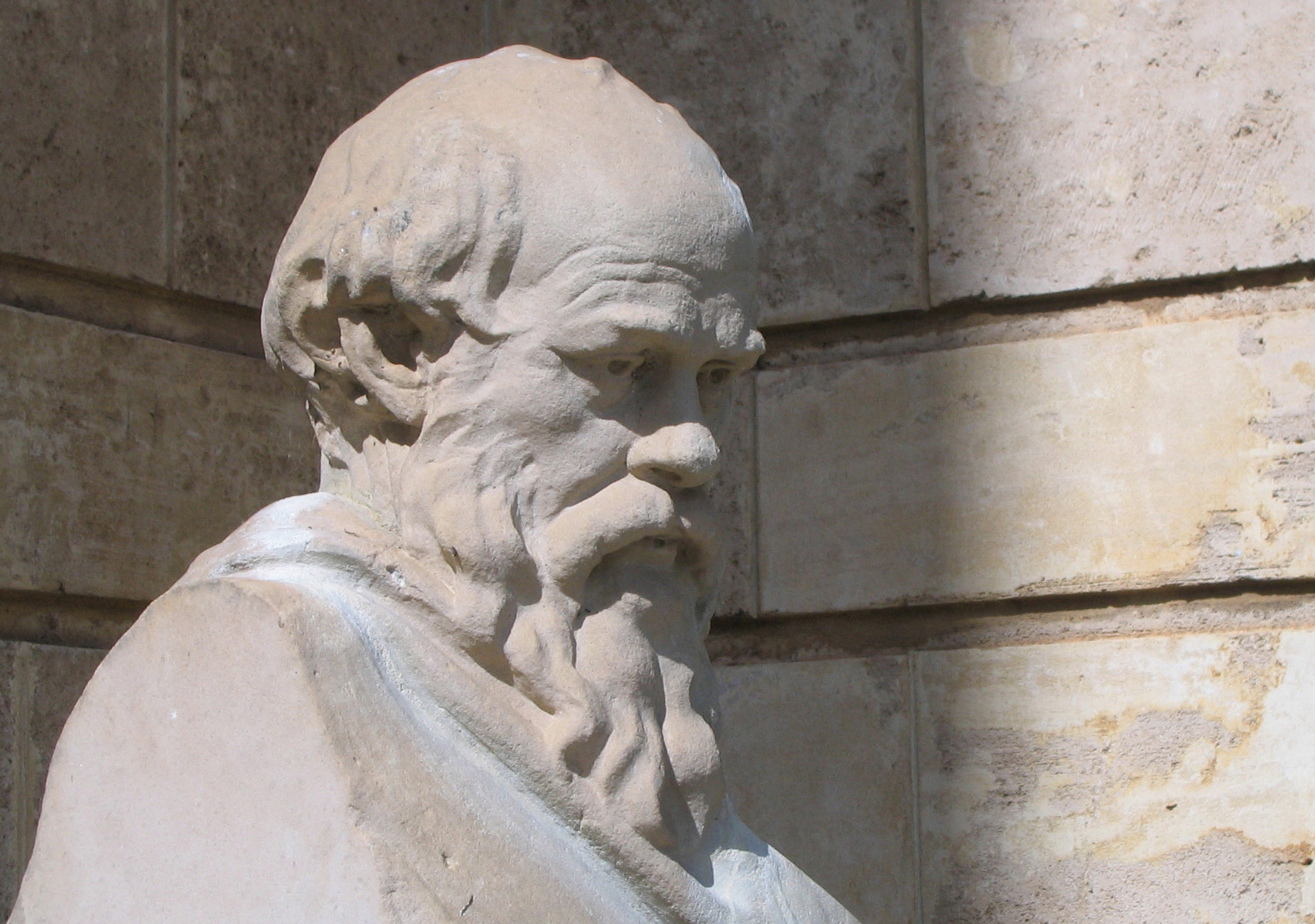
Philosophy · Ancient Greece
Heraclitus of Ephesus
Heraclitus of Ephesus stands as one of the most profound and enigmatic figures in the history of philosophical thought, whose revolutionary insights about constant change, universal reason, and the hidden harmony of opposites fund…
Heraclitus of Ephesus stands as one of the most profound and enigmatic figures in the history of philosophical thought, whose revolutionary insights about constant change, universal reason, and the hidden harmony of opposites fundamentally transformed human understanding of reality, knowledge, and cosmic order whilst establishing comprehensive theoretical frameworks that continue to influence philosophical, scientific, and spiritual investigation more than two millennia after his extraordinary intellectual contributions to human civilisation through systematic analysis of flux, fire, and the rational principle (Logos) governing all existence.
Introduction
His most revolutionary contribution to philosophical understanding was the systematic recognition that reality is characterised by constant flux and perpetual change rather than static being, famously declaring that "you cannot step into the same river twice" whilst demonstrating how apparent stability emerges from underlying processes of transformation and exchange that reveal the fundamental dynamic nature of existence through sophisticated theoretical investigation and empirical observation that challenged conventional assumptions about permanence and identity through innovative conceptual analysis and systematic philosophical inquiry.
As both a natural philosopher investigating physical processes and a metaphysical thinker exploring ultimate reality, Heraclitus developed comprehensive worldviews that integrated empirical observation with rational analysis whilst proposing that fire serves as the fundamental cosmic principle underlying all transformation and that the Logos represents the universal reason governing natural processes and human understanding through systematic investigation that revealed underlying order and harmonic relationships governing apparently chaotic and contradictory phenomena through disciplined intellectual inquiry.
The scope and complexity of Heraclitean achievement encompass groundbreaking contributions to metaphysics, natural philosophy, epistemology, psychology, and cosmology that demonstrated remarkable integration of systematic observation with theoretical sophistication whilst establishing methodological approaches and conceptual frameworks that influenced all subsequent philosophical development through innovative insights about the relationship between change and stability, unity and plurality, appearance and reality that addressed both immediate empirical challenges and ultimate questions about cosmic organisation and human understanding.
Living during the height of Archaic Greek intellectual achievement in the prosperous Ionian city of Ephesus, Heraclitus exemplified the synthesis of practical observation with theoretical speculation that characterised early Greek natural philosophy whilst developing distinctively original approaches to fundamental philosophical questions through systematic investigation and innovative conceptual analysis that transcended conventional limitations whilst maintaining empirical grounding and logical coherence through disciplined intellectual methodology and comprehensive analytical investigation.
Heraclitus's Life and Intellectual Development
- c. 535 BCE: Born into aristocratic family in Ephesus during period of intellectual flourishing
- c. 515 BCE: Began systematic investigation of natural processes and cosmic principles
- c. 505 BCE: Developed revolutionary theories about flux, fire, and universal change
- c. 500 BCE: Formulated comprehensive understanding of Logos and cosmic reason
- c. 495 BCE: Advanced insights about harmony of opposites and hidden connections
- c. 490 BCE: Composed philosophical treatise "On Nature" with cryptic aphorisms
- c. 485 BCE: Influenced development of dialectical thinking and process philosophy
- c. 480 BCE: Continued philosophical investigation whilst maintaining intellectual isolation
- c. 475 BCE: Died in Ephesus, leaving revolutionary philosophical legacy
The Philosophy of Flux and Perpetual Change
Universal Flux and the River Doctrine
Heraclitus revolutionised philosophical understanding through his systematic recognition that reality is characterised by constant flux and perpetual change rather than static permanence, developing sophisticated theoretical frameworks that revealed how apparent stability emerges from underlying processes of transformation and exchange whilst demonstrating that genuine understanding requires recognition of dynamic relationships and temporal development rather than focus on isolated substances or permanent entities through innovative conceptual analysis and systematic philosophical investigation that challenged conventional assumptions about identity and permanence.
His famous insight about the river that "you cannot step into the same river twice" exemplified profound understanding of how identity and continuity emerge through processes of change rather than static persistence whilst revealing how apparent constancy results from systematic patterns of transformation and renewal that demonstrate underlying unity through diversity and permanence through change. This revolutionary insight established essential foundations for understanding temporal development and dynamic relationships whilst providing frameworks for comprehending how stability and change relate through systematic philosophical analysis.
The systematic nature of Heraclitean flux theory extended beyond mere observation of change to encompass comprehensive understanding of how transformation operates according to rational principles and systematic patterns that reveal underlying order and cosmic harmony through apparent chaos and contradiction whilst demonstrating how genuine knowledge requires recognition of dynamic relationships and developmental processes rather than static categories and permanent substances through disciplined philosophical investigation and innovative conceptual analysis that enhanced both theoretical understanding and practical wisdom.
These insights about universal flux established essential foundations for process philosophy whilst providing frameworks for understanding temporal development and dynamic relationships that influenced all subsequent philosophical development through emphasis on change, development, and systematic transformation that revealed underlying order and rational principles governing natural processes and cosmic organisation through disciplined philosophical inquiry and comprehensive analytical investigation that addressed both immediate empirical challenges and ultimate questions about reality and knowledge.
The Measure and Rhythm of Change
Heraclitus developed sophisticated understanding of how change operates according to systematic measures and rhythmic patterns whilst demonstrating that transformation follows rational principles and cosmic laws rather than arbitrary or chaotic processes through systematic investigation of natural cycles and temporal relationships that revealed underlying order and harmonic proportions governing change and development whilst establishing frameworks for understanding how cosmic reason (Logos) regulates natural processes and ensures systematic coherence and proportional relationships in natural transformation.
His investigations revealed how natural processes exhibit systematic patterns and proportional relationships whilst demonstrating that change operates according to rational principles and cosmic laws that ensure balance and harmony through apparent conflict and contradiction. These insights established essential foundations for understanding how systematic order emerges through dynamic processes whilst providing frameworks for comprehending the relationship between change and stability through rational analysis and empirical observation that enhanced both theoretical understanding and practical capability.
The integration of systematic observation with theoretical analysis revealed how natural processes exhibit proportional relationships and rhythmic patterns whilst demonstrating that transformation follows cosmic laws and rational principles that ensure systematic coherence and harmonic balance through temporal development and natural change. This approach established precedents for scientific investigation whilst providing frameworks for understanding natural processes through rational analysis and empirical observation that enhanced both theoretical knowledge and practical understanding.
These contributions to understanding the measure of change established essential foundations for natural philosophy whilst providing frameworks for systematic investigation of temporal processes and natural development that influenced subsequent philosophical and scientific investigation through emphasis on rational principles, systematic patterns, and harmonic relationships that revealed underlying order and cosmic reason governing natural transformation through disciplined inquiry and comprehensive analytical investigation that addressed both immediate empirical concerns and ultimate questions about cosmic organisation.
Identity Through Change and Temporal Continuity
Heraclitus developed revolutionary insights about how identity persists through change whilst proposing that genuine identity emerges through processes of transformation rather than static permanence through systematic analysis of temporal continuity and developmental relationships that revealed how apparent constancy results from dynamic equilibrium and systematic renewal rather than unchanging substance or permanent essence through innovative conceptual frameworks and comprehensive philosophical investigation that challenged conventional understanding whilst providing alternative explanations for identity and continuity.
His systematic investigation of identity through change revealed how individual entities maintain coherence and continuity through processes of exchange and transformation whilst demonstrating that genuine understanding requires recognition of dynamic relationships and developmental patterns rather than focus on isolated substances or static properties through empirical observation and rational analysis that enhanced both theoretical sophistication and practical understanding of natural processes and temporal relationships through disciplined philosophical inquiry and innovative conceptual analysis.
The integration of temporal analysis with metaphysical investigation created comprehensive approaches to understanding identity and continuity whilst providing frameworks for systematic analysis of change and development that revealed underlying principles governing temporal relationships and developmental processes through rational investigation and empirical observation that enhanced both individual understanding and collective philosophical advancement through disciplined inquiry and collaborative investigation that addressed both immediate philosophical concerns and ultimate questions about reality and knowledge.
These contributions to understanding identity through change established essential foundations for temporal philosophy whilst providing frameworks for systematic investigation of developmental processes and temporal relationships that influenced all subsequent philosophical development through emphasis on dynamic identity, temporal continuity, and systematic transformation that revealed underlying order and rational principles governing individual development and cosmic organisation through disciplined philosophical inquiry and comprehensive analytical investigation that enhanced both theoretical understanding and practical wisdom.
Philosophy of Flux and Perpetual Change
- Universal Flux: Reality as constant change and transformation processes
- River Doctrine: Identity through dynamic processes rather than static permanence
- Systematic Change: Transformation according to rational principles and cosmic laws
- Temporal Continuity: Identity persisting through processes of renewal and exchange
- Dynamic Equilibrium: Stability through systematic patterns of transformation
- Process Reality: Emphasis on relationships and development over substances
Fire as the Cosmic Principle and Elemental Theory
Fire as the Primary Element
Heraclitus proposed revolutionary theoretical frameworks whereby fire serves as the fundamental cosmic principle underlying all natural transformation whilst demonstrating how this primary element operates through systematic processes of ignition and extinction that govern natural cycles and cosmic organisation through rational principles and proportional relationships that reveal underlying order and harmonic structure in natural phenomena through systematic investigation of elemental transformation and cosmic cycles that established essential foundations for understanding natural processes and cosmic organisation through empirical observation and theoretical analysis.
His systematic investigation of fire revealed how this element embodies the essential characteristics of cosmic principle through its dynamic nature, transformative capacity, and intelligent behaviour that demonstrates underlying reason and systematic organisation whilst providing concrete examples of how change operates according to rational principles and cosmic laws through natural processes that exhibit both destructive and creative aspects through systematic transformation and proportional exchange that maintains cosmic balance and harmonic relationships through natural cycles and elemental processes.
The theoretical sophistication of Heraclitean fire theory extended beyond mere elemental speculation to encompass comprehensive understanding of how cosmic principles operate through natural processes whilst demonstrating how systematic observation of natural transformation could reveal underlying laws and rational principles governing cosmic organisation through empirical investigation and rational analysis that enhanced both theoretical understanding and practical capability for understanding natural phenomena and cosmic cycles through disciplined scientific inquiry and innovative theoretical frameworks.
These contributions to elemental theory established essential foundations for natural philosophy whilst providing frameworks for understanding cosmic principles and natural processes that influenced all subsequent physical and cosmological investigation through emphasis on dynamic principles, systematic transformation, and rational organisation that revealed underlying order and harmonic relationships governing natural phenomena through disciplined inquiry and comprehensive analytical investigation that addressed both immediate empirical concerns and ultimate questions about cosmic organisation and natural law.
Cosmic Cycles and Elemental Transformation
Heraclitus developed systematic understanding of cosmic cycles whereby the universe undergoes periodic transformation through processes of ignition and restoration whilst demonstrating how elemental change follows rational principles and proportional relationships that ensure cosmic harmony and systematic balance through natural cycles that exhibit both destructive and creative phases through systematic investigation of temporal development and cosmic organisation that revealed underlying patterns and rhythmic relationships governing universal transformation through empirical observation and theoretical analysis.
His investigations revealed how cosmic cycles operate according to systematic measures and proportional relationships whilst demonstrating that universal transformation follows rational principles and cosmic laws that ensure balance and harmony through apparent conflict and opposition. These insights established essential frameworks for understanding temporal development and cosmic organisation whilst providing systematic approaches to natural cycles and elemental transformation that enhanced both theoretical knowledge and practical understanding of natural processes through disciplined scientific inquiry and innovative analytical approaches.
The integration of cosmic theory with elemental analysis created comprehensive approaches to understanding universal cycles whilst providing frameworks for systematic investigation of natural transformation that revealed underlying principles governing cosmic organisation and temporal development through rational analysis and empirical observation that enhanced both individual understanding and collective knowledge advancement through collaborative investigation and systematic analytical methodology that addressed both immediate scientific concerns and ultimate questions about cosmic law and universal organisation.
These contributions to cosmic cycle theory established essential foundations for cosmological investigation whilst providing frameworks for understanding universal transformation and temporal development that influenced subsequent astronomical and philosophical development through emphasis on systematic cycles, rational principles, and harmonic relationships that revealed underlying order and cosmic reason governing universal processes through disciplined inquiry and comprehensive analytical investigation that enhanced both theoretical understanding and practical capability for cosmological analysis and natural investigation.
The Ever-Living Fire and Divine Intelligence
Heraclitus proposed that the cosmic fire represents not merely physical element but divine intelligence and rational principle that governs natural processes and cosmic organisation whilst demonstrating how material and spiritual aspects of reality are unified through the ever-living fire that embodies both physical transformation and rational activity through systematic investigation that revealed connections between natural processes and cosmic intelligence through empirical observation and theoretical analysis that established essential foundations for understanding the relationship between matter and mind in cosmic organisation.
His systematic analysis of fire revealed how this cosmic principle operates through intelligent activity and rational planning whilst demonstrating how natural processes exhibit purposive organisation and systematic coherence that reflects underlying wisdom and divine reason through natural transformation and cosmic cycles that reveal intelligent design and rational planning through systematic observation of natural harmony and proportional relationships that demonstrate cosmic intelligence and divine activity through natural processes and elemental transformation.
The integration of physical and metaphysical analysis created comprehensive approaches to understanding cosmic intelligence whilst providing frameworks for systematic investigation of divine reason and natural law that enhanced both theoretical understanding and spiritual insight through disciplined inquiry and rational analysis that revealed connections between natural processes and cosmic intelligence through empirical observation and theoretical investigation that addressed both immediate scientific concerns and ultimate questions about divine reality and cosmic organisation.
These contributions to understanding cosmic intelligence established essential foundations for natural theology whilst providing frameworks for investigating divine reason and natural law that influenced subsequent philosophical and religious development through emphasis on rational principles, intelligent design, and cosmic wisdom that revealed underlying order and divine intelligence governing natural processes through disciplined inquiry and comprehensive analytical investigation that enhanced both theoretical understanding and spiritual insight through systematic investigation of cosmic intelligence and natural harmony.
Fire as Cosmic Principle and Elemental Theory
- Primary Element: Fire as fundamental principle underlying all transformation
- Cosmic Cycles: Universal transformation through ignition and restoration processes
- Elemental Exchange: Systematic transformation maintaining cosmic balance
- Ever-Living Fire: Divine intelligence operating through natural processes
- Rational Principle: Cosmic fire embodying intelligence and systematic organisation
- Natural Theology: Physical processes revealing divine reason and cosmic wisdom
The Logos and Universal Reason
The Nature and Function of Logos
Heraclitus introduced the revolutionary concept of Logos as the universal reason and rational principle that governs all existence whilst demonstrating how this cosmic intelligence operates through natural processes and human understanding to maintain systematic order and harmonic relationships throughout the universe through rational principles and proportional measures that reveal underlying unity and coherent organisation in apparently diverse and contradictory phenomena through systematic investigation and theoretical analysis that established essential foundations for understanding the relationship between reason and reality through disciplined philosophical inquiry.
His systematic investigation of Logos revealed how universal reason operates through both cosmic processes and human consciousness whilst demonstrating that genuine understanding requires recognition of rational principles and systematic relationships that govern natural phenomena and intellectual activity through empirical observation and theoretical analysis that enhanced both individual wisdom and collective knowledge through disciplined philosophical inquiry and innovative conceptual analysis that revealed connections between cosmic intelligence and human reason through systematic investigation of rational principles and universal law.
The theoretical sophistication of Heraclitean Logos doctrine extended beyond mere cosmological speculation to encompass comprehensive understanding of how reason operates through natural processes whilst providing frameworks for systematic investigation of intelligence and rational activity in both cosmic and human domains through empirical observation and theoretical analysis that enhanced both theoretical understanding and practical wisdom through disciplined inquiry and collaborative investigation that addressed both immediate philosophical concerns and ultimate questions about reason and reality.
These contributions to understanding universal reason established essential foundations for rational philosophy whilst providing frameworks for investigating cosmic intelligence and natural law that influenced all subsequent philosophical development through emphasis on rational principles, systematic investigation, and comprehensive analysis that revealed underlying order and intelligent design governing both natural processes and human understanding through disciplined philosophical inquiry and systematic analytical methodology that enhanced both theoretical knowledge and practical wisdom through rational investigation.
Logos as Common Wisdom and Shared Understanding
Heraclitus developed sophisticated insights about how the Logos operates as common wisdom accessible to all rational beings whilst demonstrating that genuine understanding requires recognition of universal principles and shared rational foundations that transcend individual opinion and cultural limitation through systematic investigation of rational relationships and universal law that revealed connections between cosmic intelligence and human reason through empirical observation and theoretical analysis that enhanced both individual understanding and collective wisdom through disciplined philosophical inquiry and collaborative investigation.
His systematic analysis revealed how authentic wisdom emerges through recognition of universal principles whilst demonstrating that genuine knowledge requires transcendence of merely private opinions and subjective preferences through systematic investigation of rational foundations and universal law that govern both natural processes and human understanding through empirical observation and theoretical analysis that enhanced both individual intellectual capability and collective philosophical advancement through disciplined inquiry and comprehensive analytical investigation that revealed underlying order and rational principles.
The integration of epistemological analysis with cosmological investigation created comprehensive approaches to understanding universal wisdom whilst providing frameworks for systematic investigation of rational foundations and shared understanding that enhanced both theoretical knowledge and practical wisdom through disciplined inquiry and collaborative investigation that addressed both immediate intellectual concerns and ultimate questions about reason and knowledge through systematic philosophical methodology and innovative analytical approaches that revealed connections between individual understanding and universal truth.
These contributions to understanding common wisdom established essential foundations for epistemological philosophy whilst providing frameworks for investigating shared rational foundations and universal principles that influenced subsequent philosophical development through emphasis on rational investigation, systematic analysis, and collaborative inquiry that revealed underlying order and intelligent design governing both cosmic processes and human understanding through disciplined philosophical inquiry and comprehensive analytical methodology that enhanced both individual wisdom and collective knowledge advancement.
The Hidden Harmony and Cosmic Intelligence
Heraclitus proposed that the Logos reveals itself through hidden harmony and cosmic intelligence that operates beneath apparent surface phenomena whilst demonstrating how systematic investigation can uncover underlying rational principles and harmonic relationships that govern natural processes and cosmic organisation through empirical observation and theoretical analysis that revealed connections between apparent chaos and underlying order through disciplined inquiry and innovative conceptual analysis that established essential frameworks for understanding cosmic intelligence and rational design through systematic philosophical investigation.
His investigations revealed how cosmic intelligence operates through systematic patterns and harmonic relationships whilst demonstrating that genuine understanding requires recognition of hidden connections and underlying principles that govern apparent diversity and contradiction through rational analysis and empirical observation that enhanced both theoretical sophistication and practical wisdom through disciplined inquiry and collaborative investigation that addressed both immediate philosophical concerns and ultimate questions about cosmic organisation and intelligent design through systematic analytical methodology.
The integration of metaphysical analysis with empirical investigation created comprehensive approaches to understanding cosmic intelligence whilst providing frameworks for systematic investigation of hidden harmony and rational principles that enhanced both individual understanding and collective philosophical advancement through disciplined inquiry and innovative analytical approaches that revealed underlying order and intelligent design governing natural processes and cosmic organisation through systematic philosophical methodology and comprehensive analytical investigation.
These contributions to understanding cosmic intelligence established essential foundations for metaphysical philosophy whilst providing frameworks for investigating hidden harmony and rational design that influenced all subsequent philosophical development through emphasis on systematic investigation, rational analysis, and comprehensive understanding that revealed underlying order and intelligent principles governing both cosmic processes and human understanding through disciplined philosophical inquiry and innovative analytical methodology that enhanced both theoretical knowledge and practical wisdom through systematic investigation of cosmic intelligence and universal reason.
The Logos and Universal Reason
- Universal Principle: Logos as cosmic intelligence governing all existence
- Rational Order: Systematic organisation through universal reason and natural law
- Common Wisdom: Shared rational foundations transcending individual opinion
- Hidden Harmony: Underlying order revealed through systematic investigation
- Cosmic Intelligence: Divine reason operating through natural processes
- Epistemological Foundation: Rational principles governing knowledge and understanding
The Unity of Opposites and Harmonic Relationships
The Coincidence of Opposites
Heraclitus developed revolutionary insights about the unity of opposites whilst demonstrating how apparently contradictory phenomena reveal underlying harmony and systematic relationships through rational analysis that transcended conventional logic and categorical thinking through innovative conceptual frameworks that revealed how opposition and conflict generate rather than destroy unity and coherence through dialectical relationships and systematic tensions that maintain cosmic balance and natural harmony through processes of transformation and dynamic equilibrium that established essential foundations for dialectical thinking and process philosophy.
His systematic investigation of oppositional relationships revealed how apparent contradictions express underlying unity whilst demonstrating that genuine understanding requires recognition of dynamic tensions and dialectical relationships that generate rather than oppose systematic coherence and rational organisation through empirical observation and theoretical analysis that enhanced both philosophical sophistication and practical wisdom through disciplined inquiry and innovative conceptual analysis that revealed connections between opposition and harmony through systematic investigation of dialectical relationships and dynamic processes.
The theoretical sophistication of Heraclitean opposition theory extended beyond mere logical paradox to encompass comprehensive understanding of how dialectical relationships operate through natural processes whilst providing frameworks for systematic investigation of dynamic tensions and harmonic relationships that govern both cosmic organisation and individual development through rational analysis and empirical observation that enhanced both theoretical understanding and practical capability through disciplined inquiry and collaborative investigation that addressed both immediate philosophical concerns and ultimate questions about unity and diversity.
These contributions to understanding oppositional harmony established essential foundations for dialectical philosophy whilst providing frameworks for investigating dynamic relationships and systematic tensions that influenced all subsequent philosophical development through emphasis on dialectical thinking, process analysis, and comprehensive understanding that revealed underlying order and harmonic principles governing both natural processes and rational activity through disciplined philosophical inquiry and systematic analytical methodology that enhanced both theoretical knowledge and practical wisdom through investigation of dialectical relationships.
The Road Up and Down
Heraclitus proposed that "the road up and down are one and the same" whilst demonstrating how apparent opposition reveals underlying identity and systematic unity through dialectical relationships that transcend conventional categorical thinking through innovative conceptual analysis that revealed how processes of ascent and descent represent complementary aspects of unified cosmic activity rather than contradictory or opposed movements through systematic investigation of natural cycles and temporal relationships that enhanced both philosophical understanding and practical wisdom through disciplined inquiry and theoretical analysis.
His systematic analysis of cyclical processes revealed how apparent oppositions express underlying unity whilst demonstrating that genuine understanding requires recognition of dialectical relationships and dynamic tensions that generate systematic coherence and rational organisation through natural processes and cosmic cycles that exhibit both ascending and descending phases through systematic transformation and proportional exchange that maintains cosmic balance and harmonic relationships through temporal development and natural change through disciplined philosophical investigation and innovative analytical approaches.
The integration of temporal analysis with dialectical investigation created comprehensive approaches to understanding cyclical processes whilst providing frameworks for systematic investigation of oppositional relationships that revealed underlying unity and harmonic structure through rational analysis and empirical observation that enhanced both individual understanding and collective philosophical advancement through disciplined inquiry and collaborative investigation that addressed both immediate philosophical concerns and ultimate questions about unity and opposition through systematic analytical methodology and innovative conceptual frameworks.
These contributions to understanding dialectical relationships established essential foundations for process philosophy whilst providing frameworks for investigating cyclical processes and oppositional harmony that influenced subsequent philosophical development through emphasis on dialectical thinking, temporal analysis, and systematic understanding that revealed underlying order and harmonic principles governing both cosmic processes and rational activity through disciplined philosophical inquiry and comprehensive analytical investigation that enhanced both theoretical knowledge and practical wisdom through systematic investigation of dialectical relationships and cosmic harmony.
War as the Father of All Things
Heraclitus declared that "war is the father and king of all things" whilst proposing that cosmic conflict and systematic opposition generate rather than destroy order and harmony through dialectical processes that reveal underlying unity and rational organisation through systematic tensions and dynamic equilibrium that maintain cosmic balance and natural harmony through processes of transformation and creative conflict that established essential insights about how opposition and struggle contribute to rather than oppose systematic coherence and rational development through innovative theoretical frameworks and comprehensive analytical investigation.
His systematic investigation of cosmic conflict revealed how opposition generates systematic organisation whilst demonstrating that struggle and tension operate as creative forces that maintain cosmic balance and natural harmony through dialectical relationships and dynamic processes that transcend conventional understanding of conflict as merely destructive or chaotic through empirical observation and theoretical analysis that enhanced both philosophical sophistication and practical wisdom through disciplined inquiry and innovative conceptual analysis that revealed constructive aspects of opposition and conflict.
The integration of conflict analysis with cosmic investigation created comprehensive approaches to understanding creative opposition whilst providing frameworks for systematic investigation of dialectical relationships that enhanced both theoretical understanding and practical capability through disciplined inquiry and collaborative investigation that addressed both immediate philosophical concerns and ultimate questions about order and chaos through systematic analytical methodology and innovative theoretical approaches that revealed underlying principles governing cosmic organisation and natural development through dialectical processes and systematic tensions.
These contributions to understanding cosmic conflict established essential foundations for dialectical philosophy whilst providing frameworks for investigating creative opposition and systematic tension that influenced all subsequent philosophical development through emphasis on dialectical thinking, conflict analysis, and comprehensive understanding that revealed underlying order and creative principles governing both cosmic processes and rational development through disciplined philosophical inquiry and systematic analytical methodology that enhanced both theoretical knowledge and practical wisdom through investigation of dialectical relationships and creative conflict.
Unity of Opposites and Harmonic Relationships
- Coincidence of Opposites: Underlying unity revealed through apparent contradiction
- Dialectical Relationships: Dynamic tensions generating systematic coherence
- Road Up and Down: Cyclical processes expressing unified cosmic activity
- Creative Conflict: War and opposition as generative cosmic principles
- Dynamic Equilibrium: Balance maintained through systematic opposition
- Harmonic Tension: Opposition contributing to rather than destroying unity
Epistemology and the Nature of Knowledge
The Critique of Conventional Learning
Heraclitus launched systematic criticism of conventional learning and scholarly accumulation whilst demonstrating how mere collection of information fails to produce genuine understanding or authentic wisdom through innovative epistemological analysis that revealed fundamental differences between superficial learning and profound comprehension whilst establishing frameworks for understanding how authentic knowledge emerges through rational investigation and experiential understanding rather than passive absorption of received opinions and traditional authorities through disciplined intellectual inquiry and innovative analytical approaches that enhanced both theoretical sophistication and practical wisdom.
His famous declaration that "much learning does not teach understanding" exemplified sophisticated recognition of how intellectual accumulation without systematic analysis and rational integration fails to produce genuine wisdom whilst demonstrating that authentic knowledge requires active investigation and creative synthesis rather than passive reception of traditional information through empirical observation and theoretical analysis that revealed fundamental problems with conventional educational approaches and scholarly methodology through innovative epistemological frameworks and systematic analytical investigation.
The systematic nature of Heraclitean epistemological criticism extended beyond mere educational reform to encompass comprehensive understanding of how genuine knowledge emerges through rational activity and experiential investigation whilst providing frameworks for systematic investigation of intellectual development and cognitive processes that enhanced both individual learning capability and collective educational advancement through disciplined inquiry and collaborative investigation that addressed both immediate educational concerns and ultimate questions about knowledge and understanding through innovative epistemological methodology.
These contributions to epistemological criticism established essential foundations for educational philosophy whilst providing frameworks for understanding authentic learning and genuine knowledge that influenced all subsequent educational theory and epistemological development through emphasis on active investigation, rational analysis, and experiential understanding that revealed underlying principles governing intellectual development and cognitive capability through disciplined inquiry and comprehensive analytical investigation that enhanced both individual wisdom and collective educational advancement through systematic epistemological methodology.
Empirical Investigation and Sensory Experience
Heraclitus developed sophisticated approaches to empirical investigation whilst recognising both the importance and limitations of sensory experience for acquiring genuine knowledge through systematic analysis of perceptual processes and cognitive relationships that revealed how sensory observation provides essential foundations for understanding whilst requiring rational interpretation and theoretical integration to yield authentic insight through disciplined investigation and innovative analytical approaches that enhanced both empirical capability and theoretical understanding through systematic methodology and comprehensive investigation.
His systematic investigation of sensory experience revealed how perception operates through systematic relationships between observer and observed whilst demonstrating that genuine understanding requires integration of empirical observation with rational analysis through theoretical frameworks that enhance both observational accuracy and interpretive sophistication through disciplined inquiry and collaborative investigation that addressed both immediate empirical concerns and ultimate questions about knowledge and reality through innovative epistemological approaches and systematic analytical methodology.
The integration of empirical observation with rational analysis created comprehensive approaches to knowledge acquisition whilst providing frameworks for systematic investigation of perceptual processes and cognitive relationships that enhanced both individual learning capability and collective knowledge advancement through disciplined inquiry and innovative analytical approaches that revealed underlying principles governing empirical investigation and rational understanding through systematic epistemological methodology and comprehensive analytical investigation.
These contributions to empirical epistemology established essential foundations for scientific methodology whilst providing frameworks for understanding observational processes and rational interpretation that influenced subsequent philosophical and scientific development through emphasis on systematic observation, rational analysis, and theoretical integration that revealed underlying principles governing knowledge acquisition and cognitive development through disciplined inquiry and comprehensive analytical investigation that enhanced both empirical capability and theoretical understanding through systematic epistemological methodology.
The Hidden Nature and Self-Revelation of Truth
Heraclitus proposed that "nature loves to hide" whilst demonstrating how truth reveals itself through systematic investigation and rational analysis rather than through passive observation or conventional authority through innovative epistemological frameworks that revealed how genuine understanding emerges through active inquiry and creative interpretation rather than superficial examination or traditional learning whilst establishing systematic approaches to knowledge acquisition that enhanced both individual intellectual capability and collective philosophical advancement through disciplined inquiry and innovative analytical methodology.
His systematic investigation of hidden truth revealed how genuine knowledge requires penetrating beneath surface appearances whilst demonstrating that authentic understanding emerges through systematic analysis and rational investigation that reveals underlying principles and systematic relationships governing natural phenomena and cognitive processes through empirical observation and theoretical analysis that enhanced both intellectual sophistication and practical wisdom through disciplined inquiry and collaborative investigation that addressed both immediate epistemological concerns and ultimate questions about truth and knowledge.
The integration of metaphysical analysis with epistemological investigation created comprehensive approaches to understanding hidden truth whilst providing frameworks for systematic investigation of cognitive processes and knowledge acquisition that enhanced both theoretical understanding and practical capability through disciplined inquiry and innovative analytical approaches that revealed underlying principles governing truth revelation and intellectual development through systematic epistemological methodology and comprehensive analytical investigation.
These contributions to understanding hidden truth established essential foundations for epistemological philosophy whilst providing frameworks for investigating truth revelation and knowledge acquisition that influenced all subsequent philosophical development through emphasis on systematic investigation, rational analysis, and active inquiry that revealed underlying principles governing cognitive development and intellectual capability through disciplined inquiry and comprehensive analytical methodology that enhanced both theoretical knowledge and practical wisdom through systematic investigation of truth and knowledge acquisition.
Epistemology and the Nature of Knowledge
- Learning Critique: Systematic criticism of conventional education and scholarly accumulation
- Empirical Investigation: Sensory experience as foundation requiring rational interpretation
- Active Inquiry: Genuine understanding through systematic investigation rather than passive reception
- Hidden Truth: Knowledge emerging through penetrating beneath surface appearances
- Rational Integration: Synthesis of observation and analysis for authentic understanding
- Cognitive Development: Intellectual capability through disciplined inquiry and analysis
Psychology and the Human Soul
The Fiery Soul and Cosmic Connection
Heraclitus developed revolutionary understanding of the human soul whilst proposing that individual consciousness participates in cosmic fire and universal reason through systematic relationships that connect personal psychology with cosmic organisation through rational principles and harmonic proportions that reveal underlying unity between human understanding and cosmic intelligence whilst establishing frameworks for comprehending how individual souls operate as local manifestations of universal fire and cosmic Logos through systematic investigation that enhanced both psychological understanding and spiritual insight through disciplined inquiry and innovative theoretical analysis.
His systematic investigation of soul revealed how individual consciousness exhibits fiery characteristics through its dynamic activity, rational capability, and transformative potential whilst demonstrating that psychological processes operate according to cosmic principles and universal laws through systematic relationships that connect personal experience with cosmic organisation through empirical observation and theoretical analysis that enhanced both individual self-understanding and collective psychological advancement through disciplined inquiry and innovative analytical approaches that revealed connections between personal psychology and cosmic intelligence.
The integration of psychological analysis with cosmological investigation created comprehensive approaches to understanding soul whilst providing frameworks for systematic investigation of consciousness and rational activity that enhanced both theoretical understanding and practical capability for psychological development through disciplined inquiry and collaborative investigation that addressed both immediate psychological concerns and ultimate questions about consciousness and cosmic connection through innovative psychological methodology and systematic analytical investigation.
These contributions to soul psychology established essential foundations for psychological philosophy whilst providing frameworks for understanding consciousness and cosmic connection that influenced all subsequent psychological development through emphasis on dynamic psychology, rational analysis, and cosmic integration that revealed underlying principles governing consciousness and psychological development through disciplined inquiry and comprehensive analytical methodology that enhanced both individual psychological understanding and collective psychological advancement through systematic investigation of soul and consciousness.
Wisdom and Psychological Development
Heraclitus proposed that wisdom emerges through psychological development and rational cultivation whilst demonstrating how individual consciousness can achieve authentic understanding through systematic investigation and intellectual discipline that enhances both rational capability and spiritual insight through comprehensive approaches to psychological development that integrate empirical observation with rational analysis whilst providing frameworks for understanding how intellectual and spiritual growth operate through systematic processes and proportional relationships that reveal underlying connections between personal development and cosmic harmony through disciplined inquiry.
His systematic analysis of wisdom revealed how authentic understanding requires both intellectual capability and spiritual development whilst demonstrating that genuine knowledge emerges through integration of rational analysis with experiential insight through psychological processes that enhance both theoretical sophistication and practical capability through disciplined inquiry and innovative analytical approaches that revealed underlying principles governing intellectual development and spiritual growth through systematic investigation of consciousness and rational activity that enhanced both individual wisdom and collective psychological advancement.
The integration of intellectual analysis with spiritual development created comprehensive approaches to psychological advancement whilst providing frameworks for systematic investigation of consciousness and rational development that enhanced both theoretical understanding and practical capability for psychological growth through disciplined inquiry and collaborative investigation that addressed both immediate psychological concerns and ultimate questions about wisdom and spiritual development through innovative psychological methodology and systematic analytical investigation.
These contributions to wisdom psychology established essential foundations for philosophical psychology whilst providing frameworks for understanding intellectual and spiritual development that influenced subsequent psychological and educational development through emphasis on systematic cultivation, rational analysis, and comprehensive development that revealed underlying principles governing consciousness and psychological advancement through disciplined inquiry and comprehensive analytical methodology that enhanced both individual wisdom and collective psychological achievement through systematic investigation of consciousness and rational development.
The Dry Soul and Rational Excellence
Heraclitus declared that "the dry soul is wisest and best" whilst developing sophisticated understanding of how psychological excellence emerges through rational cultivation and intellectual discipline that maintains proper balance and harmonic proportions within consciousness whilst avoiding excessive moisture and emotional disturbance that impedes rational activity and spiritual development through systematic approaches to psychological development that enhanced both intellectual capability and practical wisdom through disciplined inquiry and innovative analytical approaches that revealed underlying principles governing psychological excellence and rational achievement.
His systematic investigation of psychological states revealed how rational excellence requires systematic cultivation and disciplined development whilst demonstrating that authentic wisdom emerges through balance and proportion within consciousness that maintains rational capability whilst avoiding emotional excess and psychological disturbance through empirical observation and theoretical analysis that enhanced both individual psychological understanding and collective advancement through disciplined inquiry and innovative analytical approaches that revealed connections between psychological balance and rational achievement through systematic investigation of consciousness and psychological development.
The integration of psychological analysis with ethical investigation created comprehensive approaches to excellence whilst providing frameworks for systematic cultivation of rational capability and psychological development that enhanced both theoretical understanding and practical capability for psychological achievement through disciplined inquiry and collaborative investigation that addressed both immediate psychological concerns and ultimate questions about excellence and rational development through innovative psychological methodology and systematic analytical investigation.
These contributions to psychological excellence established essential foundations for moral psychology whilst providing frameworks for understanding rational cultivation and psychological development that influenced all subsequent psychological and ethical development through emphasis on systematic discipline, rational analysis, and comprehensive development that revealed underlying principles governing psychological excellence and rational achievement through disciplined inquiry and comprehensive analytical methodology that enhanced both individual excellence and collective psychological advancement through systematic investigation of consciousness and rational cultivation.
Psychology and the Human Soul
- Fiery Soul: Individual consciousness participating in cosmic fire and universal reason
- Cosmic Connection: Personal psychology linked with cosmic organisation and intelligence
- Wisdom Development: Rational cultivation and intellectual discipline for authentic understanding
- Psychological Balance: Proper proportions maintaining rational capability and spiritual insight
- Dry Soul Excellence: Rational achievement through disciplined psychological cultivation
- Consciousness Analysis: Systematic investigation of psychological processes and development
Influence on Later Philosophy and Modern Thought
Stoic Philosophy and Rational Cosmology
Heraclitean insights profoundly influenced Stoic philosophy whilst providing essential foundations for understanding cosmic reason, natural law, and rational living through systematic integration of physics and ethics that demonstrated connections between cosmic organisation and individual conduct through rational principles and natural law that governed both cosmic processes and human behaviour whilst establishing comprehensive worldviews that enhanced both theoretical understanding and practical capability for ethical development through disciplined inquiry and innovative analytical approaches that revealed underlying order and rational design governing both cosmic and human affairs.
Stoic philosophers including Zeno, Chrysippus, and Marcus Aurelius built upon Heraclitean foundations whilst developing sophisticated approaches to rational cosmology and ethical development that integrated cosmic physics with practical ethics through systematic theoretical frameworks that enhanced both individual understanding and collective philosophical advancement through disciplined inquiry and comprehensive analytical methodology that demonstrated continuity between Heraclitean insights and subsequent Stoic development through emphasis on rational principles, cosmic order, and ethical excellence that characterised Stoic philosophical achievement.
The integration of Heraclitean physics with Stoic ethics created comprehensive approaches to philosophical living whilst providing frameworks for understanding rational development and ethical achievement through cosmic understanding and natural law that enhanced both theoretical knowledge and practical capability through disciplined inquiry and collaborative investigation that addressed both immediate philosophical concerns and ultimate questions about cosmic order and rational living through systematic philosophical methodology and innovative analytical approaches that demonstrated connections between cosmic understanding and ethical development.
These influences on Stoic philosophy established essential foundations for rational ethics whilst providing frameworks for understanding cosmic law and rational living that influenced all subsequent philosophical development through emphasis on systematic investigation, rational analysis, and comprehensive understanding that revealed underlying principles governing both cosmic processes and ethical development through disciplined philosophical inquiry and systematic analytical methodology that enhanced both theoretical knowledge and practical wisdom through investigation of cosmic reason and natural law.
German Idealism and Dialectical Philosophy
Heraclitean dialectical insights profoundly influenced German Idealist philosophy whilst providing essential foundations for understanding dialectical relationships and process thinking through systematic analysis of opposition and synthesis that revealed underlying unity and rational development through historical processes and logical relationships whilst establishing comprehensive theoretical frameworks that enhanced both philosophical sophistication and practical understanding through disciplined inquiry and innovative analytical approaches that demonstrated connections between dialectical thinking and systematic philosophical development through rational investigation and comprehensive analysis.
Philosophers including Hegel, Schelling, and Fichte built upon Heraclitean foundations whilst developing sophisticated approaches to dialectical philosophy and systematic idealism that integrated logical analysis with historical development through comprehensive theoretical frameworks that enhanced both individual philosophical understanding and collective intellectual advancement through disciplined inquiry and systematic analytical methodology that demonstrated continuity between Heraclitean dialectical insights and subsequent German Idealist development through emphasis on process thinking, dialectical relationships, and systematic philosophical investigation.
The integration of Heraclitean dialectics with Idealist systematics created comprehensive approaches to philosophical understanding whilst providing frameworks for systematic investigation of logical development and historical processes that enhanced both theoretical knowledge and practical capability through disciplined inquiry and collaborative investigation that addressed both immediate philosophical concerns and ultimate questions about reason and reality through innovative philosophical methodology and systematic analytical approaches that revealed underlying principles governing logical development and historical understanding.
These influences on German Idealism established essential foundations for dialectical philosophy whilst providing frameworks for understanding logical development and systematic thinking that influenced all subsequent philosophical development through emphasis on dialectical analysis, process thinking, and comprehensive understanding that revealed underlying principles governing both logical relationships and historical development through disciplined philosophical inquiry and systematic analytical methodology that enhanced both theoretical knowledge and practical wisdom through investigation of dialectical relationships and systematic philosophy.
Process Philosophy and Contemporary Thought
Heraclitean insights about flux and process profoundly influenced contemporary process philosophy whilst providing essential foundations for understanding temporal development and dynamic reality through systematic analysis of change and becoming that revealed underlying principles governing natural processes and temporal relationships whilst establishing comprehensive theoretical frameworks that enhanced both scientific understanding and philosophical sophistication through disciplined inquiry and innovative analytical approaches that demonstrated connections between ancient wisdom and contemporary thought through systematic investigation and rational analysis.
Contemporary philosophers including Whitehead, Bergson, and James built upon Heraclitean foundations whilst developing sophisticated approaches to process philosophy and temporal analysis that integrated scientific understanding with philosophical investigation through comprehensive theoretical frameworks that enhanced both individual intellectual understanding and collective philosophical advancement through disciplined inquiry and systematic analytical methodology that demonstrated continuity between Heraclitean process insights and subsequent contemporary development through emphasis on temporal analysis, dynamic relationships, and systematic philosophical investigation.
The integration of Heraclitean process thinking with contemporary analysis created comprehensive approaches to understanding temporal development whilst providing frameworks for systematic investigation of dynamic processes and natural relationships that enhanced both theoretical knowledge and practical capability through disciplined inquiry and collaborative investigation that addressed both immediate philosophical concerns and ultimate questions about time and reality through innovative philosophical methodology and systematic analytical approaches that revealed underlying principles governing temporal processes and dynamic development.
These influences on process philosophy established essential foundations for contemporary thought whilst providing frameworks for understanding temporal development and dynamic reality that continue to influence philosophical and scientific investigation through emphasis on process analysis, temporal thinking, and comprehensive understanding that reveal underlying principles governing both natural processes and philosophical development through disciplined inquiry and systematic analytical methodology that enhance both theoretical knowledge and practical wisdom through investigation of process and temporal relationships in contemporary philosophical and scientific investigation.
Influence on Later Philosophy and Modern Thought
- Stoic Philosophy: Cosmic reason, natural law, and rational living frameworks
- German Idealism: Dialectical relationships and process thinking in systematic philosophy
- Process Philosophy: Contemporary temporal analysis and dynamic reality investigation
- Scientific Methodology: Systematic observation and rational analysis approaches
- Dialectical Thinking: Opposition and synthesis in philosophical and logical development
- Cosmic Understanding: Universal reason and natural law in contemporary thought
Modern Applications and Contemporary Relevance
Systems Theory and Complex Dynamics
Contemporary systems theory and complexity science validate fundamental Heraclitean insights whilst demonstrating how his systematic approaches to dynamic relationships and process thinking provide essential frameworks for understanding complex systems and emergent properties through comprehensive scientific investigation and analytical methodology that enhances both theoretical understanding and practical capability through disciplined inquiry and innovative analytical approaches that address both immediate scientific concerns and long-term theoretical advancement through systematic scientific methodology and comprehensive analytical investigation that reveals connections between ancient wisdom and contemporary scientific understanding.
Modern approaches to complex systems reflect Heraclitean emphasis on dynamic relationships and systematic processes whilst providing frameworks for understanding emergent properties and nonlinear dynamics through disciplined scientific methodology and innovative analytical approaches that demonstrate connections between dialectical thinking and contemporary systems analysis through systematic scientific investigation and collaborative research that enhances both individual scientific understanding and collective scientific advancement through empirical investigation and systematic analytical methodology that characterises contemporary complexity science and systems theory.
The integration of Heraclitean process thinking with contemporary systems analysis creates comprehensive approaches to understanding complex dynamics whilst providing frameworks for systematic investigation of emergent properties that addresses both theoretical questions and practical technological challenges through comprehensive research programmes that enhance both theoretical knowledge and practical capability through disciplined scientific investigation and innovative technological methodology that serves both immediate scientific objectives and long-term technological advancement through systematic systems analysis and collaborative scientific investigation.
These contemporary applications of systems theory demonstrate the continuing relevance of Heraclitean insights whilst providing frameworks for addressing complex scientific questions and technological challenges that require sophisticated understanding of dynamic relationships and systematic processes through innovative research approaches and systematic scientific investigation that serves both immediate scientific needs and long-term technological development through disciplined inquiry and collaborative research that enhances both theoretical understanding and practical capability through empirical investigation and comprehensive analytical approaches.
Ecological Science and Environmental Understanding
Contemporary ecological science incorporates fundamental Heraclitean insights whilst demonstrating how his systematic approaches to dynamic relationships and harmonic balance provide essential frameworks for understanding ecological systems and environmental processes through comprehensive scientific investigation and analytical methodology that enhances both theoretical understanding and practical capability for environmental management through disciplined inquiry and innovative analytical approaches that address both immediate environmental concerns and long-term ecological sustainability through systematic environmental methodology and comprehensive ecological investigation.
Modern approaches to ecological understanding reflect Heraclitean emphasis on systematic relationships and dynamic balance whilst providing frameworks for understanding ecosystem processes and environmental sustainability through disciplined scientific methodology and innovative analytical approaches that demonstrate connections between harmonic thinking and contemporary ecological analysis through systematic environmental investigation and collaborative research that enhances both individual environmental understanding and collective ecological advancement through empirical investigation and systematic analytical methodology that characterises contemporary ecology and environmental science.
The integration of Heraclitean harmony thinking with contemporary ecological analysis creates comprehensive approaches to environmental understanding whilst providing frameworks for systematic investigation of ecosystem dynamics that addresses both theoretical questions and practical environmental challenges through comprehensive research programmes that enhance both theoretical knowledge and practical capability for environmental protection through disciplined environmental investigation and innovative ecological methodology that serves both immediate environmental objectives and long-term sustainability goals through systematic ecological analysis and collaborative environmental investigation.
These contemporary applications of ecological science demonstrate the continuing relevance of Heraclitean insights whilst providing frameworks for addressing complex environmental questions and sustainability challenges that require sophisticated understanding of dynamic relationships and systematic balance through innovative research approaches and systematic environmental investigation that serves both immediate environmental needs and long-term ecological development through disciplined inquiry and collaborative research that enhances both theoretical understanding and practical environmental capability through empirical investigation and comprehensive ecological approaches.
Psychological Research and Cognitive Science
Contemporary psychological research validates fundamental Heraclitean insights about consciousness and rational development whilst demonstrating how his systematic approaches to psychological analysis and cognitive understanding provide essential frameworks for understanding mental processes and cognitive development through comprehensive scientific investigation and analytical methodology that enhances both theoretical understanding and practical capability for psychological intervention through disciplined inquiry and innovative analytical approaches that address both immediate psychological concerns and long-term cognitive advancement through systematic psychological methodology and comprehensive cognitive investigation.
Modern approaches to cognitive science reflect Heraclitean emphasis on dynamic processes and rational development whilst providing frameworks for understanding consciousness and cognitive capability through disciplined scientific methodology and innovative analytical approaches that demonstrate connections between rational thinking and contemporary cognitive analysis through systematic psychological investigation and collaborative research that enhances both individual psychological understanding and collective cognitive advancement through empirical investigation and systematic analytical methodology that characterises contemporary psychology and cognitive science.
The integration of Heraclitean psychological thinking with contemporary cognitive analysis creates comprehensive approaches to understanding consciousness whilst providing frameworks for systematic investigation of cognitive processes that addresses both theoretical questions and practical psychological challenges through comprehensive research programmes that enhance both theoretical knowledge and practical capability for psychological intervention through disciplined psychological investigation and innovative cognitive methodology that serves both immediate psychological objectives and long-term cognitive development through systematic psychological analysis and collaborative cognitive investigation.
These contemporary applications of psychological science demonstrate the continuing relevance of Heraclitean insights whilst providing frameworks for addressing complex psychological questions and cognitive challenges that require sophisticated understanding of consciousness and rational development through innovative research approaches and systematic psychological investigation that serves both immediate psychological needs and long-term cognitive advancement through disciplined inquiry and collaborative research that enhances both theoretical understanding and practical psychological capability through empirical investigation and comprehensive cognitive approaches.
Modern Applications and Contemporary Relevance
- Systems Theory: Complex dynamics and emergent properties in contemporary science
- Ecological Science: Environmental understanding and sustainability through dynamic balance
- Cognitive Research: Consciousness and rational development in psychological investigation
- Process Analysis: Temporal development and change in scientific methodology
- Dialectical Methods: Opposition and synthesis in contemporary analytical approaches
- Complexity Science: Nonlinear dynamics and systematic processes in modern research
"You cannot step into the same river twice, for it is not the same river and you are not the same person. All things flow and nothing stays." - Heraclitus of Ephesus
Conclusion
Heraclitus of Ephesus emerges as one of history's most profound and revolutionary philosophical figures whose extraordinary insights about flux, fire, and universal reason fundamentally transformed human understanding of reality, knowledge, and cosmic organisation whilst establishing comprehensive theoretical frameworks that continue to influence contemporary philosophical, scientific, and spiritual investigation through timeless insights about change, opposition, and rational order that transcend particular cultural contexts whilst maintaining universal relevance for human advancement and intellectual achievement through systematic investigation and innovative conceptual analysis that addresses both immediate empirical challenges and ultimate questions about existence and understanding.
His revolutionary recognition that reality is characterised by constant flux and perpetual change rather than static being challenged fundamental assumptions about permanence and identity whilst establishing essential foundations for process philosophy and dynamic understanding that revealed how apparent stability emerges through underlying transformation and systematic renewal rather than unchanging substance or permanent essence through innovative theoretical frameworks and comprehensive analytical investigation that enhanced both philosophical sophistication and practical wisdom through disciplined inquiry and collaborative investigation that addressed contemporary intellectual challenges whilst preserving essential insights about change and development.
The profound insight that fire serves as the cosmic principle underlying all transformation whilst embodying divine intelligence and rational activity demonstrated remarkable integration of physical and metaphysical analysis that revealed connections between natural processes and cosmic intelligence through systematic investigation and theoretical analysis that established essential foundations for natural theology and rational cosmology whilst providing frameworks for understanding the relationship between matter and mind in cosmic organisation through disciplined inquiry and innovative analytical approaches that enhanced both scientific understanding and spiritual insight.
His revolutionary doctrine of the Logos as universal reason governing all existence established essential foundations for rational philosophy whilst providing frameworks for understanding cosmic intelligence and natural law that revealed underlying order and systematic organisation in apparently chaotic and contradictory phenomena through rational principles and proportional measures that enhanced both individual understanding and collective knowledge advancement through disciplined philosophical inquiry and systematic analytical methodology that demonstrated connections between cosmic intelligence and human reason through rational investigation and comprehensive analysis.
The groundbreaking insights about the unity of opposites and harmonic relationships through dialectical processes established essential foundations for dialectical philosophy whilst demonstrating how apparent contradiction reveals underlying harmony and systematic unity through dynamic tensions and creative conflict that generate rather than destroy rational organisation and cosmic balance through innovative theoretical frameworks and systematic analytical investigation that enhanced both philosophical understanding and practical capability for addressing complex intellectual and practical challenges through dialectical thinking and process analysis.
His sophisticated epistemological analysis, including criticism of conventional learning and recognition of hidden truth, established essential foundations for critical thinking whilst providing frameworks for understanding authentic knowledge acquisition and intellectual development through systematic investigation and rational analysis rather than passive reception of traditional authority through innovative educational methodology and comprehensive analytical approaches that enhanced both individual intellectual capability and collective educational advancement through disciplined inquiry and collaborative investigation that addressed both immediate educational concerns and ultimate questions about knowledge and understanding.
The profound psychological insights about the fiery soul and its cosmic connection established essential foundations for philosophical psychology whilst providing frameworks for understanding consciousness and rational development through systematic analysis of psychological processes and spiritual advancement that revealed underlying connections between personal psychology and cosmic intelligence through disciplined inquiry and innovative analytical approaches that enhanced both individual self-understanding and collective psychological advancement through systematic investigation of consciousness and rational cultivation.
His extraordinary influence on subsequent philosophical development, including Stoic philosophy, German Idealism, and contemporary process thought, established essential foundations for Western intellectual tradition whilst providing methodological approaches and theoretical frameworks that continue to inform philosophical investigation and scientific research through emphasis on dialectical thinking, process analysis, and systematic investigation that enhances both individual understanding and collective intellectual advancement through disciplined inquiry and collaborative research that demonstrates continuity between ancient wisdom and contemporary thought.
Perhaps most importantly, Heraclitus demonstrated how systematic observation of natural processes combined with rational analysis could reveal fundamental principles governing both cosmic organisation and human understanding whilst maintaining reverence for cosmic intelligence and divine reason that operates through natural law and systematic order rather than arbitrary intervention or supernatural causation through comprehensive philosophical investigation and innovative analytical methodology that served both immediate intellectual objectives and ultimate questions about reality and human purpose through disciplined inquiry and systematic analysis.
In our contemporary world facing complex challenges requiring both scientific understanding and philosophical wisdom, Heraclitus provides essential inspiration and methodological guidance through classical precedents that demonstrate how systematic investigation and rational analysis can address difficult problems whilst maintaining commitment to truth and intellectual integrity that serves human flourishing and cultural advancement through disciplined inquiry and innovative problem-solving that addresses contemporary challenges whilst preserving essential insights about change, reason, and cosmic order that continue to enhance both intellectual capability and practical wisdom.
The legacy of Heraclitus ultimately teaches us that authentic philosophical achievement requires integration of systematic observation with rational analysis whilst maintaining recognition of cosmic intelligence and divine reason that governs both natural processes and human understanding through disciplined inquiry and comprehensive investigation that serves both individual development and collective advancement through innovative approaches to knowledge acquisition and philosophical understanding that continue to advance both intellectual capability and practical wisdom whilst preserving essential insights about flux, fire, and the eternal Logos that governs all existence through rational order and systematic harmony in the ongoing quest for truth and understanding.