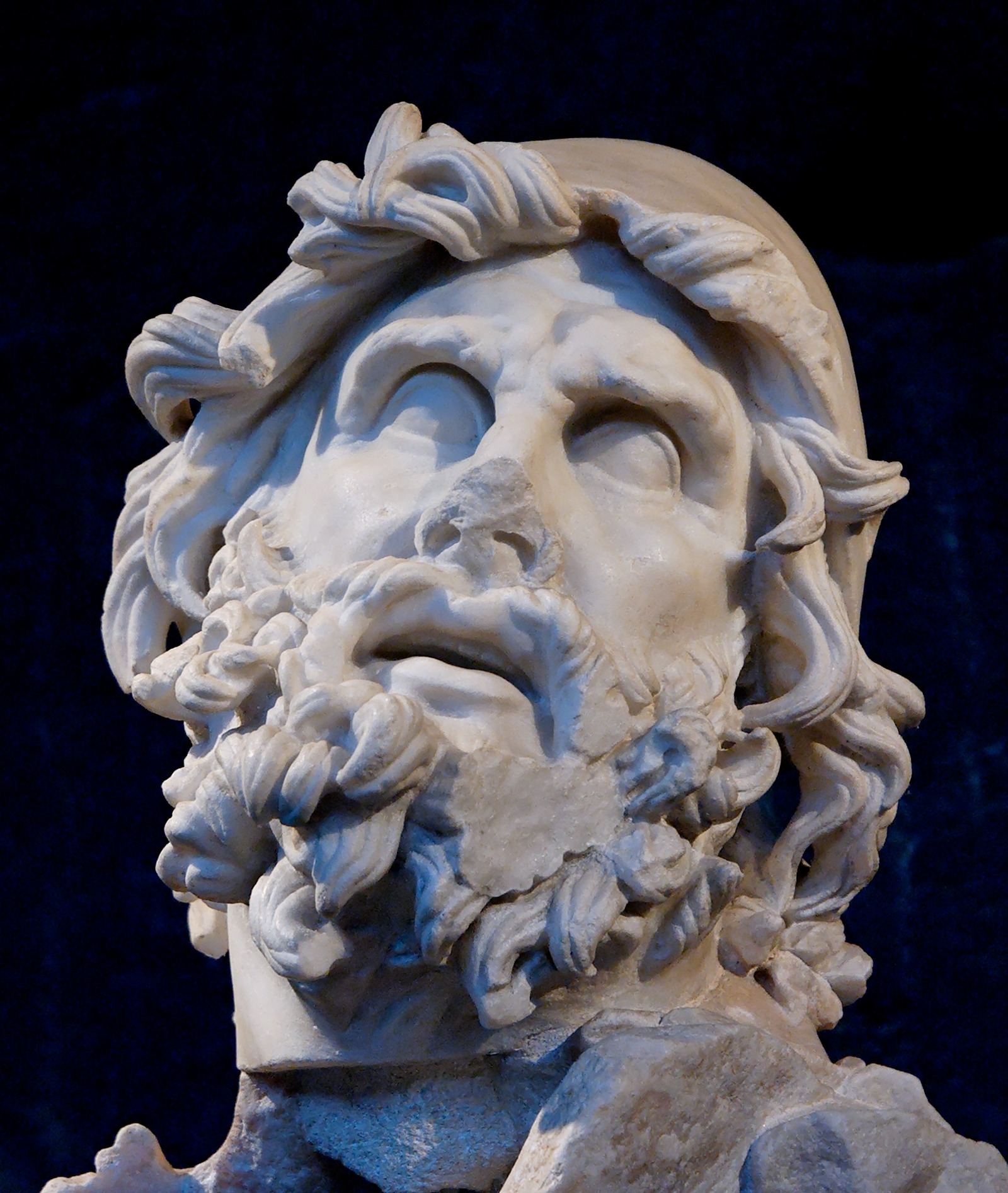
The Odyssey stands as one of the greatest adventure stories ever told, an epic poem that has captivated readers for nearly three millennia with its tale of Odysseus's ten-year journey home from the Trojan War. This magnificent work, traditionally attributed to Homer and composed in the 8th century BCE, represents the pinnacle of ancient storytelling whilst exploring profound themes of identity, loyalty, cunning, and the meaning of home that continue to resonate with contemporary audiences.
Introduction
Comprising 12,110 lines of dactylic hexameter verse divided into twenty-four books, the Odyssey follows the wandering hero Odysseus as he struggles against divine wrath, supernatural obstacles, and human folly in his desperate attempt to return to his kingdom of Ithaca and reunite with his faithful wife Penelope and son Telemachus. The epic masterfully weaves together multiple narrative threads whilst creating one of literature's most complex and psychologically sophisticated protagonists.
Far more than a simple adventure tale, the Odyssey explores fundamental questions about human nature, the relationship between civilisation and wildness, the importance of wit over strength, and the transformative power of suffering and experience. The poem's enduring influence on Western literature derives from its perfect balance of exciting narrative, psychological insight, moral complexity, and artistic excellence that established lasting models for storytelling whilst addressing universal human concerns.
The Odyssey's Journey Structure
- Books 1-4: The Telemachy - Telemachus's search for his father
- Books 5-8: Odysseus with the Phaeacians - storytelling framework
- Books 9-12: Odysseus's adventures - the wanderings
- Books 13-16: Return to Ithaca - recognition and preparation
- Books 17-20: The beggar in his own home
- Books 21-24: The contest and restoration
Historical and Literary Context
Companion to the Iliad
The Odyssey serves as a thematic and artistic companion to the Iliad, exploring different aspects of heroic experience whilst demonstrating the breadth of Homeric vision and storytelling capability. Where the Iliad focuses on the tragic heroism of warfare and the pursuit of glorious death, the Odyssey celebrates survival, adaptability, and the heroism of return and renewal.
This complementary relationship demonstrates the scope of early Greek epic poetry whilst providing contrasting models for understanding heroic values and human excellence. Together, the two epics encompass the full range of heroic experience from youth to maturity, war to peace, tragic loss to comic restoration, establishing comprehensive frameworks for understanding human nature and moral choice.
Oral Tradition and Written Composition
Like the Iliad, the Odyssey emerged from a sophisticated oral tradition that preserved and transmitted stories through professional bards who performed at aristocratic gatherings and public festivals. The epic's complex narrative structure, with its flashbacks, parallel plots, and sophisticated character development, demonstrates how oral poetry could achieve remarkable artistic sophistication whilst maintaining the musical qualities and traditional elements that characterised performed verse.
The transition from oral to written composition allowed for greater narrative complexity and psychological depth whilst preserving the formulaic language and traditional themes that gave the poetry its cultural authority. The Odyssey thus represents both the culmination of oral storytelling tradition and the beginning of literary fiction that would influence narrative art throughout Western culture.
Cultural Values and Social Context
The world of the Odyssey reflects aristocratic Greek society of the early Archaic period, emphasising values of hospitality (xenia), loyalty, cunning intelligence (metis), and the importance of reputation and social position. These cultural elements provide the moral framework within which the epic's adventures and conflicts take place whilst demonstrating how traditional values could adapt to changing circumstances.
The epic's treatment of social relationships, particularly the obligations between hosts and guests, rulers and subjects, and husbands and wives, provides valuable insight into early Greek society whilst exploring tensions between individual desire and social responsibility that remain relevant to contemporary experience.
Narrative Structure and Artistic Innovation
Complex Chronological Organisation
The Odyssey employs a sophisticated narrative structure that begins in medias res with Telemachus's search for his father, then moves to Odysseus's current situation before flashing back to recount his adventures through his own storytelling to the Phaeacians. This complex organisation creates suspense whilst allowing for multiple perspectives on the hero's character and experiences.
This narrative innovation demonstrates remarkable artistic sophistication whilst serving practical functions for oral performance and audience engagement. The flashback structure allows the poet to combine immediate dramatic interest with comprehensive character development whilst creating opportunities for varied narrative voices and perspectives.
The Telemachy and Parallel Structure
The opening four books, known as the Telemachy, follow Odysseus's son Telemachus as he searches for news of his father whilst maturing from passive youth to active hero. This parallel narrative provides character development for Telemachus whilst preparing for his crucial role in the epic's resolution and demonstrating how heroic qualities can be inherited and developed through experience.
The Telemachy serves multiple artistic functions, establishing the situation in Ithaca, developing themes of growth and identity, and creating suspense about Odysseus's fate whilst introducing important supporting characters and providing exposition about the political and social situation that will determine the epic's resolution.
Embedded Narratives and Storytelling
The Odyssey contains numerous embedded narratives, including Odysseus's long account of his adventures to the Phaeacians, various characters' tales of their own experiences, and the bard's songs that provide entertainment and moral instruction. This technique creates narrative variety whilst exploring themes about the power and importance of storytelling itself.
These embedded narratives demonstrate how stories function within the epic's world whilst providing opportunities for different narrative voices and perspectives. The importance placed on storytelling within the epic reflects its own status as oral literature whilst exploring how narratives preserve memory, provide entertainment, and transmit cultural values.
Narrative Innovations in the Odyssey
- Medias Res Opening: Beginning in the middle of the story
- Flashback Structure: Complex chronological organisation
- Multiple Perspectives: Different viewpoints on same events
- Parallel Plots: Telemachus and Odysseus storylines
- Embedded Narratives: Stories within the larger story
Odysseus: The Complex Hero
The Many-Sided Man
Odysseus, described in the epic's opening line as polytropos (the man of many turns/ways), represents a new kind of hero whose strength lies in intelligence, adaptability, and psychological complexity rather than mere physical prowess. Unlike the straightforward heroism of Achilles in the Iliad, Odysseus embodies wit, cunning, and survival instincts that enable him to overcome obstacles through cleverness rather than force.
This characterisation established Odysseus as the archetypal trickster hero whose intelligence enables survival and eventual triumph whilst raising questions about the moral implications of deception and manipulation. The epic's treatment of Odysseus's cunning demonstrates both its practical value and ethical ambiguity, creating a morally complex protagonist who achieved his goals through questionable means.
Psychological Development and Transformation
Throughout his journey, Odysseus undergoes significant psychological development, learning patience, humility, and self-control through suffering and experience. His transformation from the proud warrior who claimed credit for the Trojan Horse to the patient beggar who endures insults in his own home demonstrates character growth that adds depth to the adventure narrative.
This psychological evolution provides the epic with emotional and moral significance beyond mere adventure story, showing how experience can lead to wisdom whilst exploring themes of identity, self-knowledge, and personal growth that became central to subsequent literature and psychological understanding.
The Tension Between Adventure and Responsibility
Odysseus embodies the tension between the desire for adventure and exploration and the obligations of leadership and family responsibility. His extended journey results partly from his own choices and character flaws, particularly his pride and curiosity, which delay his return whilst providing opportunities for growth and self-discovery.
This internal conflict between wandering and homecoming reflects broader themes about the relationship between individual fulfilment and social obligation whilst demonstrating how personal weaknesses can become sources of strength through proper understanding and application.
Odysseus as Everyman and Exceptional Individual
The character of Odysseus combines universal human qualities with exceptional abilities, making him both relatable and admirable whilst avoiding simple identification or complete distance. His struggles with temptation, his love for his family, and his desire to return home reflect common human experiences, whilst his intelligence, courage, and determination demonstrate exceptional human potential.
This combination of universal and exceptional qualities enabled Odysseus to become one of literature's most enduring and influential characters, providing a model for heroism that emphasises wit and perseverance rather than mere physical strength whilst maintaining psychological complexity and moral ambiguity.
Odysseus's Key Character Traits
- Metis (Cunning Intelligence): Strategic thinking and clever problem-solving
- Curiosity: Desire for knowledge and new experiences
- Adaptability: Ability to adjust to changing circumstances
- Perseverance: Determination to achieve long-term goals
- Loyalty: Commitment to family and companions
- Pride: Both strength and weakness in his character
Supporting Characters and Relationships
Penelope: The Faithful Wife
Penelope represents one of literature's greatest female characters, demonstrating intelligence, loyalty, and strategic thinking that match Odysseus's own whilst maintaining her distinctive identity and moral integrity. Her famous weaving and unweaving of Laertes' shroud demonstrates cunning that rivals her husband's whilst serving different ethical purposes.
Penelope's character provides counterpoint to Odysseus's adventures whilst exploring themes of feminine virtue, marital loyalty, and the challenges facing women in aristocratic society. Her intelligence and steadfastness make her a worthy partner for Odysseus whilst establishing her as an independent character with her own moral agency and strategic capabilities.
Telemachus: The Maturing Hero
Telemachus's development from passive youth to active hero provides one of the epic's most satisfying character arcs whilst demonstrating how heroic qualities can be inherited and developed through experience and proper guidance. His journey from Ithaca to Pylos and Sparta represents both literal travel and metaphorical passage to maturity.
The relationship between Telemachus and Odysseus explores themes of fathers and sons, inheritance of values and responsibilities, and the importance of proper guidance in heroic development. Their reunion and cooperation in the epic's climax demonstrates how family bonds can provide both emotional satisfaction and practical effectiveness.
Athena: The Divine Helper
Athena serves as Odysseus's divine patron and protector, providing assistance whilst respecting human agency and responsibility. Her interventions in the epic demonstrate divine interest in human affairs whilst maintaining the importance of human effort and moral choice in achieving ultimate success.
The relationship between Odysseus and Athena represents the ideal cooperation between divine wisdom and human intelligence, showing how proper respect for divine authority can enhance rather than replace human capabilities. Athena's character embodies wisdom, strategic thinking, and justice whilst maintaining feminine identity and divine authority.
The Suitors: Embodiment of Disorder
The suitors who plague Penelope and consume Odysseus's estate represent social disorder, lack of proper respect for hospitality, and the breakdown of traditional values that threaten civilised society. Their behaviour provides negative examples that highlight the positive values embodied by the epic's heroes whilst creating the conflict that drives the story's resolution.
The suitors' characterisation as a group rather than individuals emphasises their function as representatives of social chaos rather than complex characters in their own right, though their leader Antinous receives enough development to provide a specific focus for the audience's disapproval and the hero's justified revenge.
The Journey and Adventures
The Cicones and Lessons in Leadership
Odysseus's encounter with the Cicones, where his men's failure to follow orders results in unnecessary casualties, establishes early themes about leadership challenges and the consequences of indiscipline. This episode demonstrates how even successful raids can become disasters through lack of proper command authority and foresight.
The Cicones episode introduces the pattern of adventures where Odysseus's superior intelligence and experience contrast with his men's weakness and short-sightedness, establishing the psychological and moral framework that will determine subsequent encounters whilst providing early illustration of leadership challenges.
The Lotus-Eaters and Temptation of Forgetfulness
The encounter with the Lotus-Eaters presents the first of many temptations that threaten Odysseus's mission to return home, specifically the appeal of forgetfulness and escape from responsibility. The lotus fruit's power to make men forget their homes and duties represents the psychological temptation to abandon difficult obligations in favour of immediate pleasure.
This episode establishes themes about the importance of memory, duty, and resistance to easy solutions that avoid genuine responsibility. Odysseus's forcible rescue of his affected men demonstrates leadership qualities whilst exploring the tension between individual choice and collective responsibility.
The Cyclops Polyphemus: Intelligence versus Brute Force
The famous encounter with the Cyclops Polyphemus represents the epic's most detailed exploration of intelligence triumphing over brute force whilst demonstrating both Odysseus's cleverness and the pride that often creates additional problems. The hero's use of wine, the stake, and the "Nobody" trick demonstrates strategic thinking whilst his revelation of his true name shows how pride can undermine practical success.
This adventure establishes Poseidon's enmity toward Odysseus, providing the divine obstacle that extends his journey whilst demonstrating how individual actions can have far-reaching consequences. The episode also explores themes of civilisation versus barbarism, hospitality versus hostility, and the relationship between justice and revenge.
Aeolus and the Bag of Winds: Trust and Leadership
The episode with Aeolus, who provides winds to speed Odysseus's journey home, demonstrates how lack of trust and communication between leader and followers can destroy even divine assistance. The crew's suspicion that Odysseus is hiding treasure leads them to open the wind bag just as Ithaca comes into sight, resulting in their return to wandering.
This adventure emphasises themes about leadership, trust, and the importance of clear communication whilst showing how human weaknesses can undermine divine favour. The cruel irony of coming so close to home before being blown away again intensifies the epic's exploration of suffering and perseverance.
The Laestrygonians: Escalating Dangers
The encounter with the cannibalistic Laestrygonians represents escalating danger in Odysseus's adventures whilst demonstrating how careful reconnaissance and strategic retreat can sometimes provide the only viable response to overwhelming force. This episode reduces Odysseus's fleet from twelve ships to one, intensifying the stakes for subsequent adventures.
The Laestrygonian episode shows that intelligence and courage cannot overcome every obstacle through direct confrontation, establishing the importance of knowing when to fight and when to flee whilst preparing for the more complex challenges that follow.
Major Adventures and Their Themes
- Lotus-Eaters: Temptation of forgetfulness and escape
- Cyclops: Intelligence versus brute force
- Aeolus: Trust and communication in leadership
- Laestrygonians: Knowing when to retreat
- Circe: Transformation and knowledge
- Sirens: Dangerous allure of knowledge
- Scylla and Charybdis: Impossible choices
Supernatural Encounters and Mythological Significance
Circe: The Enchantress and Teacher
Circe represents one of the Odyssey's most complex supernatural figures, initially appearing as a dangerous enchantress who transforms men into animals before becoming Odysseus's lover, advisor, and guide to the underworld. This transformation in her role reflects the epic's exploration of how understanding and proper approach can transform apparent enemies into allies.
Circe's island provides Odysseus with respite, crucial information about future challenges, and the mystical knowledge necessary for his journey to Hades. Her character embodies the ambivalent nature of supernatural power whilst demonstrating how intelligence and proper preparation can overcome even magical obstacles.
The Journey to Hades: Confronting Death
Odysseus's descent to the underworld (katabasis) represents the epic's most profound exploration of mortality, memory, and the relationship between past and present. His encounters with the dead, particularly his mother Anticlea, the prophet Tiresias, and the heroes of the Trojan War, provide both emotional impact and practical guidance for his journey.
The underworld episode serves multiple functions: providing prophecy about Odysseus's future, enabling reunion with deceased loved ones, demonstrating the hero's courage in facing death, and exploring themes about memory, honour, and the meaning of existence that add philosophical depth to the adventure narrative.
The Sirens: Knowledge and Temptation
The encounter with the Sirens, who lure sailors to their deaths with promises of complete knowledge, represents the intellectual temptation that complements the physical dangers of other adventures. Odysseus's solution—having himself bound to the mast whilst his crew blocks their ears—demonstrates how preparation and self-knowledge can enable someone to experience temptation whilst avoiding its destructive consequences.
This episode explores the relationship between curiosity and danger whilst questioning whether some knowledge is too dangerous to pursue. Odysseus's unique ability to hear the Sirens' song and survive provides metaphorical comment on the poet's own position as someone who can explore dangerous territories through imagination whilst avoiding their literal perils.
Scylla and Charybdis: Tragic Choices
The passage between the six-headed monster Scylla and the whirlpool Charybdis forces Odysseus to make tragic choices where survival requires accepting certain losses rather than attempting impossible salvation for all. His decision to lose six men to Scylla rather than risk his entire ship to Charybdis demonstrates mature leadership that prioritises practical over idealistic outcomes.
This episode explores themes about leadership responsibility, the necessity of tragic choices, and the limitations of even heroic agency in determining outcomes. The phrase "between Scylla and Charybdis" entered common usage as a metaphor for impossible choices between equally undesirable alternatives.
The Cattle of the Sun: Final Test
The episode on the island of the Sun, where Odysseus's remaining crew violate divine prohibition by killing the sacred cattle, provides the final test that demonstrates the complete breakdown of group discipline and the hero's isolation from his original companions. This violation of divine law ensures the crew's destruction whilst leaving Odysseus alone for his final adventures.
This episode emphasises themes about respect for divine authority, the consequences of short-term thinking over long-term benefit, and the tragic isolation that sometimes accompanies heroic survival. Odysseus's survival as the sole remaining member of his original expedition intensifies the personal nature of his final struggles and ultimate reunion with his family.
Major Themes and Symbolic Patterns
The Meaning of Home and Identity
The Odyssey's exploration of homecoming (nostos) encompasses both literal return to a geographical place and metaphorical recovery of identity, relationships, and proper social position. Odysseus's journey represents not merely travel through space but transformation through experience that prepares him for renewed responsibility and leadership.
The epic's treatment of home extends beyond simple nostalgia to examine what makes a place worthy of such devotion and sacrifice. Ithaca represents not just geographical territory but a complex web of relationships, responsibilities, and cultural values that give meaning to individual existence whilst providing stable foundation for community life.
Hospitality (Xenia) and Social Order
The theme of hospitality runs throughout the Odyssey, providing the moral framework for evaluating characters and demonstrating the importance of civilised social relationships. Proper hospitality represents respect for divine law and human dignity, whilst violations of guest-host relationships indicate social breakdown and moral corruption.
The contrast between proper hosts like the Phaeacians and improper guests like the suitors demonstrates how social order depends on mutual respect and shared values. The epic's emphasis on hospitality reflects its aristocratic audience's values whilst providing universal principles for evaluating human behaviour and social relationships.
Loyalty and Testing
The Odyssey extensively explores different forms of loyalty—marital, familial, political, and personal—through various characters who face tests of their fundamental commitments. Penelope's faithfulness, Telemachus's devotion, Eumaeus's service, and Odysseus's determination to return home all demonstrate different aspects of loyalty whilst showing how such commitments can survive extended separation and hardship.
The epic's treatment of loyalty examines both its demands and rewards whilst questioning the limits of reasonable expectation. The testing of loyalty through disguise, deception, and challenge provides dramatic tension whilst exploring how genuine commitment can be distinguished from mere appearance or convenience.
Appearance versus Reality
The theme of appearance versus reality permeates the Odyssey through Odysseus's various disguises, Athena's transformations, the magical episodes, and the general uncertainty about identity and truth that characterises the epic's world. This theme reflects both the practical use of deception in achieving goals and deeper questions about the nature of identity and knowledge.
The epic's extensive use of disguise and revelation creates dramatic excitement whilst exploring philosophical questions about how we know reality and judge character. The tension between surface appearance and hidden truth becomes both a practical tool for the hero and a metaphorical comment on the human condition.
Intelligence versus Force
Throughout the epic, intelligence (metis) consistently proves superior to brute force in overcoming obstacles and achieving goals. Odysseus's success depends on strategic thinking, adaptability, and creative problem-solving rather than mere physical strength, establishing intellectual prowess as a legitimate form of heroism.
This emphasis on intelligence reflects changing cultural values that recognised the importance of mental agility in complex social and political environments. The epic's celebration of wit and cunning provided alternative models for heroic achievement whilst questioning earlier emphasis on martial prowess alone.
Central Themes in the Odyssey
- Homecoming (Nostos): Return to place, family, and identity
- Hospitality (Xenia): Proper treatment of guests and strangers
- Loyalty and Faithfulness: Commitment despite separation and hardship
- Intelligence versus Force: Mental superiority over physical strength
- Appearance versus Reality: Truth hidden beneath surface appearance
- Growth and Maturation: Learning through experience and suffering
The Return to Ithaca and Recognition
The Phaeacians and the Art of Storytelling
Odysseus's sojourn among the Phaeacians provides the narrative framework for his account of his adventures whilst demonstrating the cultural importance of storytelling and the proper reception of strangers. The Phaeacians' sophisticated civilisation and generous hospitality establish ideals for social behaviour whilst their magical ships provide the means for Odysseus's final approach to Ithaca.
The Phaeacian episode emphasises the power of narrative to create understanding and sympathy whilst showing how proper telling and hearing of stories can bridge cultural differences and create human connection. The generous response to Odysseus's tales demonstrates how good storytelling can earn practical rewards whilst preserving cultural memory and transmitting wisdom.
Disguise and Strategic Deception
Odysseus's return to Ithaca disguised as a beggar enables him to assess the situation whilst testing the loyalty of his household and planning his response to the suitors' occupation of his home. This extended deception demonstrates both practical wisdom and psychological discipline whilst creating opportunities for dramatic irony and character revelation.
The disguise motif explores questions about identity, recognition, and the relationship between external appearance and internal character. Odysseus's ability to maintain his disguise despite extreme provocation shows personal growth and strategic thinking whilst building suspense toward the climactic revelation of his true identity.
Recognition Scenes and Emotional Reunions
The Odyssey contains some of literature's most moving recognition scenes, beginning with Odysseus's dog Argos and culminating in his reunion with Penelope. These scenes balance emotional satisfaction with narrative necessity whilst exploring themes about memory, identity, and the changes that time and experience create in relationships.
The graduated revelation of Odysseus's identity—from his dog through his nurse Eurycleia and loyal servants to his son and finally his wife—creates dramatic progression whilst examining different types of recognition and relationship. Each recognition scene serves different emotional and narrative functions whilst contributing to the epic's exploration of love, loyalty, and reunion.
The Test of the Bow
The contest of the bow, where suitors compete for Penelope's hand by attempting to string Odysseus's massive bow and shoot through twelve axe heads, provides the mechanism for the epic's climactic action whilst demonstrating the hero's unique qualifications for leadership. Only Odysseus possesses the strength and skill necessary to complete this task, establishing his superior claim to authority.
This episode combines symbolic meaning with practical plot function, showing how physical prowess remains important even in an epic that emphasises intelligence whilst providing the opportunity for Odysseus to reveal himself and eliminate his enemies simultaneously. The bow itself serves as symbol of heroic identity and legitimate authority.
Recognition Sequence in Ithaca
- Argos the Dog: Instinctive animal recognition
- Eurycleia the Nurse: Recognition through the scar
- Eumaeus the Swineherd: Recognition through revelation
- Telemachus: Father-son reunion
- Penelope: Recognition through intimate knowledge
- Laertes: Recognition through shared memories
The Slaughter of the Suitors and Resolution
Justice and Revenge
The slaughter of the suitors represents the epic's complex treatment of justice and revenge, where Odysseus's actions can be seen as both legitimate punishment for violations of hospitality and excessive violence that raises moral questions about proportionate response. The epic presents this violence as necessary restoration of order whilst acknowledging its brutal nature.
The moral complexity of the suitors' deaths reflects broader questions about justice, authority, and the use of violence in maintaining social order that were relevant to the epic's aristocratic audience whilst remaining problematic for contemporary readers. Homer neither condemns nor completely endorses the violence, instead presenting it as the inevitable consequence of the suitors' behaviour.
Restoration of Order
Following the elimination of the suitors, the epic addresses practical questions about political stability and social reconciliation that follow violent regime change. The intervention of Athena and Zeus establishes divine approval for the restoration whilst Odysseus's mercy toward some servants demonstrates the possibility of forgiveness alongside punishment.
The restoration sequence emphasises themes about legitimate authority, proper social hierarchy, and the importance of divine sanction in political arrangements whilst providing closure for the epic's exploration of disorder and renewal.
The Final Recognition with Penelope
The ultimate recognition scene between Odysseus and Penelope represents the emotional climax of the epic whilst demonstrating how genuine intimacy requires more than mere physical identification. Penelope's test of Odysseus through the secret of their marriage bed shows that true recognition involves shared knowledge and experience that cannot be counterfeited.
This scene provides perfect resolution for the epic's themes of loyalty, identity, and homecoming whilst demonstrating how marriage partners who have maintained faithfulness through separation can achieve renewed intimacy through patient understanding and mutual testing.
Peace and Reconciliation
The epic's conclusion addresses the broader social consequences of Odysseus's return and the suitors' deaths through the families' desire for revenge and the gods' intervention to establish lasting peace. This resolution emphasises divine interest in human stability whilst showing how cycles of violence can be broken through proper authority and wisdom.
The final reconciliation demonstrates that individual heroic achievement must ultimately serve community welfare whilst providing hope that personal conflicts can be resolved through divine assistance and human wisdom working together.
Literary Techniques and Artistic Excellence
Narrative Complexity and Structure
The Odyssey demonstrates remarkable narrative sophistication through its use of parallel plots, embedded stories, flashback sequences, and multiple perspectives that create artistic complexity whilst maintaining coherent overall structure. This technical mastery established lasting models for narrative art whilst serving the practical needs of oral performance and audience engagement.
The epic's structural innovations, including its delayed revelation of the protagonist and its integration of multiple storylines, influenced subsequent narrative art throughout Western literature whilst demonstrating how traditional oral techniques could achieve effects comparable to written composition.
Characterisation and Psychological Depth
Homer's characterisation in the Odyssey achieves remarkable psychological depth through consistent personality traits, believable character development, and complex motivations that transcend simple heroic stereotypes. Characters like Odysseus, Penelope, and Telemachus demonstrate internal conflicts and growth that make them psychologically convincing whilst maintaining their heroic stature.
This psychological realism combined with heroic subject matter established lasting models for literary characterisation whilst demonstrating how epic poetry could address human complexity without sacrificing narrative excitement or cultural authority.
Symbolic and Metaphorical Language
The Odyssey employs extensive symbolic and metaphorical language that creates multiple levels of meaning whilst maintaining surface narrative clarity. Images of weaving, sailing, hunting, and hospitality function both literally within the story and metaphorically in relation to larger themes about human experience and social order.
This symbolic richness rewards careful reading whilst remaining accessible to audiences primarily interested in narrative excitement, demonstrating how sophisticated literary art can serve multiple functions and audience interests simultaneously.
Integration of Fantastic and Realistic Elements
The epic masterfully integrates supernatural adventures with realistic social situations, creating a fictional world that accommodates both magical episodes and psychologically convincing character interactions. This integration established lasting models for fantasy literature whilst exploring the relationship between imagination and reality.
The seamless combination of realistic and fantastic elements demonstrates Homer's artistic skill whilst serving thematic functions that explore the nature of experience, memory, and storytelling itself.
Key Literary Achievements
- Complex Narrative Structure: Multiple plots and chronological levels
- Psychological Realism: Complex character development and motivation
- Symbolic Language: Multiple levels of meaning and interpretation
- Genre Integration: Combination of adventure, romance, and social commentary
- Thematic Unity: Coherent exploration of homecoming and identity
Cultural and Religious Dimensions
Divine Intervention and Human Agency
The Odyssey presents a complex theological framework where divine intervention assists human effort without replacing human responsibility and moral choice. Gods help those who help themselves whilst punishing violations of cosmic order, creating a universe where human actions have consequences whilst divine justice ultimately prevails.
This theological sophistication allows exploration of moral complexity without reducing human action to simple divine manipulation whilst providing assurance that virtue will ultimately be rewarded and vice punished. The interaction between divine and human agency creates both dramatic tension and moral instruction.
Social Values and Aristocratic Culture
The epic reflects and validates aristocratic Greek values whilst examining their practical application and moral implications through various characters and situations. Values like hospitality, loyalty, honour, and proper treatment of dependents receive both positive illustration and critical examination throughout the narrative.
This cultural dimension provides historical insight into early Greek society whilst exploring universal questions about social responsibility, leadership obligations, and the relationship between individual excellence and community welfare.
The Role of Women
The Odyssey presents a remarkably varied and sophisticated portrayal of women through characters like Penelope, Athena, Circe, and others who demonstrate intelligence, power, and moral agency whilst operating within the constraints of patriarchal society. These female characters transcend simple stereotypes whilst reflecting the social realities of their historical context.
The epic's treatment of women explores questions about virtue, power, and social position that were relevant to its original audience whilst creating female characters whose complexity and dignity continue to reward contemporary analysis and appreciation.
Influence on Later Literature
The Journey Narrative Tradition
The Odyssey established the journey narrative as a fundamental literary pattern that has influenced countless subsequent works from Virgil's Aeneid through medieval romance to contemporary fiction. The pattern of departure, adventure, transformation, and return provides a flexible framework for exploring character development and thematic concerns whilst maintaining narrative interest.
This influence extends beyond mere plot structure to encompass psychological patterns of growth, symbolic uses of travel and displacement, and the integration of episodic adventures with overall thematic unity that characterised much subsequent narrative art.
The Trickster Hero
Odysseus established the trickster hero as a literary archetype that influenced characterisation throughout Western literature whilst providing alternative models for heroic achievement that emphasise intelligence over strength. This character type appears in various forms from medieval literature through contemporary fiction, demonstrating the enduring appeal of wit and cunning as heroic qualities.
The moral complexity of the trickster hero—whose methods may be questionable whilst his goals remain admirable—continues to provide rich material for exploring ethical questions about means and ends in human behaviour.
Romance and Adventure Literature
The Odyssey's combination of adventure, romance, and domestic resolution established lasting patterns for popular literature that combines exciting incident with emotional satisfaction. The epic's influence can be traced through medieval romance, Renaissance epic, and modern adventure fiction whilst its exploration of love and loyalty continues to influence romantic literature.
This popular influence demonstrates the epic's broad appeal whilst validating the combination of entertainment with serious thematic content that characterises lasting literary achievement.
Modernist and Contemporary Adaptations
Modern writers like James Joyce, Nikos Kazantzakis, and many others have found in the Odyssey a rich source for contemporary adaptation and reinterpretation, demonstrating the epic's continued relevance whilst exploring how ancient patterns can address modern concerns and experiences.
These adaptations validate the universality of Homeric themes whilst showing how classical literature can inspire contemporary innovation rather than merely serving as historical curiosity or cultural monument.
Enduring Literary Influences
- Journey/Quest Narrative: Pattern of departure, adventure, and return
- Trickster Hero: Intelligence and cunning as heroic qualities
- Recognition Scenes: Dramatic revelation of identity
- Frame Narratives: Stories within larger narrative structures
- Homecoming Theme: Return to place, family, and identity
Philosophical and Psychological Insights
Identity and Self-Knowledge
The Odyssey explores fundamental questions about personal identity through Odysseus's various disguises, transformations, and the challenges of recognition after extended absence. The epic examines how identity persists through change whilst questioning what constitutes essential selfhood beyond mere physical appearance or social position.
This exploration of identity anticipates later philosophical and psychological investigations whilst providing narrative embodiment of abstract concepts through concrete dramatic situations that make complex ideas accessible and emotionally engaging.
Memory and Cultural Transmission
The epic's emphasis on storytelling, memory, and cultural preservation provides insight into how societies maintain continuity and transmit values across generations. The various embedded narratives demonstrate how stories preserve both historical information and moral instruction whilst providing entertainment and cultural identity.
This aspect of the epic illuminates its own function as cultural preservation whilst exploring how narrative art serves educational and social functions that extend beyond mere entertainment.
The Psychology of Temptation and Resistance
Odysseus's encounters with various temptations—from the Lotus-Eaters through the Sirens to Circe and Calypso—provide sophisticated analysis of psychological resistance and self-control whilst exploring how knowledge and preparation can enable someone to experience temptation without succumbing to destructive consequences.
These psychological insights remain relevant to contemporary understanding of addiction, impulse control, and moral development whilst demonstrating how literary art can provide practical wisdom through symbolic representation.
Educational and Cultural Impact
Foundation of Western Education
Throughout antiquity and beyond, the Odyssey served as a fundamental educational text that provided both linguistic instruction and moral guidance whilst establishing lasting patterns for the relationship between literature and cultural formation. The epic's combination of entertainment with instruction validated literary art whilst demonstrating its educational potential.
This educational function established lasting justifications for literary study whilst providing models for how imaginative literature could serve serious pedagogical purposes without sacrificing artistic excellence or cultural authority.
Moral and Ethical Instruction
The epic's complex moral universe, where characters face difficult choices with real consequences, provides rich material for ethical instruction whilst avoiding simple didacticism through its realistic portrayal of moral complexity and ambiguity. The various examples of good and bad behaviour offer guidance whilst acknowledging the difficulty of moral decision-making.
This moral complexity creates more sophisticated ethical instruction than simple exemplary tales whilst maintaining respect for individual moral agency and the challenges of practical decision-making in complex social environments.
Cultural Identity and Values
The Odyssey helped establish and preserve Greek cultural identity through its portrayal of proper social relationships, religious obligations, and personal virtues whilst providing shared reference points for educated discourse and cultural cohesion.
This cultural function extended beyond immediate Greek society to influence broader European cultural development whilst demonstrating how great literature can serve both aesthetic and social functions that enhance rather than conflict with each other.
Contemporary Relevance and Modern Interpretations
Immigration and Displacement
The Odyssey's themes of displacement, homelessness, and the search for belonging speak powerfully to contemporary experiences of immigration, exile, and cultural displacement whilst providing frameworks for understanding how individuals maintain identity whilst adapting to new circumstances.
Odysseus's status as perpetual stranger seeking home provides metaphorical insight into modern experiences of cultural alienation and the search for community whilst demonstrating how classical literature can illuminate contemporary social and psychological challenges.
Leadership and Crisis Management
Odysseus's leadership challenges, particularly his need to motivate followers whilst maintaining authority under extremely difficult circumstances, remain relevant to contemporary discussions of leadership, crisis management, and organisational effectiveness whilst providing historical perspective on enduring management challenges.
The epic's analysis of how personal qualities like intelligence, adaptability, and communication skills can overcome resource limitations provides insight into contemporary leadership theory whilst demonstrating the continuing relevance of classical wisdom.
Family and Relationship Dynamics
The epic's exploration of marriage, parent-child relationships, and extended family obligations speaks to contemporary concerns about family stability, intergenerational relationships, and the challenges of maintaining connections across time and distance whilst adapting to changed circumstances.
The relationship between Odysseus and Penelope, in particular, provides insights into how couples can maintain intimacy despite separation whilst exploring questions about trust, loyalty, and mutual recognition that remain central to human relationships.
"Tell me, Muse, of the man of many ways, who was driven far journeys, after he had sacked Troy's sacred citadel." - Opening lines of the Odyssey
Conclusion
The Odyssey stands as one of the supreme achievements in world literature, a masterpiece that has influenced virtually every subsequent work of Western narrative art whilst continuing to speak to contemporary readers about fundamental human experiences of journey, identity, loyalty, and homecoming. Homer's epic demonstrates the capacity of great literature to combine thrilling adventure with profound insight into human nature whilst maintaining artistic excellence that transcends cultural and temporal boundaries.
The epic's sophisticated narrative structure, complex characterisation, and thematic richness established lasting models for storytelling whilst its exploration of psychological and moral complexity created frameworks for understanding human behaviour that remain relevant today. The figure of Odysseus, with his combination of intelligence, determination, and human frailty, provides an enduring model for heroism that emphasises wit and perseverance rather than mere physical prowess.
The Odyssey's influence on subsequent literature extends far beyond mere imitation to encompass fundamental approaches to narrative organisation, character development, and thematic exploration that became central to Western literary tradition. From Virgil's Aeneid through Joyce's Ulysses to contemporary fiction, writers have found in Homer's epic both inspiration and technical innovation that demonstrates the continuing vitality of classical literature.
The epic's exploration of themes like homecoming, loyalty, intelligence versus force, and the relationship between appearance and reality addresses universal human concerns whilst providing specific cultural insight into early Greek society and values. This combination of universal relevance with historical specificity demonstrates how great literature can serve both aesthetic and educational functions whilst maintaining its capacity to entertain and inspire.
Perhaps most importantly, the Odyssey demonstrates literature's unique capacity to preserve and transmit cultural wisdom through beautiful and memorable expression whilst adapting to contemporary concerns and interpretations. The epic's continuing appeal validates the importance of classical education whilst showing how ancient insights remain relevant to modern experience and contemporary challenges.
In our increasingly globalised and mobile world, the Odyssey's themes of displacement, cultural adaptation, and the search for identity and belonging speak with particular urgency whilst its demonstration that intelligence and perseverance can overcome apparently insurmountable obstacles provides both practical guidance and emotional inspiration. Homer's epic reminds us that the journey home—whether literal or metaphorical—requires not only determination but wisdom, not only courage but intelligence, and not only individual effort but divine assistance and human cooperation.
The enduring power of the Odyssey lies in its perfect balance of exciting narrative with profound human insight, its combination of realistic psychology with mythological grandeur, and its integration of individual achievement with social responsibility. These qualities ensure that Homer's epic will continue to reward study and adaptation whilst providing future generations with access to some of humanity's deepest wisdom about the meaning of home, the importance of loyalty, and the transformative power of experience and suffering in the human journey toward understanding and fulfilment.