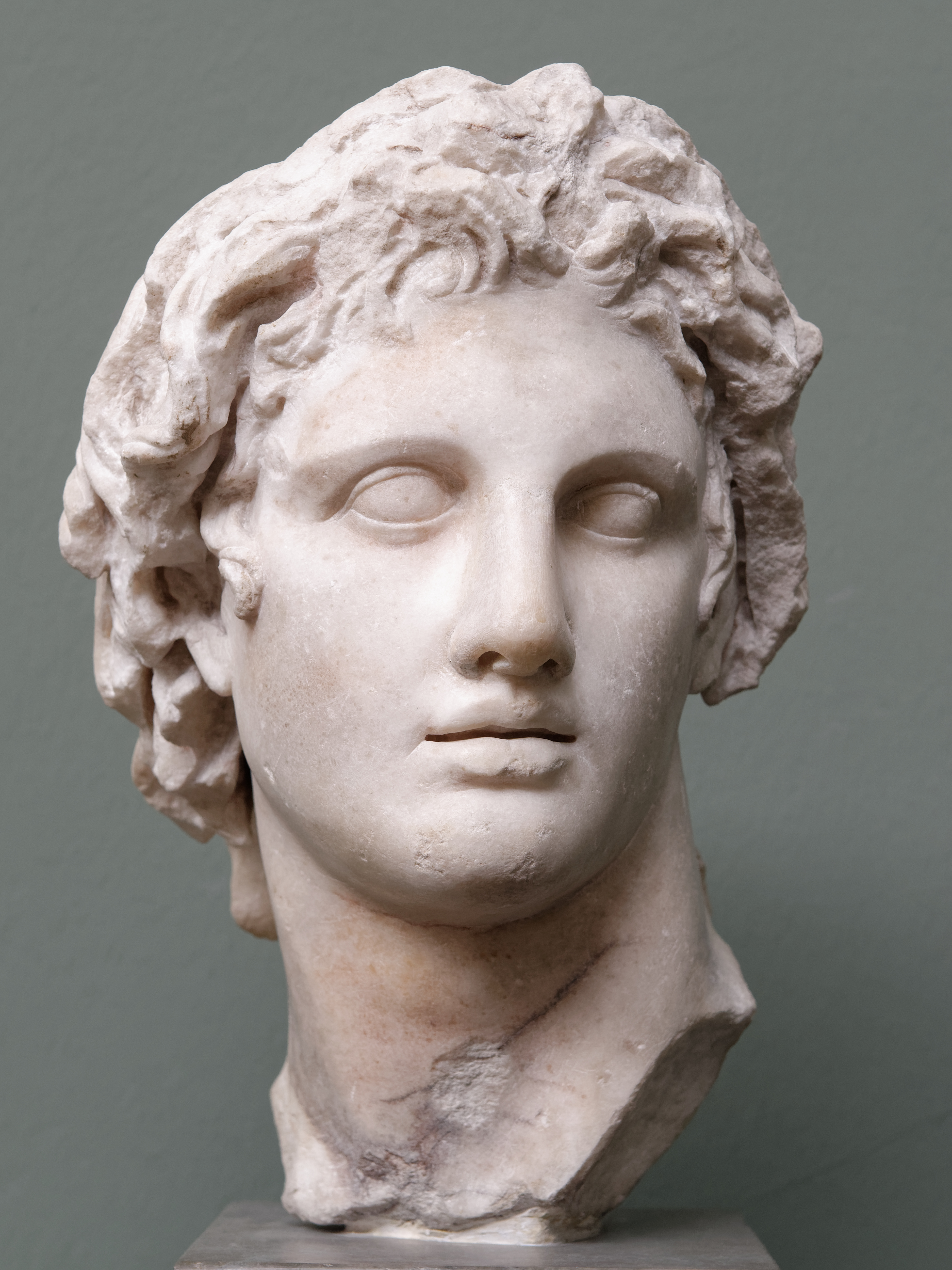
The Siege of Halicarnassus, fought in 334 BCE, was one of the earliest major operations in Alexander the Great’s campaign against the Persian Empire. Following his victory at the Battle of the Granicus, Alexander advanced along the western coast of Asia Minor to secure key cities and weaken Persian control of the region. Halicarnassus, a heavily fortified city and important naval base, became the focus of a determined and complex siege.
Strategic Background
After defeating Persian forces at the Granicus, Alexander sought to eliminate remaining centres of resistance in Asia Minor. Control of coastal cities was essential, as Persian naval power depended upon access to these harbours. By capturing them, Alexander could undermine the Persian fleet and secure his own supply lines.
Halicarnassus, located in Caria on the south-western coast of Asia Minor, was one of the strongest and best-defended cities in the region. It served as a base for Persian operations and was defended by experienced commanders, including the Greek mercenary Memnon of Rhodes.
The City and Its Defences
Halicarnassus was protected by formidable walls and strong fortifications. Its harbour and defensive towers made direct assault difficult. The city also benefited from naval support, allowing supplies and reinforcements to arrive by sea.
Memnon organised the defence carefully, understanding that delaying Alexander’s advance would benefit the Persian cause. The city’s strength ensured that the siege would not be a swift or straightforward engagement.
The Course of the Siege
Alexander began the siege by surrounding the city and preparing siege engines to breach the walls. Towers, battering rams, and other devices were employed to weaken the defences. The Macedonian army worked methodically to approach the fortifications.
The defenders launched counterattacks and set fire to siege equipment in an effort to disrupt Macedonian progress. Fighting was intense, and progress was gradual. Despite these obstacles, Alexander persisted, repairing damaged machinery and continuing his assaults.
Eventually, breaches were made in the walls. Recognising that the city could not be held indefinitely, Memnon withdrew much of his force by sea. Macedonian troops entered the city, securing control.
Aftermath and Consequences
The fall of Halicarnassus marked a significant step in Alexander’s consolidation of Asia Minor. Although parts of the city were damaged during the siege, its capture removed a major Persian stronghold.
With Halicarnassus subdued, Alexander continued his advance along the southern coast, further weakening Persian influence. The campaign demonstrated that fortified cities could not halt Macedonian progress for long.
Military Significance
The Siege of Halicarnassus highlighted Alexander’s skill in siege warfare. While later battles showcased dramatic cavalry charges, the siege illustrated the importance of engineering, patience, and coordinated assault.
The operation also revealed the resilience of Persian resistance, particularly under capable commanders such as Memnon. Nevertheless, Macedonian determination and superior organisation prevailed.
Historical Context and Legacy
Halicarnassus was also known for the Mausoleum of Mausolus, one of the most celebrated monuments of the ancient world. Although the siege focused on military objectives, the city’s cultural and architectural significance added to its prominence.
The capture of Halicarnassus reinforced Alexander’s reputation as a commander capable of overcoming strong defences. It also secured the western coastline of Asia Minor, ensuring that Persian naval power would no longer pose a significant threat.
Conclusion
The Siege of Halicarnassus was a crucial early episode in Alexander the Great’s campaign against Persia. Through persistence, engineering innovation, and strategic determination, he overcame a formidable fortified city.
The victory strengthened Macedonian control in Asia Minor and paved the way for further conquests. As part of Alexander’s broader campaign, the siege contributed to the steady dismantling of Persian authority and the expansion of Hellenistic influence across the eastern Mediterranean.