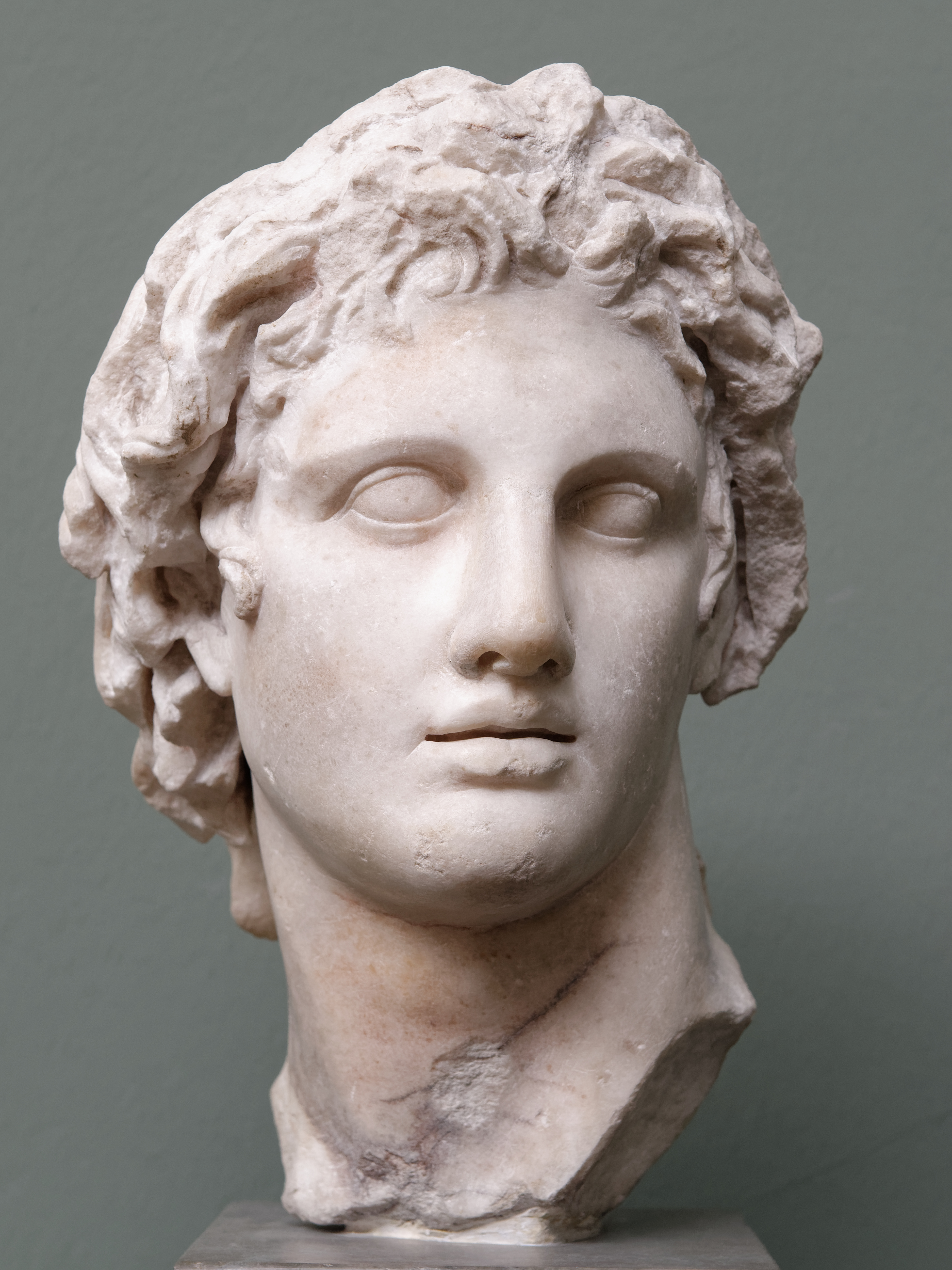
The Battle of the Persian Gate, fought in 330 BCE, was one of the most dramatic and difficult engagements of Alexander the Great’s campaign against the Persian Empire. Taking place in a narrow mountain pass in the Zagros Mountains of modern Iran, the battle pitted Alexander’s advancing Macedonian forces against a determined Persian defence led by the satrap Ariobarzanes. Often compared to the earlier Greek defence at Thermopylae, the confrontation demonstrated both the resilience of Persian resistance and Alexander’s determination to overcome natural and tactical obstacles.
Historical Background
Following his decisive victory at the Battle of Gaugamela in 331 BCE, Alexander marched into the heart of the Persian Empire. He captured key cities such as Babylon and Susa, securing immense wealth and symbolic authority.
His next objective was Persepolis, the ceremonial capital of the Achaemenid dynasty. To reach it, his army had to pass through the Zagros Mountains. It was there, at a narrow defile known as the Persian Gate, that Ariobarzanes prepared an ambush.
The Strategic Importance of the Pass
The Persian Gate was a narrow mountain pass offering a natural defensive position. Steep cliffs and restricted space limited the ability of a large army to manoeuvre effectively. For Ariobarzanes, this terrain offered the best opportunity to delay or even halt the Macedonian advance.
The defenders understood that open battle on the plains would likely result in defeat. By choosing the pass, they aimed to exploit geography to compensate for inferior numbers.
The Persian Ambush
As Alexander’s forces entered the narrow pass, Persian troops launched a surprise attack from elevated positions. Rocks, arrows, and other missiles rained down upon the Macedonian columns, causing significant casualties and confusion.
The constricted terrain prevented effective deployment of the Macedonian phalanx. The ambush initially forced Alexander to withdraw and reassess the situation. The engagement represented one of the rare moments in which his advance was checked by determined resistance.
Alexander’s Counter-Move
Determined not to be halted, Alexander sought an alternative route through the mountains. Guided by local intelligence, he led a detachment of troops along a difficult path to outflank the Persian defenders.
Once in position, Alexander attacked from the rear while his main force resumed pressure from the front. Caught between two Macedonian assaults, the Persian defenders were overwhelmed.
Ariobarzanes and his men fought bravely but were ultimately defeated. The pass was secured, and the route to Persepolis lay open.
Aftermath and Consequences
The fall of the Persian Gate allowed Alexander to continue his march into the Persian heartland. Shortly thereafter, he entered Persepolis, which he later famously burned, an act interpreted variously as revenge for earlier Persian invasions of Greece or as a symbolic assertion of conquest.
The battle marked one of the final organised attempts to block Alexander’s advance within the Persian core territories.
Military Significance
The Battle of the Persian Gate demonstrated the challenges of mountain warfare and the vulnerability of even the most disciplined army in difficult terrain. It also highlighted Alexander’s adaptability and willingness to employ alternative strategies when confronted with unexpected resistance.
The engagement showed that Persian resistance had not entirely collapsed following Gaugamela. Local leaders remained capable of mounting effective defence when terrain favoured them.
Historical Legacy
The battle has often been compared to Thermopylae, where Greek forces once used a narrow pass to resist a larger invading army. In this case, however, the Macedonians ultimately overcame the defenders through manoeuvre and persistence.
The confrontation stands as one of the most intense episodes of Alexander’s march through Persia, illustrating both the courage of Persian defenders and the relentless determination of the Macedonian king.
Conclusion
The Battle of the Persian Gate was a dramatic and hard-fought engagement during Alexander the Great’s conquest of Persia. In a narrow mountain pass, determined defenders momentarily halted the Macedonian advance through skilful use of terrain.
Through tactical adaptation and decisive manoeuvre, Alexander overcame the obstacle and secured access to Persepolis. The battle remains a testament to the complexities of mountain warfare and the enduring resilience of those who sought to defend the Persian homeland.