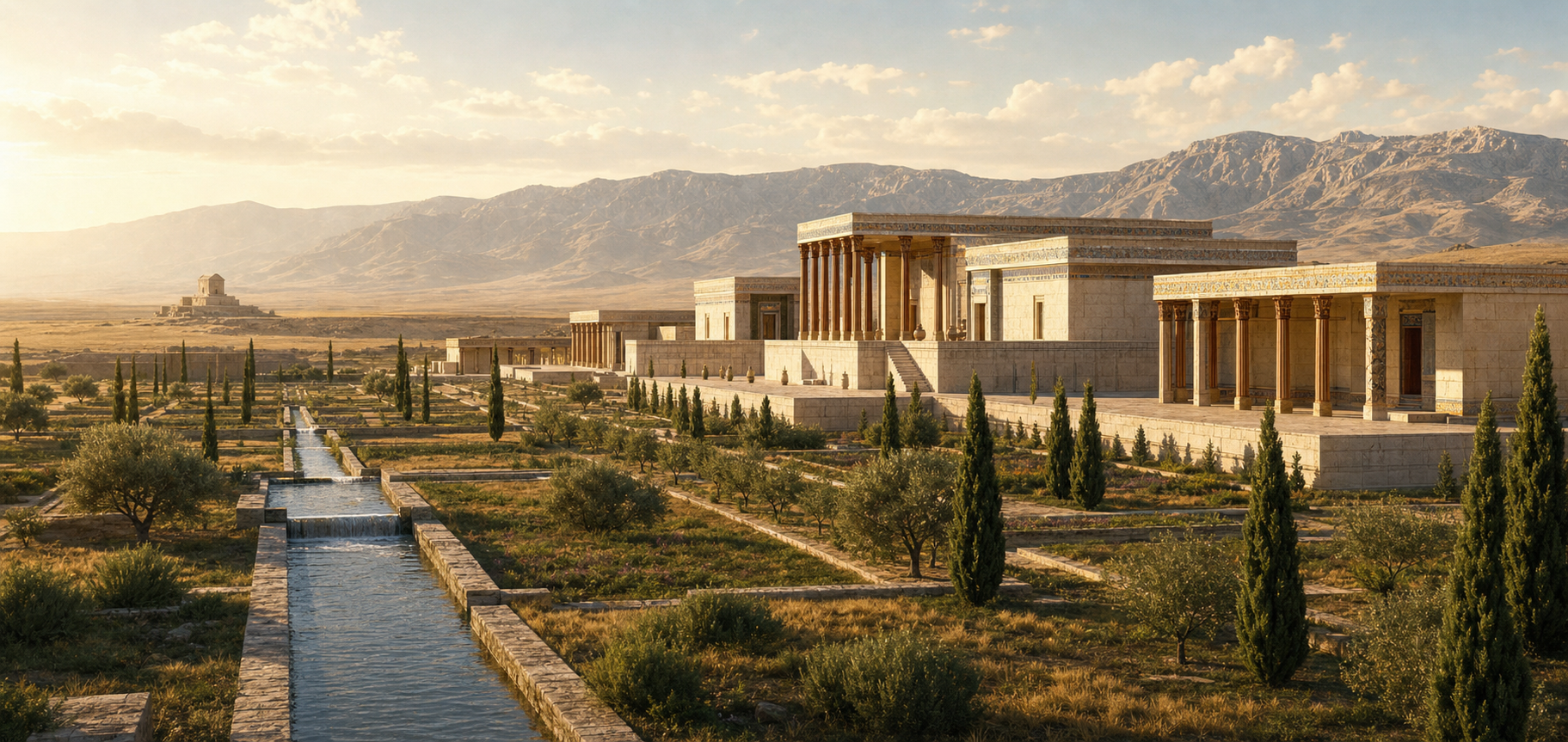
Elis was an ancient Greek city-state located in the western Peloponnese. Although it never achieved the military dominance of Sparta or the imperial influence of Athens, Elis occupied a position of exceptional religious importance as the organiser and guardian of the Olympic Games. Its territory included the sanctuary of Olympia, one of the most sacred sites in the Greek world. Through its administration of the Games and its association with Panhellenic religion, Elis gained prestige and influence far beyond what its size might otherwise suggest.
The history of Elis reflects a distinctive blend of regional politics, religious authority, and cultural leadership. Rather than building an empire through conquest, Elis established its standing through stewardship of one of the most significant institutions in ancient Greece.
Geographic Setting and Territory
Elis was situated in the north-western Peloponnese, bordered by Achaea to the north, Arcadia to the east, and Messenia to the south. Its territory extended to the Ionian Sea, providing access to maritime routes. The land was characterised by fertile plains watered by rivers, making it suitable for agriculture and livestock.
Within its territory lay Olympia, located along the Alpheius River. Though not a city itself, Olympia became the religious and cultural heart of Elis. The Eleans exercised authority over the sanctuary, and this relationship shaped the city’s identity and political standing.
Early History and Political Development
Elis emerged as a recognised polis during the early Archaic period. The region had earlier been inhabited by various communities, but over time the Eleans consolidated control over the territory and established a centralised political structure.
In its early phases, Elis likely experienced aristocratic governance, with political power concentrated among elite families. Over time, however, the city developed institutions that allowed for broader participation among its citizens. Unlike the rigid oligarchy of Sparta, Elis displayed a more moderate political evolution.
The consolidation of Elis’ authority over Olympia strengthened its political unity. Control of the sanctuary brought not only religious prestige but also the responsibility of maintaining order and neutrality during the Olympic festivals.
Elis and the Olympic Games
The most defining feature of Elis was its administration of the Olympic Games. Held every four years at Olympia in honour of Zeus, the Games became the most prestigious athletic festival in the Greek world. The Eleans organised the competitions, enforced the sacred truce, and oversaw the integrity of the event.
The sacred truce ensured safe passage for athletes and spectators travelling to Olympia, even during times of war. This institution elevated Elis into a position of moral and religious authority among Greek states. By acting as neutral guardians of the Games, the Eleans fostered a sense of Panhellenic unity.
The Olympic Games were not merely athletic contests. They were religious ceremonies involving sacrifices, processions, and dedications. Victorious athletes gained immense honour, and their achievements were commemorated in poetry and sculpture. Through its stewardship of these celebrations, Elis became inseparable from one of the central institutions of Greek civilisation.
Religion and Olympia
Olympia was one of the most important sanctuaries in Greece. The Temple of Zeus, constructed in the fifth century BCE, housed a monumental statue of Zeus created by the sculptor Phidias. This statue was later counted among the wonders of the ancient world.
The sanctuary also contained treasuries built by various Greek city-states, reflecting the pan-Greek character of the site. Athletic facilities, altars, and commemorative monuments filled the sacred precinct.
Elis’ role was to maintain and protect this complex. Religious officials from Elis supervised the rituals and competitions. Their responsibility extended beyond administration to the preservation of sacred tradition.
Military and Political Relations
Although Elis sought neutrality in its role as guardian of Olympia, it was not immune to conflict. Throughout its history, Elis engaged in disputes with neighbouring states, particularly Sparta. At times, Spartan intervention threatened Elean independence.
In the fifth and fourth centuries BCE, Elis participated in shifting alliances characteristic of Greek interstate politics. While it occasionally aligned with Sparta, tensions also arose, leading to military confrontation.
Despite these challenges, Elis generally avoided large-scale imperial ambition. Its influence was grounded more in religious prestige than in military power.
Economy and Society
The economy of Elis was based primarily on agriculture. Fertile plains supported the cultivation of grain, olives, and vines, while livestock farming contributed to local wealth. The influx of visitors during the Olympic Games also stimulated economic activity.
Trade and craftsmanship supported the needs of pilgrims and athletes. Artisans produced statues, offerings, and commemorative items associated with the Games. The sanctuary’s wealth, derived from dedications and donations, also played a role in the local economy.
Social life in Elis combined civic participation with religious responsibility. Citizens took pride in their city’s association with Olympia and the honour it brought.
Hellenistic and Roman Periods
During the Hellenistic period, Elis experienced the broader transformations that affected Greek city-states following the rise of Macedon. While political autonomy became more limited, the Olympic Games continued to be celebrated.
Under Roman rule, Olympia retained its prestige, and Roman elites participated in the Games. The sanctuary remained active for centuries, although political authority had shifted away from independent Greek poleis.
Eventually, changes in religious practice and imperial policy led to the decline of the ancient Games. Nevertheless, the historical memory of Elis’ role endured.
Legacy
Elis’ legacy is inseparable from the Olympic Games. Through its administration of the sanctuary at Olympia, Elis contributed to one of the most enduring traditions in world history. The modern Olympic movement, though vastly different in context, traces its symbolic origins to the ancient festivals organised by the Eleans.
Elis demonstrates that influence in the Greek world could arise not only from military conquest or political innovation but also from religious stewardship and cultural leadership. Its guardianship of Olympia gave it a status that transcended regional politics.
Conclusion
Elis was a city-state whose importance lay in its sacred responsibility rather than territorial ambition. Situated in the fertile plains of the western Peloponnese, it became the organiser and protector of the Olympic Games, one of the most celebrated institutions of ancient Greece.
Through religion, ritual, and athletic competition, Elis fostered unity among often-divided Greek states. Its history illustrates the central role of sanctuaries in shaping Greek identity and highlights how a modest polis could achieve lasting fame through dedication to shared cultural ideals.